

Luxury Magic Bean Pendant Lamp: Placement & Light Tips
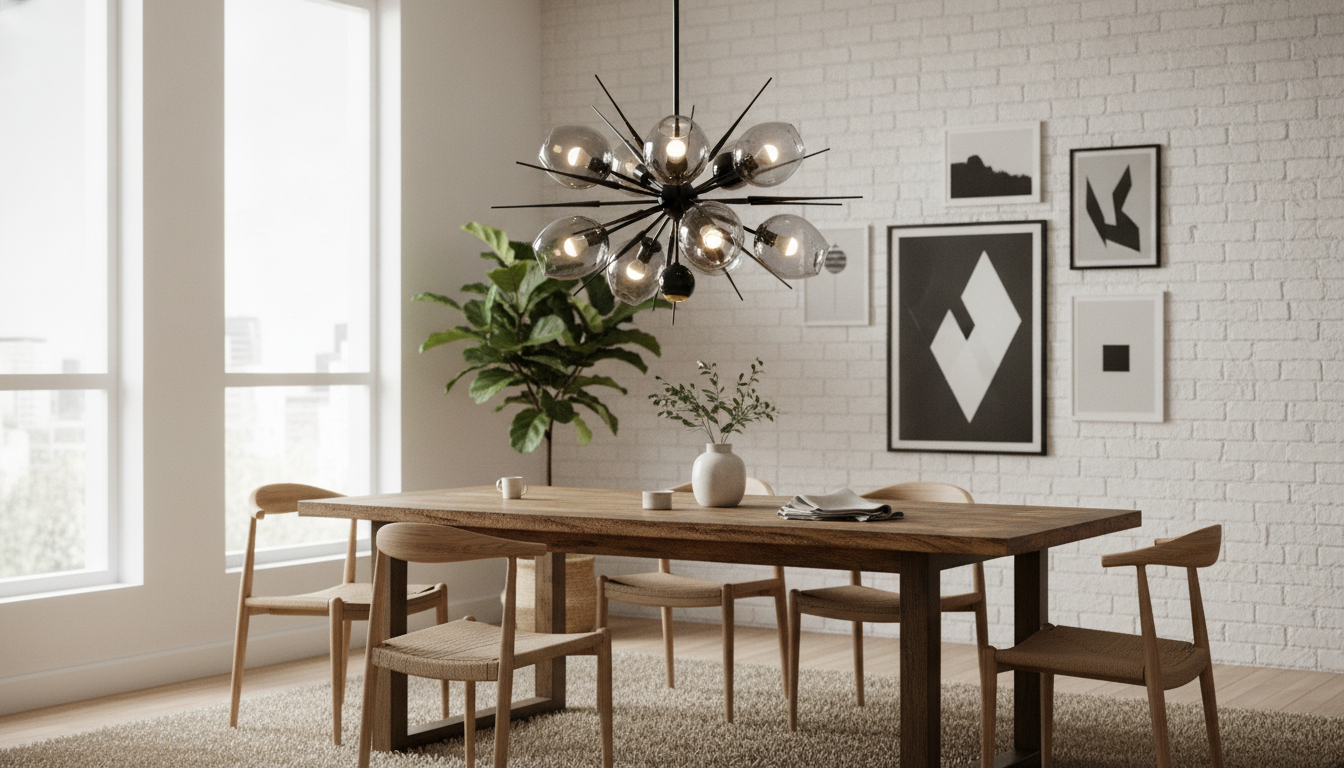
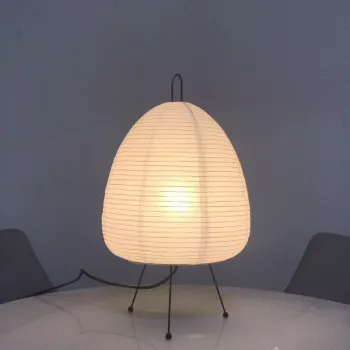
Luxury Magic Bean Pendant Lamp
A sculptural pendant can anchor a room the way a centerpiece anchors a table—by shaping mood, balance, and the way surfaces catch light. The Luxury Magic Bean Pendant Lamp is designed to deliver a refined statement from above, pairing a minimalist silhouette with a premium, gallery-like presence suited to dining areas, kitchen islands, entryways, and bedside nooks. For more guidance, see Nordic Creative Minimalist Bar Study Bedroom Bedside Magic Bean ….
What makes this pendant feel “luxury”
Luxury lighting often looks effortless, even though it’s doing a lot of design work behind the scenes. This pendant leans into a calm, sculptural profile that reads as décor even when it’s switched off—so the room still feels styled in daylight. For further reading, see pendant lamp – Pendant light – 3D model – 3dsky.
- Sculptural profile that reads as décor even when the light is off
- Focused downlight that helps define zones (table, island, reading chair) without flooding the whole room
- Premium look that pairs well with stone, wood, glass, and brushed metal finishes
- Works best when the surrounding palette is simple—allowing the pendant to become the focal point
- Ideal for spaces that need a single, intentional statement rather than multiple competing fixtures
For a truly elevated feel, keep nearby ceiling fixtures understated, and let the pendant be the “main character” above the surface that matters most—your table, your island, or the spot where guests naturally pause.
Where it works best at home
Placement is the difference between a pendant that merely hangs and one that transforms the room. These are the most natural places for a statement pendant to earn its keep.
- Dining table: Hang centered over the table to create an intimate pool of light and elevate place settings
- Kitchen island: Use one statement pendant for a boutique feel, or align multiple fixtures for a more architectural line
- Entryway: Creates an immediate design impression and sets the tone for the rest of the home
- Bedroom: Adds a high-end, hotel-like finish when used as a bedside pendant instead of a table lamp
- Stair landing or hallway: Best in areas where you want visual interest without needing extremely bright task lighting
Placement guide at a glance
| Location | Goal | Tip |
|---|---|---|
| Dining table | Warm focal light | Keep the pendant visually centered and avoid glare at seated eye level |
| Kitchen island | Define the work zone | If using multiples, keep spacing consistent for a clean rhythm |
| Entryway | Make a first impression | Choose a height that maintains clear headroom and sightlines |
| Bedside | Free up nightstand space | Position to light the book area without shining directly into eyes |
| Reading corner | Soft accent lighting | Pair with a floor lamp if stronger task light is needed |
Light quality and ambiance
In high-end interiors, light quality matters as much as the fixture itself. A pendant can look stunning but still feel “off” if the bulb choice creates harsh glare, odd shadows, or mismatched color across the room.
- For a cozy, upscale mood, use a warm color temperature (often around the warm-white range) to flatter wood and skin tones
- For kitchens or multi-purpose areas, a neutral white can feel cleaner while still being comfortable
- Dimming is the easiest way to shift from functional light to evening ambiance—confirm bulb and switch compatibility before installation
- Consider beam direction: a downward-focused pendant highlights surfaces; a more diffused bulb softens shadows
- Avoid overly high brightness if the fixture is in direct view; glare control matters as much as lumen output in luxury spaces
If you’re selecting efficient bulbs or comparing output, ENERGY STAR provides a practical overview of modern light bulb options and performance considerations: https://www.energystar.gov/products/lighting_fans/light_bulbs. For deeper lighting best practices, the Illuminating Engineering Society (IES) is a respected industry resource: https://www.ies.org/.
Choosing the right size and hanging height
Quick specifications checklist
| Feature | What to confirm before buying | Why it matters |
|---|---|---|
| Overall dimensions | Fixture width/height and visual bulk | Ensures the pendant fits the room and doesn’t overpower the space |
| Drop length | Adjustable hanging range | Helps achieve the right height over tables, islands, or open areas |
| Bulb base/type | Compatible bulb format and wattage limits | Determines brightness options and replacement convenience |
| Dimmability | Fixture + bulb + switch compatibility | Controls mood and prevents flicker issues |
| Ceiling type | Flat/sloped compatibility and mounting method | Prevents installation surprises |
| Finish care | Cleaning method and resistance to fingerprints | Maintains the “new” look in high-touch spaces |
Installation notes for a clean, high-end result
For general background on safety certifications and why they matter for lighting, UL Solutions offers a clear overview: https://www.ul.com/.
Care, cleaning, and long-term maintenance
Shop coordinated picks
- Luxury Magic Bean Pendant Lamp
- The Clear-Mind Decision Maker | Printable Mindfulness Checklist for Clarity & Calm Choices
- Calvin Klein Men’s Pochette & Grooming Bag
FAQ
Can this pendant be used with a dimmer switch?
Yes, as long as three parts match: the fixture’s dimming rating, a dimmable bulb, and the correct dimmer type for that bulb (especially with LEDs). If you notice flicker, switching to an LED-compatible dimmer and a known-dimmable bulb usually resolves it.
What bulb color temperature looks best for a luxury pendant?
Warm white is a go-to for dining rooms and bedrooms because it feels intimate and flattering, while neutral white often suits kitchens and multi-purpose spaces for a cleaner look. Keeping nearby fixtures at the same color temperature makes the lighting plan feel more intentional.
How high should a pendant hang over a dining table or kitchen island?
Hang it high enough to preserve clear sightlines and low enough to throw useful light onto the surface without glare. A simple method is to mock the drop with painter’s tape, then adjust based on ceiling height, seating position, and where your eyes naturally land.












Leave a comment