

Microcurrent Sleep Aid for Insomnia & Anxiety: How to Use

Microcurrent Intelligent Sleep Aid Device for Insomnia and Anxiety Relief
Difficulty falling asleep can feel like a nightly loop—racing thoughts, tension, and light sleep that leaves mornings groggy. A microcurrent intelligent sleep aid device is a compact, non-drug option designed to support relaxation through gentle electrical stimulation, helping build a calmer wind-down routine when insomnia and stress-related restlessness show up.
What a microcurrent sleep aid device is (and what it isn’t)
A microcurrent sleep aid device uses low-level electrical stimulation (“microcurrent”) intended to encourage a relaxation response and ease physical tension. The sensation is usually subtle—more like a mild tingling or soft pulsing than anything intense—and the goal is comfort. Intensity should remain pleasant and never painful.
These devices are best viewed as a routine tool rather than a “quick fix.” They’re designed to complement healthy sleep habits (consistent bedtime, reduced late-night screen exposure, and a calm bedroom environment). Individual results vary based on sensitivity, how consistently it’s used, and what’s driving the sleep disruption.
It’s also important to set realistic expectations: microcurrent stimulation isn’t a cure for insomnia disorders. If sleep issues are persistent, if panic symptoms are present, or if severe anxiety is interfering with daily life, a qualified clinician can help identify underlying causes and treatment options.
How microcurrent stimulation may support relaxation
When bedtime becomes a mental treadmill, gentle stimulation can help shift attention away from rumination and toward a more body-based sense of calm. For some people, this makes it easier to stop “checking” whether they’re falling asleep and simply settle into the wind-down process.
Depending on how the device is worn or placed, microcurrent stimulation may encourage relaxation around common tension areas (such as the jaw, temples, and the neck/shoulders). It can also function as a consistent pre-sleep cue: repeating the same steps nightly conditions the brain to recognize that it’s time to power down.
This approach often pairs well with evidence-supported relaxation strategies like breathwork and progressive muscle relaxation. For more ideas on calming techniques, the National Center for Complementary and Integrative Health provides a helpful overview of relaxation methods at NCCIH — Relaxation Techniques for Health.
Key features to look for in an intelligent sleep aid device
The best device is the one that feels easy to use when you’re tired. Prioritize comfort-first design: lightweight construction, skin-friendly contact points, and a secure fit that doesn’t create pressure or force you to keep readjusting.
Controls matter more than they seem. Simple mode switching and gentle intensity adjustments that can be done in low light help you stay relaxed rather than “troubleshooting” at bedtime. A timed session or automatic shutoff is also useful—both to prevent overuse and to keep your routine consistent.
Finally, aim for quiet operation. Loud beeps or bright indicator lights can become a sleep disruptor, especially if you’re sensitive to sound or light.
Quick checklist: device fit, comfort, and bedtime usability
| What to check | Why it matters at bedtime | What “good” looks like |
|---|---|---|
| Fit and contact | Poor contact can cause inconsistent sensation or frequent readjustment | Stable contact without pinching or slipping |
| Intensity range | Overly strong stimulation can feel distracting | Multiple gentle levels; comfortable at the lowest effective setting |
| Session timer | Reduces the temptation to keep adjusting settings | Auto shutoff within a typical wind-down window |
| Light/sound cues | Bright LEDs or tones can delay sleep onset | Minimal light; silent or very subtle cues |
| Ease of cleaning | Skin oils can affect contact and comfort over time | Simple wipe-down care between uses |
How to use it as part of a calming wind-down routine
Timing is a big part of getting value from microcurrent stimulation. Start about 30–60 minutes before sleep, when you can dim the lights, lower stimulation (mentally and physically), and let the session become part of a predictable “landing sequence.”
To judge usefulness, track a simple outcome for 1–2 weeks: time-to-sleep, nighttime awakenings, and morning grogginess. If you want a deeper look at insomnia basics and when to seek help, review NHLBI — Insomnia and the CDC’s sleep resources at CDC — Sleep and Sleep Disorders.
Safety notes and who should avoid microcurrent devices
Ways to improve results without adding complexity
When this type of sleep aid can be a good fit (and when to choose another approach)
Product spotlight: Microcurrent Intelligent Sleep Aid Device for Insomnia and Anxiety Relief
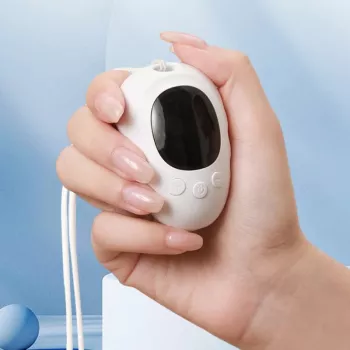
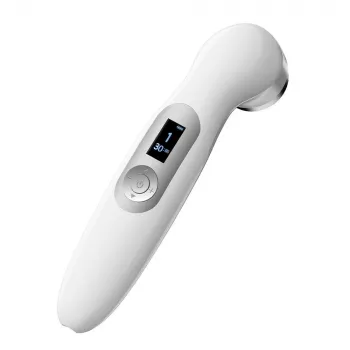
If you’re looking for an affordable, low-commitment way to experiment with microcurrent-based relaxation, consider the Microcurrent Intelligent Sleep Aid Device for Insomnia and Anxiety Relief. It’s best evaluated with consistent use over several nights rather than a single session—especially if your sleep difficulties are tied to stress patterns that take time to unwind.
To reduce overthinking and improve bedtime follow-through, pair it with a simple mental reset tool like The Clear-Mind Decision Maker printable mindfulness checklist. A short, repeatable checklist can help you end the day with fewer open mental tabs.
FAQ
How quickly can a microcurrent sleep aid device work?
Some people notice relaxation during the first few sessions, while others need 1–2 weeks of consistent nightly use to see meaningful changes. Tracking time-to-sleep and nighttime awakenings for a week or two helps you judge what’s actually improving.
Is microcurrent stimulation safe for anxiety-related insomnia?
It’s generally intended to be gentle, but safety depends on individual health factors. Avoid use with implanted devices (like pacemakers), and get medical guidance if you’re pregnant, have a seizure disorder, or have heart rhythm concerns; stop use if skin irritation or discomfort occurs.
Can it be used every night?
Many people use it nightly as part of a wind-down routine if it remains comfortable and they follow the device instructions. Stick to the lowest effective intensity and discontinue if you experience pain, burning, or persistent irritation.











Leave a comment