

Mini Fascia Gun Guide: Portable Deep Tissue Recovery
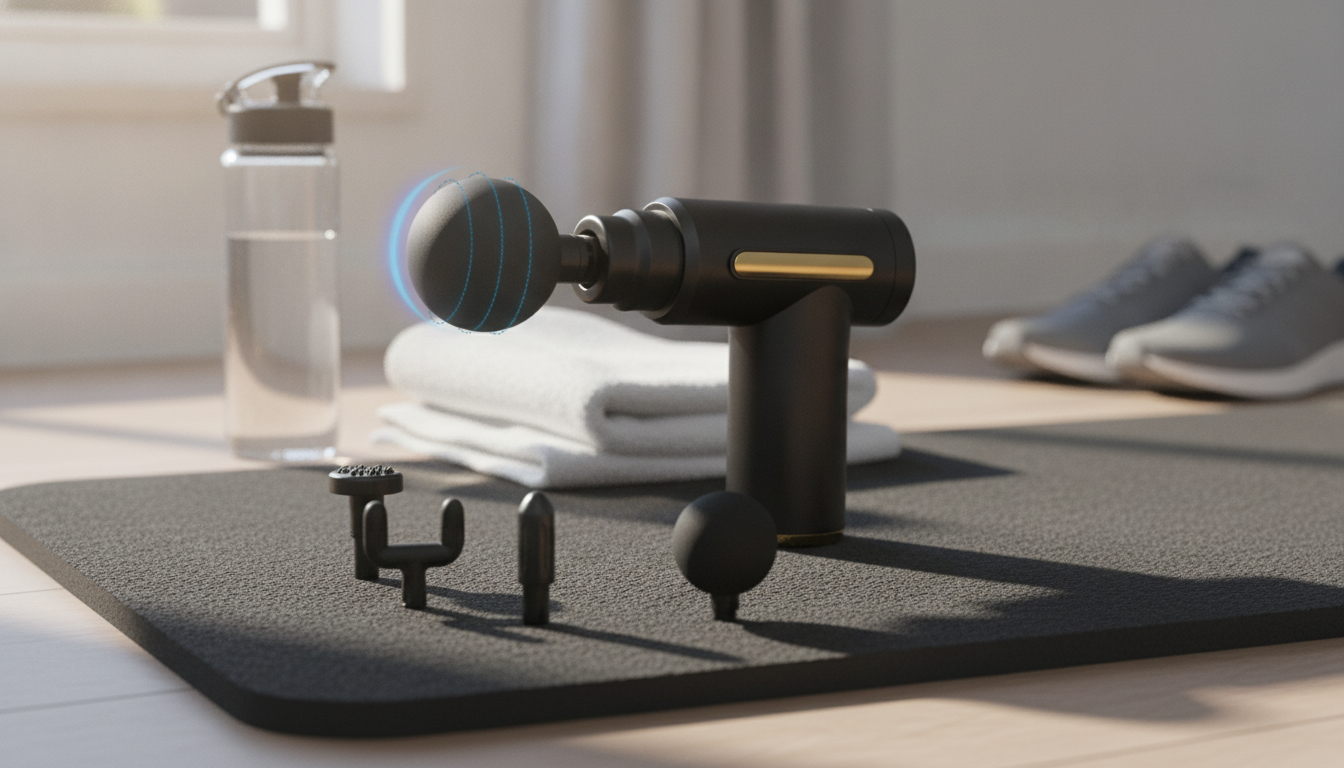
Mini Fascia Gun for Deep Tissue Relief: A Practical Guide to Daily Recovery
A compact percussion massager can be a simple way to ease post-workout tightness, improve short-term range of motion, and support recovery routines at home, at the gym, or while traveling. Mini devices are especially convenient for quick “reset” sessions after training, long days at a desk, or flights that leave hips and calves feeling stiff. Below is a practical guide to how a mini fascia gun works, when it’s most helpful, and how to use it safely for comfortable, consistent results.
What a mini fascia gun does (and what it doesn’t)
A mini fascia gun uses rapid, small-amplitude pulses (percussion) to stimulate muscles and surrounding soft tissue. The sensation is often described as a “tapping” or “pulsing” pressure that can make tight areas feel looser and less guarded, especially when used for short bouts.
- Commonly used for warm-ups, post-exercise soreness, and day-to-day stiffness from sitting or repetitive work.
- May support short-term flexibility and comfort when paired with light movement or stretching.
- Not a replacement for medical care, physical therapy, or a diagnosis when pain is persistent, worsening, or unexplained.
- Best results typically come from brief, regular sessions—not maximum pressure for long periods.
For general context on massage and recovery, you can review overviews from the Cleveland Clinic and educational guidance from the National Center for Complementary and Integrative Health (NCCIH).
When it’s most useful
Mini fascia guns shine when you want a fast, targeted routine without setting up a full recovery session. Their biggest advantage is consistency: if it’s easy to keep in a bag, it’s easier to use regularly.
- After workouts: Helps reduce the “locked up” feeling in worked muscles and supports a wind-down routine.
- Before training: Can “wake up” a target muscle group as part of a warm-up (think calves before a run or quads before leg day).
- Desk and travel tension: Common hotspots include neck/upper back, forearms, hips, calves, and feet—used carefully and lightly.
- Light mobility work: Works well right before gentle stretching and slow breathing to encourage relaxation.
How to use it safely and effectively
Good technique is less about force and more about patience. The goal is to let the device do the work while you stay relaxed and keep the head moving over the muscle.
- Start low, build slowly: Begin on the lowest setting and increase gradually only if it feels comfortable.
- Use slow passes: Glide over the muscle belly; pause briefly on a tight spot, then move on.
- Timing that fits real life: About 30–60 seconds per area is plenty for most people; total session 5–10 minutes.
- Avoid bones and joints: Work around knees, elbows, ankles, the front of the neck, and directly on the spine.
- Know when to stop: Sharp pain, tingling/numbness, or worsening symptoms are signals to stop. Persistent issues deserve clinical guidance.
Quick use guide by body area
| Area | Pressure | Time per side | Notes |
|---|---|---|---|
| Calves | Light–medium | 45–60 sec | Avoid Achilles tendon; keep the head on the muscle belly |
| Quads | Medium | 45–90 sec | Use slow strokes; don’t press into the kneecap area |
| Glutes | Medium | 60–90 sec | Helpful for post-sitting tightness; avoid direct pressure on bony points |
| Upper back (traps) | Light | 30–45 sec | Stay off the spine; keep pressure gentle |
| Forearms | Light | 30–45 sec | Useful for gripping sports/typing; avoid wrist bones |
Fascia, tightness, and “knots”: what to expect
“Tightness” is rarely caused by one single factor. Fascia and muscle tissues can feel stiff or tender due to training load, stress, sleep quality, hydration, and repetitive movement. Percussion can temporarily reduce perceived tightness and discomfort, and many people notice a short-term improvement in how freely a joint moves right after use.
Mini vs full-size: why portability can matter
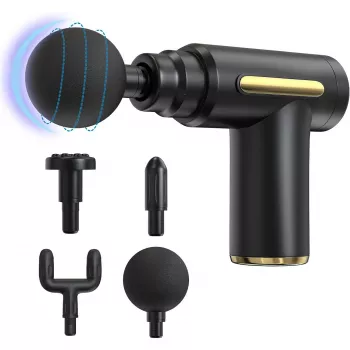
Product option: Mini Fascia Gun Portable Deep Tissue Massage Gun
If you want a budget-friendly way to start a percussion routine, the Mini Fascia Gun Portable Deep Tissue Massage Gun is a compact, travel-friendly pick designed for quick muscle relief sessions. It’s well-suited for common areas like calves, quads, glutes, upper back (avoiding the spine), and forearms—especially when used with light-to-moderate pressure and short, consistent sessions.
At-a-glance
| Item | Price | Availability | Link |
|---|---|---|---|
| Mini Fascia Gun Portable Deep Tissue Massage Gun | $17.97 | In stock | View product |
Helpful add-ons for a consistent recovery routine
- Calvin Klein Men’s Pochette & Grooming Bag: A compact organizer for a gym bag or carry-on so recovery essentials don’t get lost.
- The Clear-Mind Decision Maker | Printable Mindfulness Checklist: A simple tool for building a calmer post-training or end-of-day reset (especially when stress contributes to muscle tension).
Care, charging, and daily routine tips
FAQ
Can you use a massage gun for fascia blasting?
Percussion massage isn’t the same as manual fascia blasting tools, but it can help temporarily reduce the feeling of tightness and improve comfort. Keep pressure light to moderate, use short durations, and focus on consistent technique instead of trying to “force” results.
What are the best fascia gun brands?
The best choice depends on comfort in your hand, speed control, attachments that match your needs, noise level, battery life, warranty, and a reasonable return policy. A well-built device used safely and consistently is usually more beneficial than chasing the highest power.
Can a fascia gun break up scar tissue?
Scar remodeling is complex, and a massage gun won’t reliably “break up” scar tissue in a guaranteed way. It may help manage surrounding muscle tightness or sensitivity, but post-surgical or injury-related concerns are best handled with guidance from a clinician.











Leave a comment