

Noise‑Proof Meditation: 7 Steps to Stay Calm Anywhere
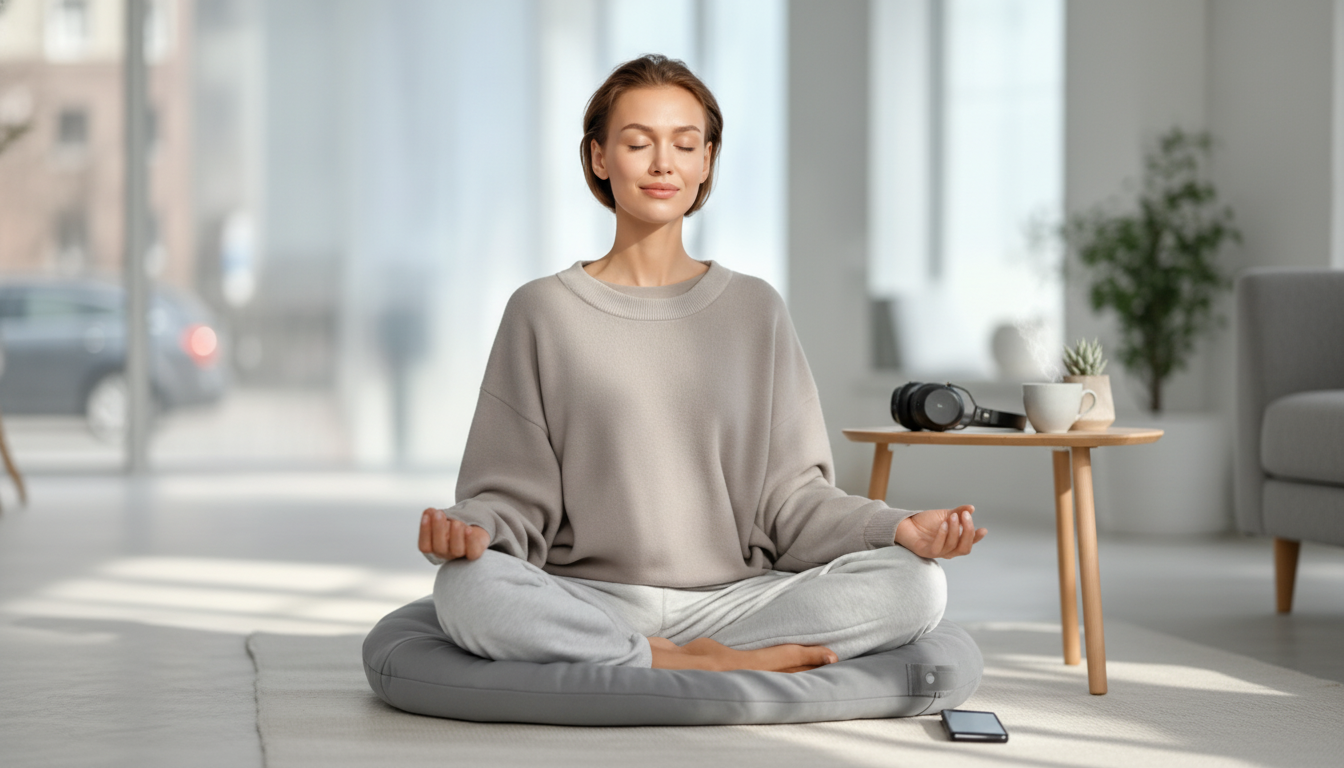
A Real-World Guide to Noise‑Proof Meditation That Works Anywhere
Meditation doesn’t require silence, perfect posture, or a long time block. With a few practical steps, everyday noise can become part of the practice instead of a barrier. This guide lays out a simple, repeatable approach for relaxing the body and steadying attention in busy places—plus a checklist-style routine that fits into commutes, workplaces, waiting rooms, and home life.
What “noise‑proof” meditation actually means
Noise-proof meditation isn’t about blocking sound; it’s about training attention to relate to sound without getting pulled into it. The environment can stay imperfect while the nervous system settles.
- Noise-proof doesn’t mean silent. It means sounds can be present without becoming a problem to solve.
- The aim is regulation, not perfection. A calmer body and clearer awareness are achievable even with conversations, traffic, or household chaos nearby.
- Meditation isn’t “emptying the mind.” A more workable goal is noticing thoughts, sounds, and sensations without chasing them.
For a research-grounded overview of how mindfulness supports stress reduction, see the American Psychological Association’s mindfulness resource. Practical benefits are also summarized by Mayo Clinic.
Set up for success in 30 seconds (anywhere)
Consistency usually beats duration. A short practice that actually happens can reset the day faster than a long sit that never starts.
- Pick a doable duration: 1–3 minutes is enough to reset; longer sits can come later.
- Choose a stable posture: feet on floor, hands resting, jaw unclenched; keep the spine supported rather than rigid.
- Use a soft gaze or closed eyes (if safe): in public, a lowered gaze often feels more comfortable.
- Decide on an anchor before starting: breath at the nostrils, rise/fall of the belly, contact points, or ambient sound.
Quick setup options by situation
| Situation | Posture cue | Anchor that tends to work well |
|---|---|---|
| Commute (bus/train) | Feet planted, shoulders drop on exhale | Contact points + slow exhale |
| Office/desk | Sit back, hands on thighs, soften gaze | Breath at belly + jaw relaxation |
| Waiting room/line | Weight evenly distributed, micro-bend knees | Feet sensations + counting exhales |
| Home with family noise | Supported seat, long exhale | Sound-as-anchor + returning to breath |
The 7-step “relax in place” routine
This is designed for real-world conditions: interruptions, noise, and limited time. Each step is small on purpose.
- Step 1 — Arrive: notice one thing seen, one thing heard, and one body sensation to shift from autopilot to awareness.
- Step 2 — Exhale longer: take 3–5 rounds of slightly longer exhales to encourage downshifting.
- Step 3 — Soften the face: relax forehead, eyes, tongue, and jaw; this often reduces the feeling of being “on edge.”
- Step 4 — Scan contact points: feel feet, seat, or back support; let the body be held instead of held up.
- Step 5 — Choose the anchor: commit to one anchor for the next minute; simplicity beats variety.
- Step 6 — Work with distractions: label gently (“sound,” “thinking,” “planning”) and return to the anchor without scolding.
- Step 7 — Close intentionally: one deeper breath, then reorient to the room; move slowly for 5–10 seconds before standing.
If you want the routine in a checklist format that’s easy to follow on a phone, Noise‑Proof Meditation to Relax in 7 Steps (digital download eBook + mindfulness checklist) lays it out step-by-step for busy settings.
How to use noise instead of fighting it
Noise becomes less disruptive when it’s treated as a sensation—like temperature or wind—instead of a personal obstacle.
- Treat sound like weather: present, changing, and not personal.
- Try “sound noting”: name categories (voice, hum, footsteps) without following the story of them.
- Alternate anchors when needed: if breath feels tight, switch to contact points; if restlessness rises, switch to counting exhales.
- Use micro-practices: 3 mindful breaths at a red light, one relaxed exhale before a meeting starts, a 60-second reset after a tense message.
A simple mindfulness checklist for busy days
For an evidence-based look at mindfulness and safety considerations, the NCCIH overview is a solid reference.
Common sticking points and quick fixes
Digital download guide for step-by-step practice
- Look for clear steps, practical examples for noisy settings, and a checklist format that’s easy to follow on a phone.
- Product option: A Real-World Guide to Meditation That Works Anywhere | Noise-Proof Meditation to Relax in 7 Steps | Digital Download eBook, Mindfulness Checklist & Guide.
Small tools that support a calmer routine (optional)
- Make a quick tea moment a cue: store tea where you’ll see it, then take one long exhale while the water heats. A simple container can help keep the cue visible, like the Elegant Cork Stopper Glass Storage Jar – Transparent Food & Tea Container.
- Practice mindful stirring or serving: one slow breath while lifting, pouring, or setting something down can become a repeatable “reset.” If you enjoy kitchen rituals, the Beautiful Stainless Steel Shell Spoon – Elegant Kitchen Ladle Set fits neatly into that routine.
- Use baking as a sensory anchor: feeling pressure, texture, and steady movement can train attention in a grounded way. The Stainless Steel Non-Stick Rolling Pin Set for Baking & Kitchen Use can support a simple “one-task, one-breath” approach.
FAQ
How long should a noise-proof meditation session be?
For quick resets, 1–3 minutes is enough to settle the body. For deeper calm, 5–10 minutes works well, especially when you use slightly longer exhales to downshift faster.
Is it okay to meditate with eyes open in public?
Yes. A lowered, soft gaze is often the most comfortable and safe option, while you keep attention on breath or contact points and allow sounds to come and go.
What if noise or interruptions keep breaking concentration?
Use interruptions as practice cues: label what happened (“sound,” “thinking”) and return to your anchor. If breathing feels strained, switch the anchor to contact points like feet on the floor or your back against the chair.














Leave a comment