

Soft Cotton Face Towels: Care Tips for Sensitive Skin

Soft Cotton Face Towels: Gentle Care for Daily Cleansing
Soft cotton face towels help remove water and cleanser residue while staying gentle on sensitive facial skin. The right towel should feel plush, absorb quickly without rubbing, and hold up to frequent washing—especially when used for skincare, makeup removal, and post-shave care. When a towel is truly soft and absorbent, it supports a simple goal: dry the skin efficiently with minimal friction, so your routine stays comfortable day after day. For more guidance, see A fresh face towel every time you wash your face because you don’t ….
What Makes a Face Towel Feel Truly Soft
“Soft” can mean different things depending on the fiber, weave, and even how the towel is finished. If a towel feels great in your hand but turns scratchy after a few washes, it’s often a material or care issue—not just “bad luck.”
- Fiber quality matters: Longer, smoother cotton fibers typically feel less scratchy against delicate facial skin and can maintain a more consistent feel over time.
- Loop construction affects plushness: A denser, evenly looped terry surface tends to feel softer and more cushioned, especially when you’re patting dry around the nose and under-eye area.
- Finishing and dyes can change feel: Low-residue finishes and gentle dyes help towels stay soft after laundering, while heavy residues can leave fibers stiff or “coated.”
- Thickness isn’t everything: Some towels feel bulky but don’t absorb well; softness should pair with efficient absorbency so you don’t have to press hard or rub.
Why Cotton Works Well for Facial Skin
Cotton has a long track record in daily skin contact items because it balances comfort, absorbency, and easy care. For face towels, that combination matters more than flashy textures or ultra-tight weaves that can feel “grabby” on skin.
- Comfort for everyday use: Cotton’s natural softness can be kinder to skin than rougher or overly textured fabrics.
- Absorbency for quick drying: Better absorbency reduces the need to rub, which can be helpful for irritation-prone skin.
- Breathability: Cotton fibers allow airflow, helping towels dry out between uses when properly hung.
- Versatility: Suitable for post-cleansing pat-dry, warm compresses, or wiping away a mask or shaving cream.
Common Face Towel Materials at a Glance
| Material | Feel on skin | Absorbency | Best use | Watch-outs |
|---|---|---|---|---|
| Cotton terry | Plush, cushioned | High | Daily pat-dry, cleansing cleanup | Can feel rough if low quality or washed with too much detergent |
| Cotton muslin | Smooth, light | Medium | Gentle wipe, travel | Less plush; may need multiple layers for heavy water |
| Bamboo/rayon blends | Very smooth | High | Soft touch for sensitive skin | Care varies; may pill if washed harshly |
| Microfiber | Very grabby texture | High | Makeup removal | Can feel abrasive; may snag on dry or compromised skin |
How to Use Face Towels Without Irritating Skin
Even the softest towel can feel uncomfortable if it’s used with too much pressure or reused while damp. A few small habit changes can make a noticeable difference, especially for easily reddened or acne-prone skin.
- Pat, don’t rub: Press the towel lightly to absorb water rather than dragging across the face. This supports a gentler routine and helps keep skin feeling calm.
- Use a dedicated towel: Keep a separate set strictly for the face to reduce transfer of body oils, fragrance residue, and hair products.
- Swap frequently: Daily replacement is ideal for acne-prone or sensitive skin; otherwise replace every 2–3 uses if fully dried between uses.
- Keep nails and rough edges away: Snags can create a scratchy feel and fray loops over time, which can make a towel feel harsher against the skin.
For extra comfort after cleansing, many dermatology recommendations for dry skin focus on minimizing irritation and avoiding over-aggressive friction. Practical habits like gentle drying pair well with broader skin-care guidance from the American Academy of Dermatology Association.
Care Tips to Keep Cotton Towels Soft and Fresh
For hygiene-focused laundering basics—including steps that help reduce odors and keep textiles clean—the CDC’s laundry guidance is a useful reference for everyday routines.
Choosing the Right Size and Quantity for a Routine
Suggested Face Towel Rotation
| Routine type | Recommended towels per person | Why it works |
|---|---|---|
| Minimal (1 cleanse/day) | 4–6 | Allows frequent swaps and time to dry fully between uses |
| Skincare-focused (AM + PM) | 7–10 | Supports daily changes and reduces the temptation to reuse damp towels |
| Shared bathroom/guests | 10–14 | Prevents mix-ups and keeps a clean towel available |
Soft Cotton Face Towels for Everyday Comfort
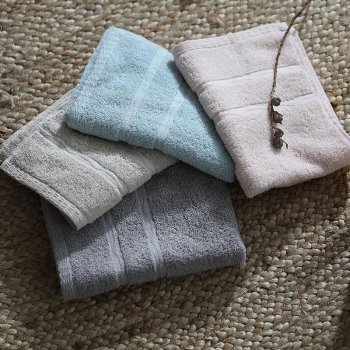
If your routine includes cleansing, makeup removal, or shaving, a gentle towel can make the finish feel cleaner and calmer—without the roughness that encourages over-rubbing. Soft Cotton Face Towels are designed for comfortable pat-drying after cleansing, rinsing, or shaving and fit neatly into a dedicated face-towel rotation.
For a tidier counter and a more organized routine, a small container can help keep fresh towels or skincare accessories separated from everyday clutter. The Elegant Cork Stopper Glass Storage Jar works well for storing folded face towels, reusable rounds, or cotton pads so they stay clean and easy to grab.
FAQ
How often should face towels be washed?
Daily changes are ideal for acne-prone or sensitive skin. Otherwise, swapping every 2–3 uses can be reasonable if the towel dries completely between uses and is never reused while damp.
Do fabric softeners make cotton face towels less absorbent?
Yes, fabric softeners can coat cotton fibers and reduce absorbency, which can make you press harder or rub more. If softness is the goal, use less (or avoid it on face towels) and focus on thorough rinsing to limit residue.
Are cotton face towels safe for sensitive or eczema-prone skin?
Many people tolerate soft cotton well, especially when they pat dry instead of rubbing and use a clean, dedicated towel. If irritation occurs or flares persist, stop using the towel and consider guidance from a dermatologist.













Leave a comment