

8-Blade Apple Slicer & Corer: Stainless, Non-Slip Grip
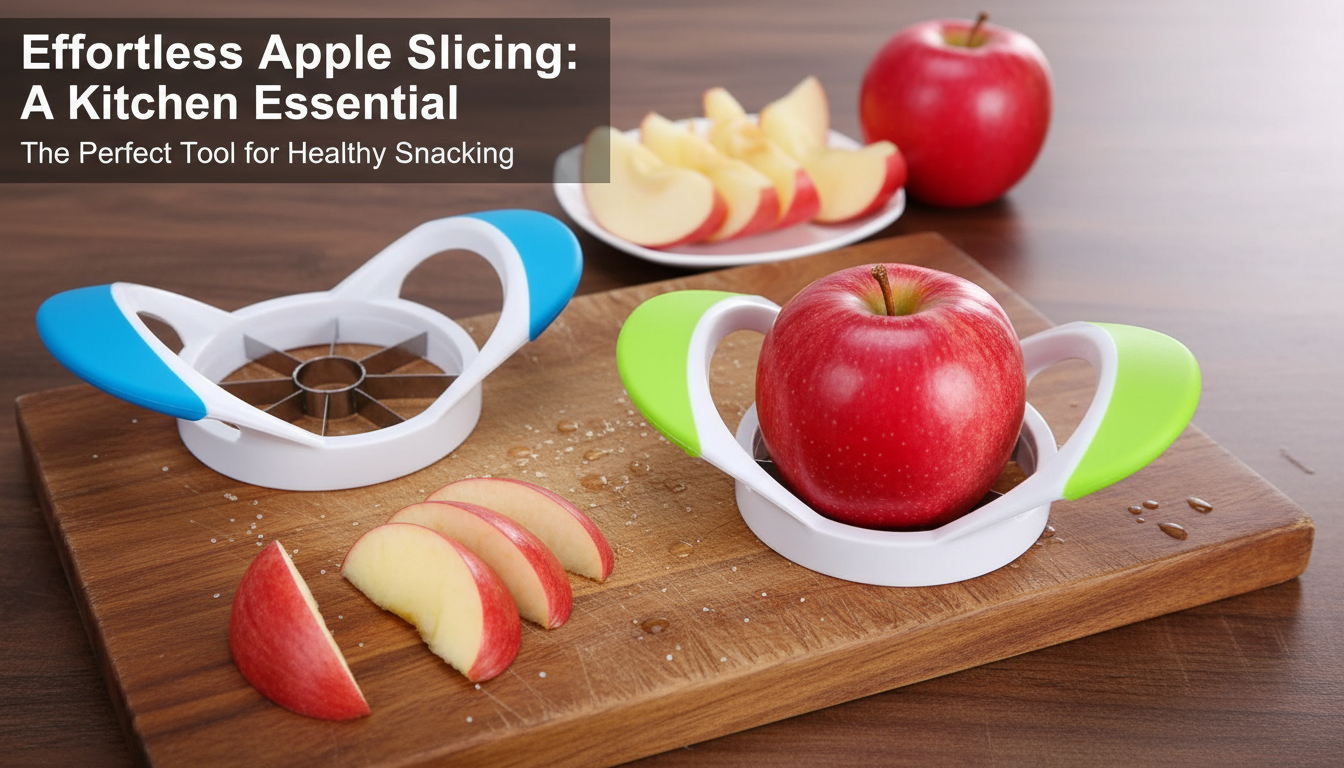
Stainless Steel 8-Blade Apple Slicer and Corer with Non-Slip Handle: Fast, Even Slices in One Press
A sturdy apple slicer and corer turns snack prep, baking, and lunch packing into a quick, repeatable step. Instead of measuring slice thickness by eye and navigating slippery peels with a knife, an 8-blade press delivers uniform wedges while separating the core at the same time. The result is less mess on the cutting board, fewer uneven pieces, and a smoother workflow when you need apples prepped fast.
What This Tool Does (and Why It Saves Time)
An 8-blade apple slicer and corer is designed to do two tasks at once: divide the fruit into wedges and remove the seed core in a single downward press. That one-step action matters when you’re prepping multiple apples for a pie, slicing fruit for kids’ lunches, or making a platter where consistency looks (and eats) better.
- Cuts an apple into 8 even wedges while removing the core in one press.
- Keeps slice sizes consistent for pies, dehydrating, lunch boxes, and fruit boards.
- Reduces knife work and keeps hands farther from the cutting edge during prep.
- Works best on apples and similar firm fruits; results vary by size and ripeness.
For nutrition details on apples, the USDA FoodData Central is a reliable reference for raw apples with skin.
Design Highlights to Look For
Not all slicers press the same. Small design choices—blade thickness, handle grip, and how level the frame sits—affect whether you get clean cuts or crushed fruit.
- Stainless steel blades help the tool hold its shape and slice cleanly through firm apples without bending.
- Non-slip handle surfaces add control, especially if hands are damp from rinsing fruit.
- 8-blade layout creates classic wedge portions that work for snacking, salads, and baking.
- Defined coring ring separates seeds and the fibrous center in the same motion.
- Stable frame geometry helps the slicer sit level on the apple, reducing uneven wedges.
Quick Specs at a Glance
Use the overview below to compare what matters most for everyday prep: blade durability, wedge count, grip, and how reliably the core pops out.
| Feature | What to expect | Why it matters |
|---|---|---|
| Blade material | Stainless steel | Holds shape and helps produce cleaner cuts through firm flesh |
| Blade count | 8 wedges | Balanced portion size for snacks, salads, pies, and dehydrating |
| Handle | Non-slip grip | More stable press; reduces twisting and slipping |
| Core removal | Center corer ring | Separates seeds and fibrous center in the same motion |
| Typical use | Apples and similar firm fruits | Best results when fruit fits within the blade diameter |
How to Use It for Clean, Even Wedges
A clean press depends on two things: proper centering and a straight downward motion. These small steps help prevent half-cut peels and jagged wedges.
- Place the apple stem-side up on a stable cutting board; a damp towel under the board helps prevent sliding.
- Center the corer ring over the stem/core line so blades pass evenly around the core.
- Press straight down with both hands on the handles; avoid rocking to prevent uneven slices.
- If the peel is tough or the apple is very large, start with a firm initial press, then continue steadily.
- Lift the slicer and remove wedges; push the core piece out from the underside if it sticks.
If you want a dedicated tool for this job, the Stainless Steel 8-Blade Apple Slicer and Corer with Non-Slip Handle is a straightforward option for repeatable, even wedges.
Safety and Comfort Tips
Because the blades are exposed, safe handling is mostly about where your fingers are and how stable the cutting surface is.
- Keep fingertips above the handle line—never near the blade frame while pressing.
- Use a flat, non-slip surface; instability is a common reason for slips and uneven cuts.
- For very hard apples, warm them slightly at room temperature or microwave for 5–10 seconds to reduce force needed (avoid softening too much).
- If cutting for kids, consider trimming wedge tips after slicing for gentler edges.
Cleaning and Care for Stainless Steel Blades
Stainless steel is durable, but apple pulp can dry between blades if it’s left too long. Quick rinsing keeps cleanup easy and helps the tool look newer over time.
- Rinse immediately after use to prevent pulp from drying between blades.
- Use a dish brush from the center outward to avoid pushing bristles directly into sharp edges.
- Dry thoroughly to reduce water spotting and keep the finish looking clean.
- Store with blades facing down or in a spot where the edges won’t knock against other metal tools.
For pre-cut apples, refrigerate promptly and store in a sealed container to maintain freshness. The FDA guidance on refrigeration and food safety is a helpful baseline for safe storage habits.
If you like keeping snack components organized, the Modern Glass Storage Jar with Golden Butterfly – Elegant Home Decor can be used to hold napkins, picks, or small dry add-ins (like cinnamon packets or nut toppings) alongside prepped fruit.
Best Uses Beyond Simple Snacking
Uniform wedges aren’t just a convenience—they can improve how food looks and cooks. When pieces match, baking is more even and presentations are cleaner.
Common Fit Issues and How to Solve Them
FAQ
Will an 8-blade slicer work on large apples?
It works best when the apple fits within the blade circle. If the apple is oversized, slice it in half first and press each half carefully for a cleaner result.
How is the non-slip handle helpful during slicing?
A non-slip grip improves control during the downward press, especially with wet hands. That extra stability helps the blades track straight so wedges come out more even.
What’s the safest way to clean between the blades?
Rinse right after use, then clean with a brush moving from the center outward while keeping fingers away from the edges. Dry thoroughly before storing to reduce spotting.













Leave a comment