

Stainless Steel Rolling Pin Set: Smooth, Low-Stick Baking
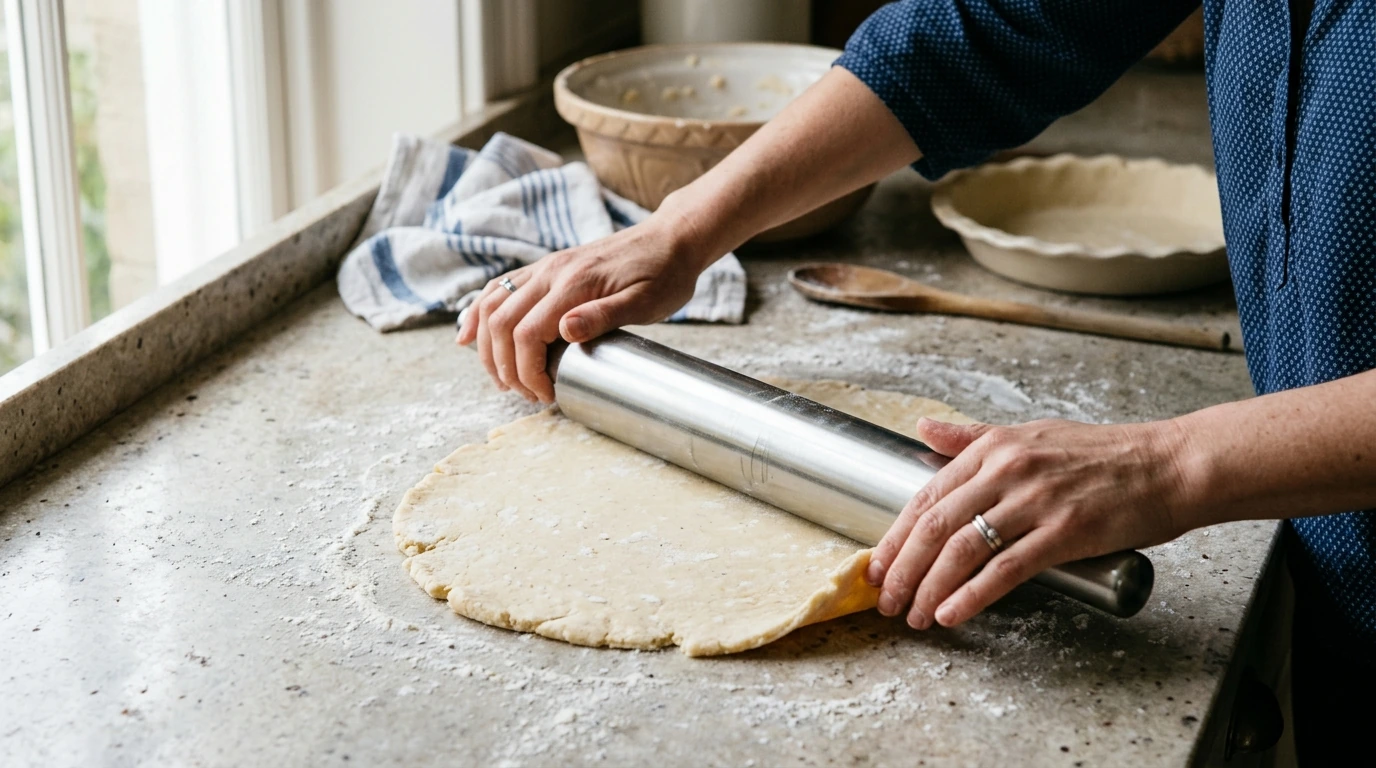
Stainless Steel Non-Stick Rolling Pin Set for Baking & Kitchen Use
A good rolling pin should feel effortless: dough releases cleanly, thickness stays consistent, and cleanup takes seconds. Our stainless steel non-stick rolling pin set is built for everyday baking—pie crusts, cookies, pizza dough, fondant—when you want smooth control, less sticking, and reliable results without fuss. Stainless steel’s naturally non-porous surface gives you that “low-stick” glide without relying on a coating, so you can move from buttery pastry to sweet doughs with fewer headaches. For more guidance, see Rolling pin.
Why stainless steel is a smart choice for rolling dough
When you’re rolling frequently, the material matters as much as your technique. Stainless steel earns its spot on the counter because it stays smooth and predictable from batch to batch. For further reading, see Finish for rolling pin.
- A naturally smooth surface helps reduce sticking compared with porous wooden pins, especially on higher-butter doughs.
- Chills quickly in the fridge or freezer, helping keep pastry dough firm so butter doesn’t smear and layers stay defined.
- Won’t absorb odors, colors, or moisture—use it for garlic flatbreads one day and sugar cookies the next.
- Easy wipe-down cleanup makes it practical for quick batches and frequent use.
What this rolling pin set helps you do in the kitchen
Our team designed this set for the real rhythm of home baking: mix, chill, roll, repeat—without a lot of extra flour or extra scrubbing.
- Roll pastry dough with less sticking and less added flour, helping prevent tough crusts.
- Flatten cookie dough evenly so trays bake more consistently.
- Smooth fondant and gum paste with a cleaner finish for decorating.
- Press and roll pizza dough or flatbread dough with better control on the countertop.
- Switch between tasks without worrying about lingering smells or staining.
Quick guide: match your rolling approach to the bake
| What you’re making | Keep the dough workable | Rolling technique | Helpful finish tip |
|---|---|---|---|
| Pie crust / pastry | Chill dough 10–15 min if it warms up | Roll from center outward, rotate dough often | Lift and turn frequently to prevent sticking |
| Cut-out cookies | Cool dough slightly after mixing | Use gentle, even pressure across the surface | Dust pin lightly; avoid over-flouring the dough |
| Pizza / flatbread | Let dough relax 10 min if it springs back | Press outward, then roll lightly to even thickness | Rest dough between rolls if it tightens |
| Fondant / gum paste | Keep covered when not rolling | Short strokes, rotate paste often | Wipe surface clean between colors to avoid tint transfer |
Everyday tips for a cleaner non-stick roll
Stainless steel does a lot of the work, but a few small habits make the difference between “pretty good” and “why didn’t I do this sooner?”
- Start with a lightly floured surface (or parchment) and add flour gradually—too much can dry out dough.
- For buttery doughs, chill the rolling pin briefly; cold stainless helps keep fat from smearing.
- Rotate dough a quarter turn every few strokes to maintain shape and reduce sticking.
- For sticky dough, roll between two sheets of parchment or silicone mats for minimal mess.
- If dough sticks, pause and lift the dough gently rather than forcing the pin—this helps preserve pastry layers.
Care and cleaning that keeps the surface smooth
Keeping stainless smooth is simple—think gentle cleaning and smart storage.
- Wash with mild soap and warm water; wipe dry to keep the finish looking clean.
- Avoid abrasive scouring pads that can dull a smooth surface over time.
- If dough dries on the pin, soak briefly, then wipe—no need for harsh scrubbing.
- Store where it won’t get nicked by sharp tools; small scratches can increase sticking on delicate doughs.
- For best pastry performance, chill the pin clean and dry—avoid chilling with moisture on the surface.
Material safety: choosing nontoxic stainless steel for food contact
If you’re trying to keep your kitchen tools simple and low-fuss, stainless is one of the easiest materials to live with. Food-safe stainless steel is commonly identified by grades such as 304 (often called 18/8 or 18/10) or 316, which are widely used for kitchen and food-contact applications. A practical rule is to choose stainless intended for food contact, keep it clean, and avoid using heavily damaged or deeply pitted tools; the “non-stick” feel comes from a smooth, non-porous surface and good dough handling rather than added coatings.
Make baking easier: a simple workflow for consistent thickness
Product pick for the counter
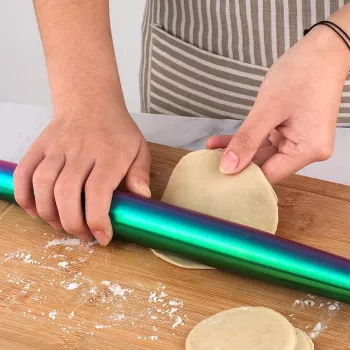
- Stainless Steel Non-Stick Rolling Pin Set for Baking & Kitchen Use — designed for easy release and quick cleanup when you bake often.
- Calvin Klein Men’s Pochette & Grooming Bag — a compact way to corral small accessories so drawers don’t turn into a jumble.
FAQ
What kind of stainless steel is nontoxic?
Common food-grade stainless options include 304 (often labeled 18/8 or 18/10) and 316, both widely used for food-contact applications. Prioritize stainless intended for food use, keep it clean, and replace tools that become deeply pitted or heavily damaged.
What is the best nonstick stainless steel cookware?
Stainless cookware typically isn’t inherently nonstick; performance depends on construction (like fully-clad pans) and good heat-and-oil technique. If you want truly low-stick cooking, look for reputable brands with clearly stated food-contact compliance and surfaces designed for that purpose.
Is it better to cook with stainless steel or teflon?
It depends on what you cook: stainless is durable and handles higher heat, while nonstick coatings can be convenient for delicate foods at lower to moderate temperatures. For rolling pins, you usually don’t need a coating at all—smooth stainless plus light flouring or chilling can deliver the low-stick feel.












Leave a comment