Decorate Any Space: Plan, Layer, and Edit Like a Pro
How do I decorate the space?
Start by deciding what the space needs to do before choosing what it should look like. Measure the area, note traffic flow, and pick one “anchor” item that sets scale and style—like a rug, sofa, bed, or dining table. From there, build a simple plan: one primary color, one secondary, and one accent; then repeat those tones across the room to make it feel intentional.
Next, layer in height and texture so the space doesn’t feel flat. Use a mix of low (coffee table, bench), mid (sofa, console), and tall elements (bookcase, floor lamp, plant). Combine hard and soft materials—wood, metal, glass, linen, and woven pieces—to add depth even with a small number of items.
To make the room feel curated instead of cluttered, group decor in “moments.” Style surfaces in odd numbers (three objects works well), vary heights, and leave negative space so each piece can breathe. Hang art at eye level (roughly 57–60 inches to center) and use a larger piece when possible—small art tends to look scattered unless it’s arranged as a tight gallery.
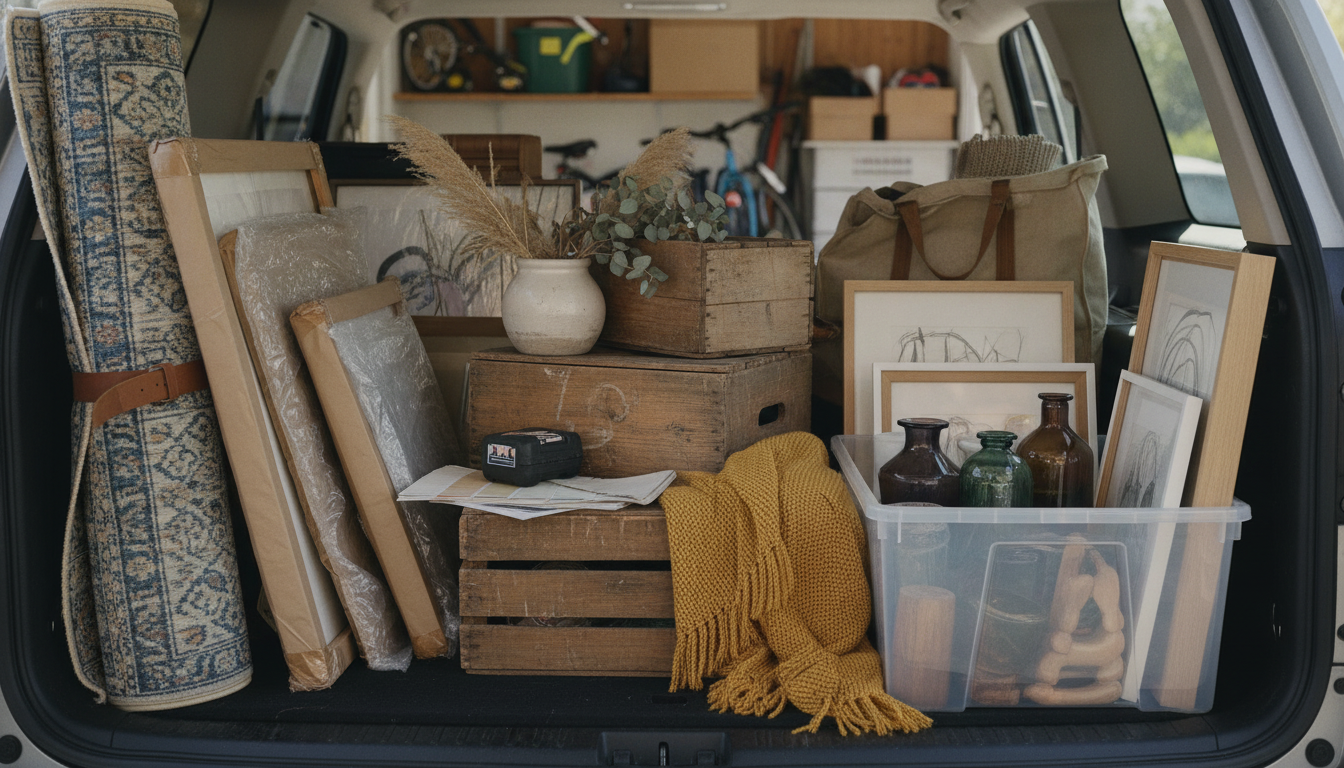
Finally, edit. Remove anything that doesn’t support the room’s purpose or palette, and upgrade the “quiet” details: matching hangers, coordinated storage bins, and warm bulbs (2700K–3000K) can transform the feel without a big spend. For a step-by-step approach to planning, shopping, and styling pieces that look intentional, visit this guide to thrifted decor that looks curated.
FAQ
How to decorate a difficult space?
Define the main function first, then choose one strong focal point and arrange furniture around clear pathways. Use vertical solutions like tall shelving, wall sconces, and curtains hung higher to balance awkward proportions.
How to make a space look expensive?
Prioritize fewer, larger-impact pieces: a substantial rug, full-length curtains, and oversized art. Keep the palette tight, add layered lighting, and swap in elevated hardware (pulls, knobs, faucets) where it’s noticeable.
How to decorate on a budget for small spaces?
Use multifunctional furniture, wall-mounted storage, and mirrors to expand the feel. Focus spending on one anchor item and thrift or mix in affordable accents that repeat your colors and textures.













Leave a comment