
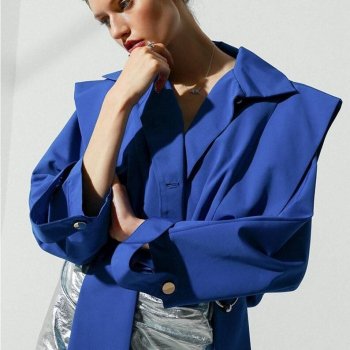
Women’s Commuter Shirt Fit for Biking & Transit Comfort

How should a women’s commuter shirt fit for comfortable biking or public transit commuting?
A women’s commuter shirt should feel streamlined without feeling tight, stay put when you lean forward on a bike, and layer easily for changing temperatures on trains, buses, or platforms. The best fit balances mobility (especially through the shoulders and arms) with a clean silhouette that won’t flap in the wind or bunch under a jacket or backpack straps.
Start with shoulder and chest comfort
Choose a fit that lets your shoulders move freely when you reach for handlebars or hold a rail. The shoulder seams should sit close to your natural shoulder edge, and the chest should allow comfortable breathing without pulling at buttons or gaping. If you can cross your arms and lift them overhead without strain, you’re in the right zone.
Allow room where you need it—without excess fabric
A commuter shirt should have light ease through the torso so you can sit, stand, and bend without the hem riding up or the fabric feeling restrictive. At the same time, avoid a boxy fit that catches wind while biking or bunches under a belt bag. Look for a silhouette that skims the body, especially at the waist and hips.
Check sleeve length and cuff behavior
Sleeves should reach your wrist bone when your arms are extended forward, since biking shifts your reach. Cuffs should be secure enough to stay out of the way but not so tight they restrict circulation. If you routinely push sleeves up, a cuff that rolls comfortably and stays put is a practical plus.
Mind the hem for bike posture and sitting
When you lean forward, the back hem shouldn’t climb noticeably. A slightly longer back or a hem that stays anchored helps keep coverage while you ride and while you’re seated on transit. Test the fit by sitting down and doing a gentle forward hinge—your mid-back and waistband area should remain covered.
Layering and backpack straps matter
For transit commuting, plan for layering: the shirt should fit comfortably under a light jacket without feeling tight in the upper arms. Under backpack straps, fabric should lie flat across the shoulders and upper back to reduce rubbing and bunching.
For more detail on dialing in fit, fabric choices, and care, visit the full guide here: women’s long sleeve commuter shirt fit, fabric, and care guide.
FAQ
What fabric is best for a women’s commuter shirt?
Look for breathable, moisture-managing fabrics that resist wrinkles and dry quickly, especially if you alternate between biking and indoor transit. A soft, slightly structured fabric can also help the shirt keep its shape under layers and straps.













Leave a comment