

Night Anxiety Relief: 5 Natural Ways to Calm Down Fast
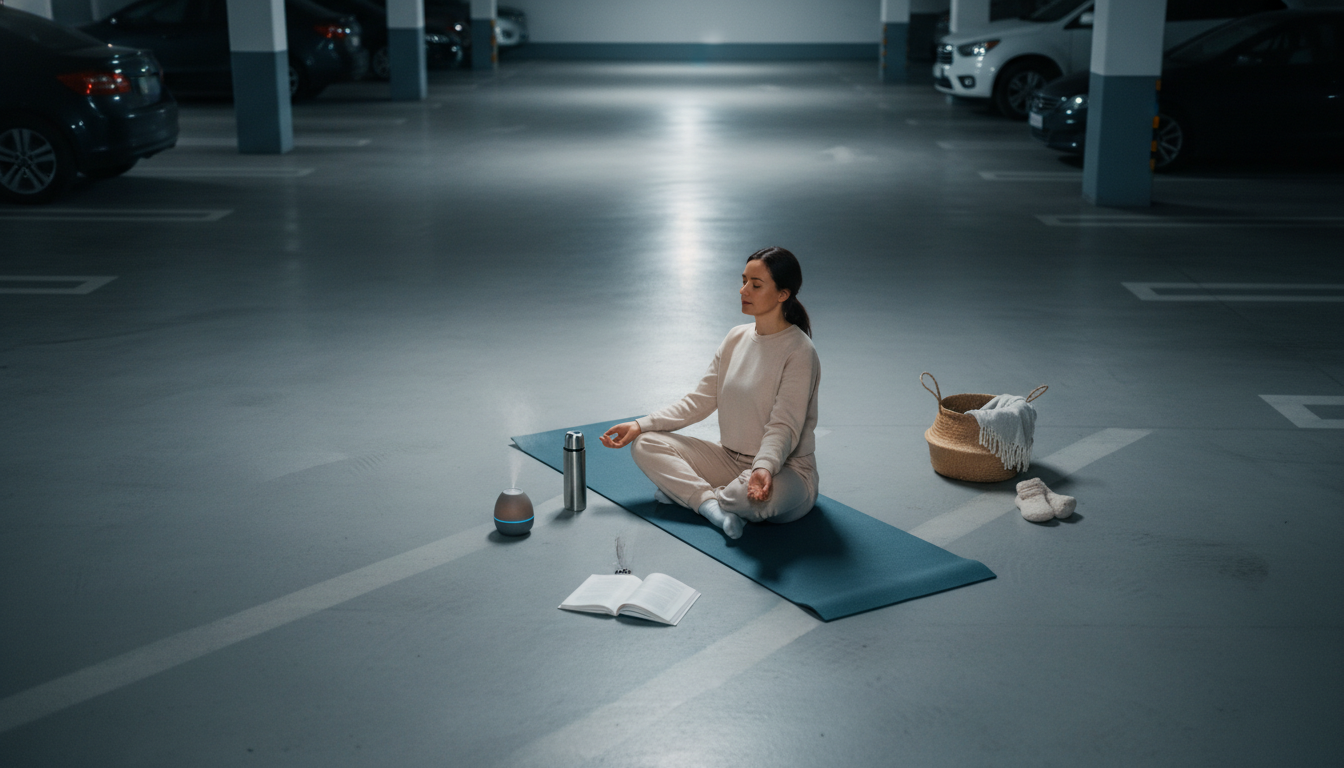
How to calm anxiety at night naturally
Nighttime anxiety often shows up when the house gets quiet and your brain finally has space to replay worries. The goal isn’t to “force sleep,” but to signal safety to your nervous system so your body can shift out of fight-or-flight. These natural steps are simple, gentle, and work best when repeated consistently.
1) Do a quick body “downshift” (2–5 minutes)
Try a slow breathing pattern: inhale through your nose for 4 seconds, exhale for 6–8 seconds. Keep your shoulders relaxed and let the exhale be the focus. Longer exhales nudge your body toward calm by engaging the parasympathetic nervous system.
2) Use grounding to interrupt spiraling thoughts
If your mind is racing, name five things you can see, four you can feel, three you can hear, two you can smell, and one you can taste. This shifts attention from predictions to the present moment—often enough to soften panic and reduce physical tension.
3) Create a “worry container” before bed
Spend 3 minutes writing down what’s bothering you and one tiny next step for tomorrow (even “send one email” counts). Then close the notebook and tell yourself: “Noted. I’ll handle it tomorrow.” This prevents your brain from trying to solve everything at 1 a.m.
4) Adjust the environment for a calmer baseline
Lower the lights 60–90 minutes before sleep, keep the bedroom cool, and reduce noise (a fan or white noise can help). If you wake anxious, avoid checking the time—it can trigger urgency and restart the stress loop.
5) Try a fast reset routine when anxiety spikes
For a structured, step-by-step approach you can repeat nightly, use the 10-minute reset in this guide: https://hovira.com/guide-calm-anxiety-fast-10-minute-reset-daily-planner/.
FAQ
Why does anxiety get worse at night?
At night there are fewer distractions, fatigue lowers coping capacity, and quiet can amplify internal sensations and thoughts. Stress hormones can also stay elevated if the day was intense or sleep habits are inconsistent.













Leave a comment