

Motivation Books for Ages 10–25: What Actually Works
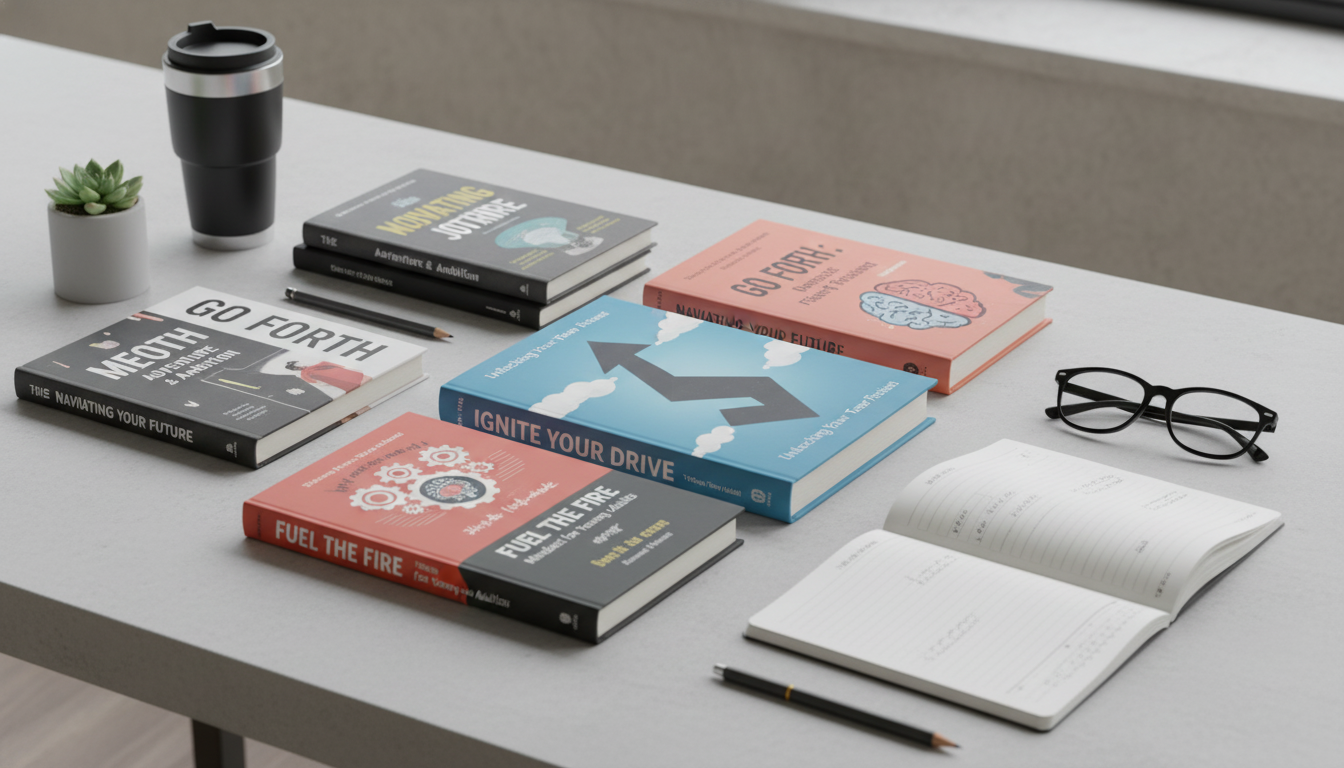
How to motivate 10-25 year olds book?
Motivating ages 10–25 starts with matching the book (and the approach) to what matters to them right now: identity, autonomy, friendships, future goals, and a sense of competence. The best “motivation book” is usually the one that feels personally relevant and easy to act on, not the one that feels like a lecture.
1) Let them choose the direction. Offer a small menu (3–5 options) and let them pick. Choice increases follow-through, especially for teens and young adults who resist feeling controlled.
2) Pick books that translate into action fast. For 10–14, look for stories and short chapters with clear takeaways. For 15–25, books with frameworks, prompts, and real examples tend to land better. If a book has reflection questions, habit trackers, or “try this today” steps, it’s easier to build momentum.
3) Tie reading to a goal they actually want. Connect the book to something tangible: making a team, improving grades without burnout, getting a job, saving for a trip, learning a skill, or feeling more confident socially. Motivation increases when the payoff is concrete and near-term.
4) Use tiny commitments. Replace “finish the book” with “read 5 pages” or “one chapter this week.” Then add a simple action: write one sentence about what stood out, or try one tip for 24 hours.
5) Make it social (without pressure). A low-key book chat (10 minutes), a shared quote board, or listening to the audiobook together on a commute can help—especially for reluctant readers.
6) Reinforce progress, not personality. Praise effort and strategy (“You stuck with it” / “That plan was smart”) rather than labels (“You’re so motivated”). This builds a long-term belief that motivation is something they can create.
For a deeper, practical approach to purpose, focus, and drive that lasts—especially for teens and young adults—see this guide: https://hovira.com/guide-motivate-young-adults-purpose-focus-drive-that-lasts/.
FAQ
What are some non-school ways to build motivation in teens?
Use real-world projects they care about (fitness, music, gaming skills, coding, volunteering) and set small weekly targets they control. Pair effort with immediate feedback—like tracking progress or sharing results with a friend.












Leave a comment