

Corduroy: Natural or Man-Made? Fibers Explained
Is corduroy natural or man-made?
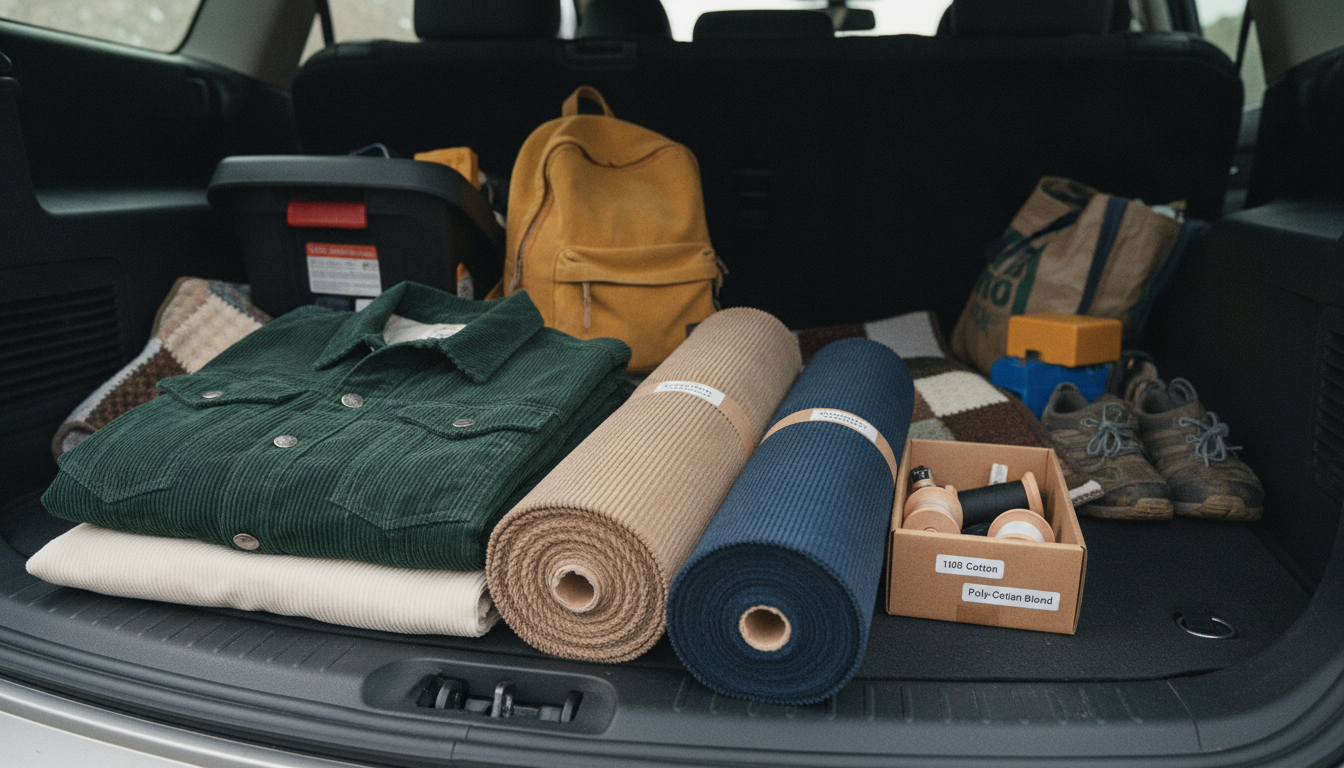
Corduroy can be either natural or man-made—it depends on the fiber used to weave the fabric. “Corduroy” describes the ribbed texture (the raised “wales”), not a specific material. The same corded surface can be made from cotton, wool, or synthetic fibers, and each option looks similar at a glance while behaving differently in wear and care.
What corduroy is made from
Natural corduroy
The most common natural version is cotton corduroy. Cotton corduroy tends to feel breathable and soft, with a slightly matte finish and a cozy hand that works well for skirts, pants, and jackets. Less commonly, corduroy can be made with wool or cotton-wool blends, which add warmth and structure but may require gentler cleaning.
Man-made corduroy
Man-made corduroy is typically woven from polyester, nylon, rayon/viscose (semi-synthetic), or blends that include spandex for stretch. These fabrics often resist wrinkles and can feel smoother or slightly shinier than cotton. Stretch corduroy—popular for fitted silhouettes—usually combines cotton or polyester with a small amount of elastane.
How to tell which you have
The quickest way is the care label: it will list the fiber content (for example, “100% cotton” or “98% cotton, 2% spandex”). If you’re shopping vintage, labels sometimes fade or go missing, so texture clues can help: cotton corduroy usually feels more “dry” and plush, while polyester blends may feel slicker and hold a bit more sheen. When in doubt, treat it gently—turn inside out, avoid high heat, and brush the wales after drying to keep the pile looking crisp.
Why it matters for fit, feel, and styling
Fiber choice affects drape, warmth, and how the ribs catch light. Cotton corduroy often reads classic and casual, while a synthetic blend can look sharper and hold a body-hugging shape. For a style-focused look at how corduroy plays with silhouettes and nights-out outfits, see this vintage corduroy split mini skirt style guide.
FAQ
Does corduroy shrink in the wash?
Cotton corduroy can shrink, especially with hot water or high-heat drying. To reduce risk, wash cold, use a gentle cycle, and air-dry or tumble dry low.














Leave a comment