

Signs of Low Emotional Awareness (and How to Improve)
What are signs of low emotional awareness?
Low emotional awareness often shows up as confusion about what you’re feeling, why you’re feeling it, and how it’s affecting your behavior. Instead of recognizing emotions early, they can build quietly and spill out as irritability, shutdown, or sudden overwhelm.
Common signs to watch for
You struggle to name emotions beyond “fine,” “stressed,” or “mad.” Feelings stay vague, which makes them harder to regulate or communicate.
You notice body symptoms first. Headaches, a tight chest, jaw clenching, or stomach tension may appear before you realize you’re anxious, hurt, or angry.
Feedback feels like a personal attack. When emotions aren’t clearly identified, even small comments can trigger defensiveness because the underlying feeling (shame, fear, embarrassment) isn’t recognized.
You react quickly, then feel confused about what happened. Snapping, withdrawing, or people-pleasing can become automatic when there isn’t a pause to label the emotion and choose a response.
You have trouble explaining needs in relationships. If the emotion isn’t clear, requests come out as criticism (“You never…”) or avoidance (“It’s nothing”), which creates distance.
Conflicts repeat with the same pattern. Without emotional insight, the same triggers keep returning because the real driver (feeling unheard, unsafe, unappreciated) stays unaddressed.
Why it matters (and what helps)
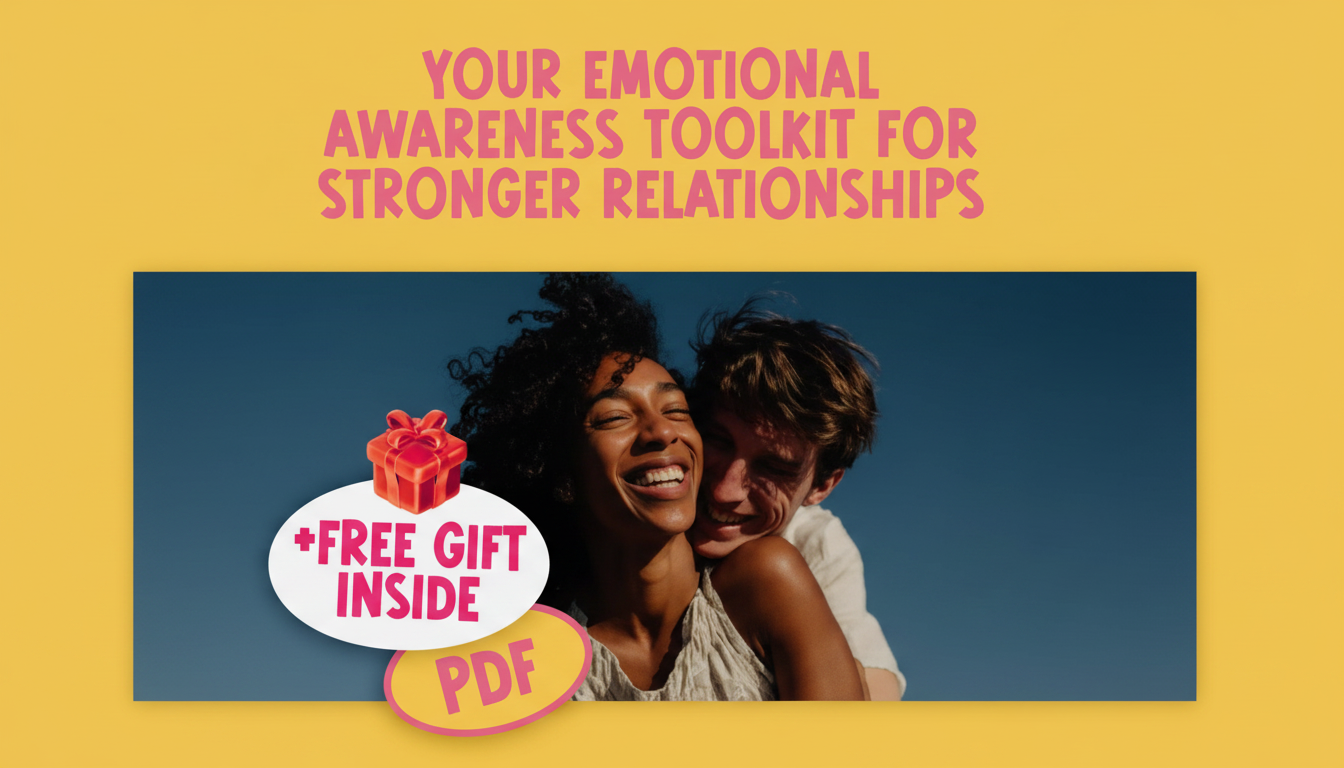
Emotional awareness is the bridge between what happens and how you respond. Building it can start small: pausing to ask “What am I feeling right now?”, noticing where it shows up in your body, and using more specific labels (disappointed, nervous, lonely, resentful). For practical tools that make this easier day to day, see this emotional awareness toolkit for stronger relationships.
For Signs of Low Emotional Awareness (and How to Improve), the best answer depends on fit, material, care instructions, and how the product will be used day to day.
FAQ
How do you build emotional awareness?
Start by checking in a few times a day: name the emotion, rate its intensity, and note the trigger. Over time, specific labeling and short pauses before reacting make feelings easier to understand and manage.














Leave a comment