

Cute Yet Toxic Animals: 5 Poisonous Wildlife Surprises
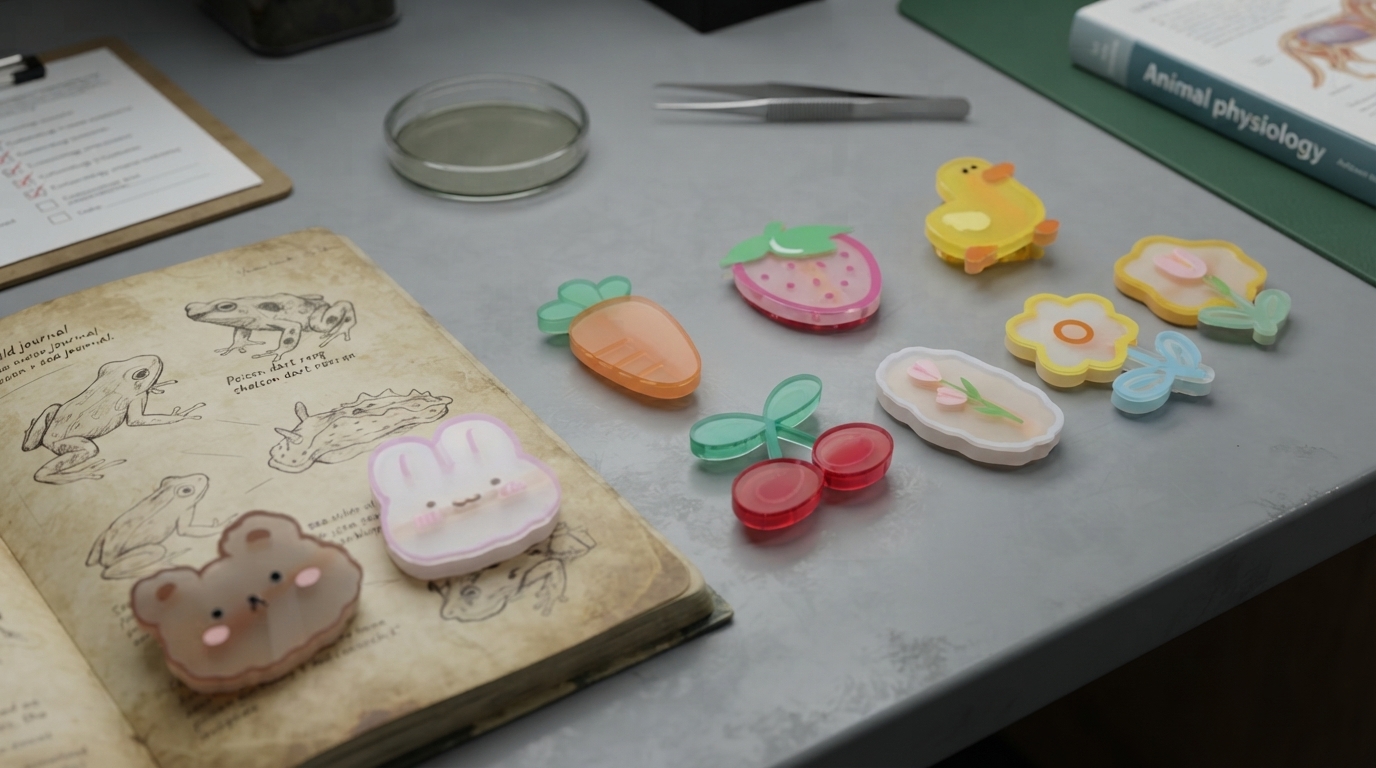
What cute animals are poisonous?
Some of the most adorable animals in the world also come with chemical defenses that can hurt people or pets if handled the wrong way. “Poisonous” typically means toxins are delivered by eating or touching the animal (while “venomous” means injected by a bite or sting). Either way, the safest rule is simple: enjoy wildlife with your eyes, not your hands.
Poison dart frogs
These tiny, brightly colored frogs look like living candy, but many species carry potent skin toxins. In the wild, their toxicity often comes from their diet (certain ants and insects). Captive-bred dart frogs are usually far less toxic, but it’s still smart to avoid handling any amphibian—both for your safety and theirs.
Blue-ringed octopus
Small enough to fit in a palm, the blue-ringed octopus becomes even “cuter” when its blue rings flash—unfortunately, that display can signal serious danger. It carries powerful venom that can cause paralysis. Never pick up an octopus on the shore or in tide pools, even if it looks calm.
Pufferfish
Pufferfish have an endearing, round appearance and comical swimming style. Some species contain tetrodotoxin, a dangerous toxin concentrated in certain organs. That’s why preparing pufferfish as food is strictly regulated in places where it’s eaten.
Rough-skinned newt
This little newt looks harmless, but it can contain enough tetrodotoxin to seriously harm predators—and people. Handling amphibians can also irritate your skin or eyes if you accidentally touch your face afterward, so it’s best to admire them from a distance.
Cone snails
Many cone snails have gorgeous, collectible-looking shells. Some species can deliver a venomous sting from a harpoon-like tooth, and the effects can be severe. If you’re beachcombing, avoid picking up live snails—especially if you can’t confidently identify them.
Looking for cute animal vibes without the risk? For a playful, kid-friendly option, check out these cute animal strawberry hair clips for little girls—all charm, no toxins.
FAQ
What should you do if a child touches a potentially toxic animal?
Wash hands gently but thoroughly with soap and water, and keep them from rubbing eyes or mouth. If there are symptoms like numbness, trouble breathing, vomiting, or a worsening rash, contact Poison Control (1-800-222-1222 in the U.S.) or seek urgent medical care.














Leave a comment