

Electrical Checklist for Wall-Mounted Smart Bathroom Mirrors
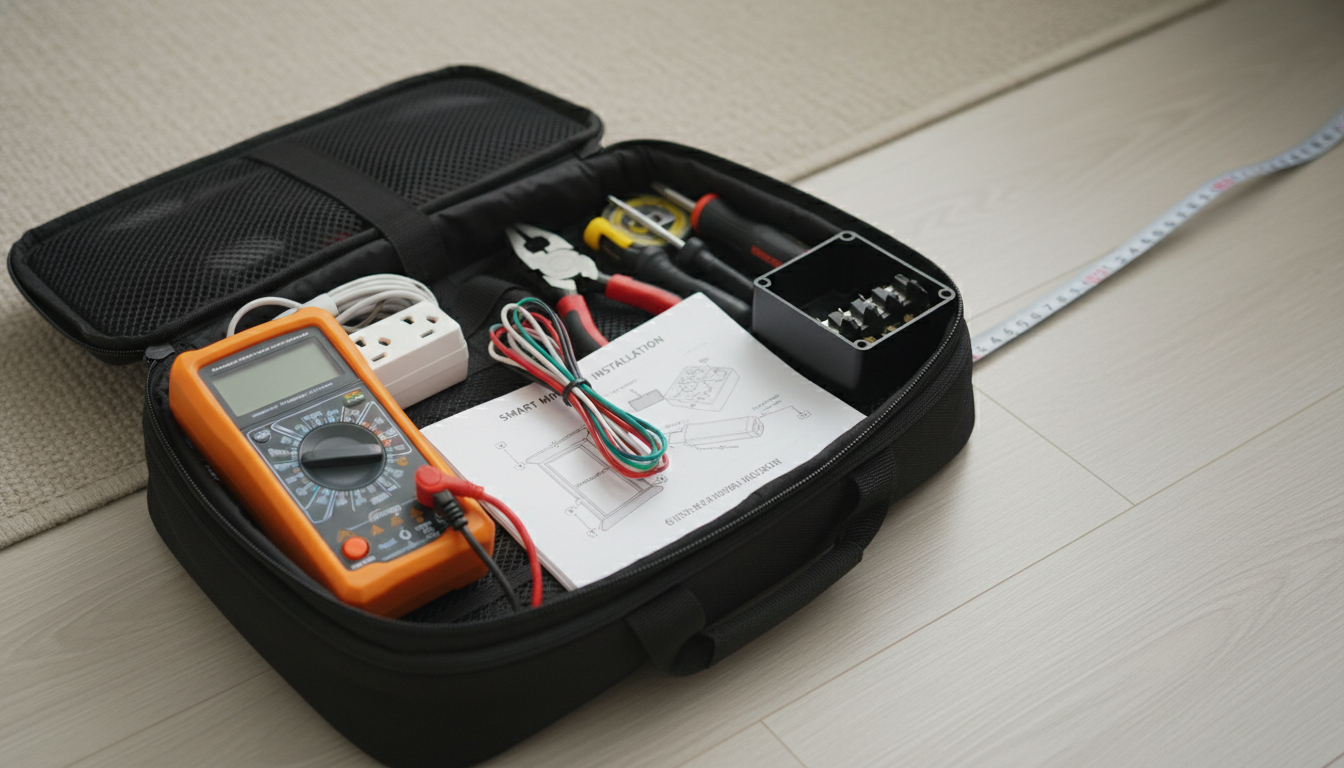
What electrical requirements should I check before installing a wall-mounted smart bathroom mirror?
Before mounting a smart bathroom mirror, confirm the electrical setup matches what the mirror requires and what bathroom code typically demands. A few quick checks up front can prevent nuisance tripping, fog-feature failures, or unsafe wiring in a wet location.
Verify the power type and voltage
Check the product specs for input voltage and wiring method: many wall-mounted smart mirrors are designed for standard 120V household power, while some models use a plug-in connection and others require hardwiring. Make sure your home supply and the mirror’s rated voltage match exactly, and confirm whether the mirror includes an internal driver/transformer or requires a specific connection type.
Confirm circuit capacity (and avoid overloading)
Smart mirrors often combine LED lighting, a defogger pad, and sometimes speakers or a clock. Add up the wattage/amp draw listed on the label and compare it to what else is on the same circuit (lights, fan, outlets). If the mirror includes a heater/defogger, it may be best on a less-loaded circuit to prevent breaker trips when multiple bathroom devices run at once.
GFCI protection and bathroom location rules
Bathrooms are wet environments, so ground-fault protection is commonly required. If the mirror plugs into an outlet, that outlet should be GFCI-protected. For hardwired installations, local code may still require GFCI protection upstream (breaker or receptacle feeding the circuit). Also check any placement rules around sinks, tubs, and showers.
Wiring access behind the mirror
Confirm you have a safe way to bring power to the mirror: an approved electrical box, proper cable type for the wall, and enough depth/clearance so wiring isn’t pinched by the mounting bracket. Plan where the wire will enter (top, side, or rear) based on the mirror’s design.
Switching, dimming, and controls compatibility
If you want the mirror on a wall switch, verify whether it expects constant power (with on-mirror touch controls) or switched power. If you plan to use a dimmer, confirm the mirror is dimmer-compatible; many LED drivers require specific dimmer types and can flicker on standard dimmers.
For mirror feature details like anti-fog and lighting modes, see the complete guide here: https://hovira.com/guide-round-led-smart-bathroom-mirror-3-color-anti-fog/.
FAQ
Can I plug a smart bathroom mirror into an outlet instead of hardwiring it?
Only if the mirror is designed as a plug-in model and the cord can reach a properly located outlet without using extension cords. The outlet should be GFCI-protected, and the cord must be routed so it won’t be pinched behind the mirror or exposed to splashes.














Leave a comment