

Stainless Steel Price per Pound: 304 vs 316 Costs
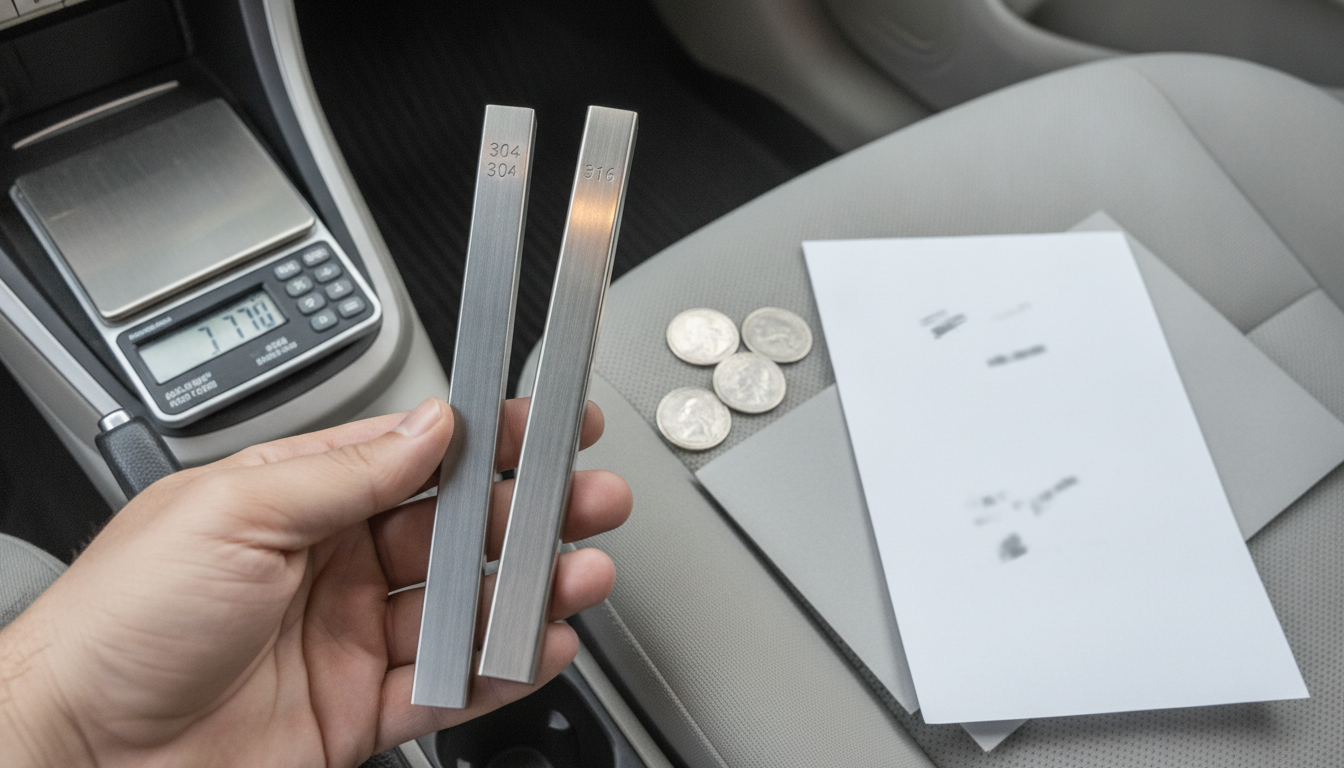
What is the average price for stainless steel?
The average price for stainless steel depends on the grade (such as 304 vs. 316), the form (scrap, sheet, bar, coil, jewelry components), and current nickel and chromium market pricing. As a practical range, everyday stainless steel products are often priced from a few dollars per pound for bulk material to significantly more per pound once it’s processed into finished components.
For consumers, the “average price” usually shows up indirectly—through the cost of stainless steel jewelry, kitchenware, hardware, or industrial parts. In those cases, finishing, polishing, machining, brand markup, and design complexity can cost far more than the raw metal itself. That’s why a simple stainless steel blank may be inexpensive, while a well-finished bracelet or bangle can cost many times more.
Grade also matters. 304 stainless is commonly used and typically costs less than 316 stainless, which has added corrosion resistance (often preferred for marine environments and many jewelry applications). When nickel prices rise, stainless steel prices can climb as well, since nickel is a key alloying ingredient in many stainless grades.
If stainless steel is being considered for jewelry—especially plated styles—material choice affects durability and long-term appearance. For background on how stainless steel performs under plating and daily wear, see this guide to 18k gold-plated stainless steel bangle bracelets.
For Stainless Steel Price per Pound: 304 vs 316 Costs, the best answer depends on fit, material, care instructions, and how the product will be used day to day.
Checking those details first helps avoid a poor match and keeps the choice practical after delivery.
For Stainless Steel Price per Pound: 304 vs 316 Costs, the best answer depends on fit, material, care instructions, and how the product will be used day to day.
FAQ
How much is 1 lb of stainless steel?
For scrap stainless steel, 1 lb is often worth around $0.30 to $1.50 depending on grade and local market conditions. For new, manufactured stainless steel (sheet, bar, or parts), the cost per pound is typically higher because it includes processing, handling, and supplier margins.














Leave a comment