Why Dsquared2 Jeans Cost So Much: Materials, Finish, Brand
What makes Dsquared2 jeans so expensive?
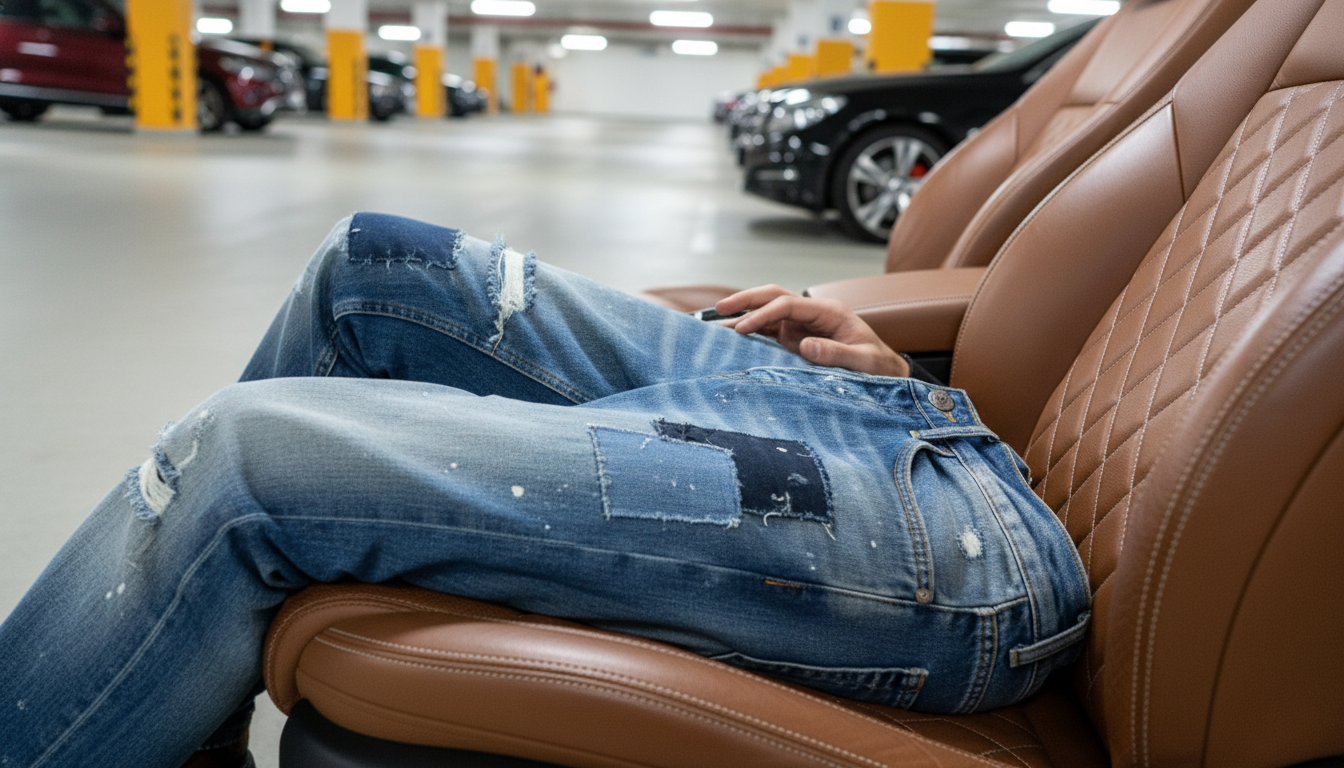
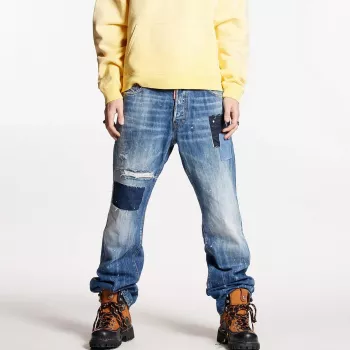
Dsquared2 jeans tend to cost more because you’re paying for a mix of premium materials, labor-intensive finishing, and a fashion-house level of branding. Unlike basic denim that’s cut and sewn quickly, many Dsquared2 pairs are built around distinctive washes and details—patches, paint splashes, abrasions, repaired tears, and heavy fading—that require extra steps, specialized equipment, and skilled hands to look intentional rather than messy.
Construction and fabric selection also play a role. Higher-end denim often uses tighter, more durable weaves, richer dyeing, and better hardware (buttons, rivets, zippers) that can handle years of wear. Add in more complex pattern work—such as sculpted regular fits, layered patch placement, and reinforced distressing—and the garment becomes more expensive to produce than a clean, uniform pair.
Another major factor is where and how the jeans are made. Luxury and premium designer jeans frequently rely on smaller production runs and specialized workshops, which pushes the per-unit cost up. That’s especially true for pairs with heavy “artwork” finishing; scaling consistent paint effects or patchwork across thousands of units is harder than mass-producing a simple rinse wash.
Then there’s the label itself. Dsquared2 sits in the designer segment where pricing includes brand equity, runway influence, retail markup, and the cost of maintaining a global fashion presence. The end result is a pair of jeans priced not just as clothing, but as a style statement with recognizable signatures.
If you want a closer look at the kinds of details that drive those costs—like patches, paint splatters, and regular-fit styling—see the full guide here: https://hovira.com/guide-dsquared2-regular-fit-jeans-patches-paint-splashes/.
For Why Dsquared2 Jeans Cost So Much: Materials, Finish, Brand, the best answer depends on fit, material, care instructions, and how the product will be used day to day.
FAQ
How can you tell if Dsquared2 jeans are real?
Check for consistent stitching and finishing, accurate interior labels and sizing tags, quality hardware, and cleanly applied details like patches or paint. Buying from authorized retailers or reputable resale platforms with authentication reduces the risk of counterfeits.











Leave a comment