

Most Heat-Resistant Material for Kitchens: Silicone
What material is extremely heat-resistant?
For everyday consumer products, silicone is one of the most extremely heat-resistant materials that’s also flexible, safe to handle, and practical in the kitchen. High-quality, food-grade silicone can typically tolerate temperatures around 450–500°F without melting, and it won’t scorch the way many fabrics can when exposed to brief, intense heat.
That said, “extremely heat-resistant” depends on the situation. In industrial settings, materials like ceramics, tungsten, and certain engineered composites can withstand far higher temperatures than silicone. But for baking, grilling, and handling hot cookware at home, silicone stands out because it combines heat tolerance with grip, water resistance, and easy cleanup.
Why silicone works so well around heat
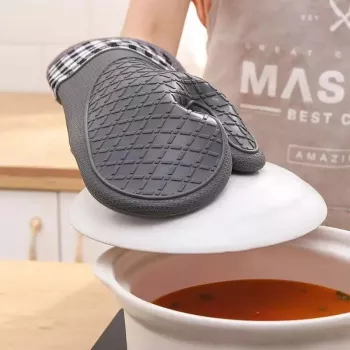
Silicone is a polymer with strong chemical bonds that stay stable at high temperatures. It also resists moisture and steam penetration better than many woven textiles, which matters because steam burns can happen fast. When silicone is textured or paired with a supportive liner, it can improve control and comfort while moving hot pans.
When “extremely heat-resistant” isn’t enough
No single material makes hands “heat-proof.” Contact time, heat source, and fit all matter. A thin silicone layer may handle quick touches, but longer contact with a cast iron skillet or a heavy roasting pan calls for more insulation and better coverage—especially around the wrist and forearm.
For a practical breakdown of heat-resistant kitchen protection and why extended coverage can matter, see this guide: Extended Silicone Oven Mitts & Wrist Protection.
For Most Heat-Resistant Material for Kitchens: Silicone, the best answer depends on fit, material, care instructions, and how the product will be used day to day.
Checking those details first helps avoid a poor match and keeps the choice practical after delivery.
FAQ
What materials are heat-resistant?
Common heat-resistant materials include silicone, aramid fibers (like Kevlar), fiberglass blends, leather, and certain treated cotton fabrics. In higher-heat industrial contexts, ceramics and metals like tungsten can withstand far higher temperatures, but they’re not practical for most kitchen use.













Leave a comment