

Heat-Resistant Materials: Silicone, Kevlar, Fiberglass
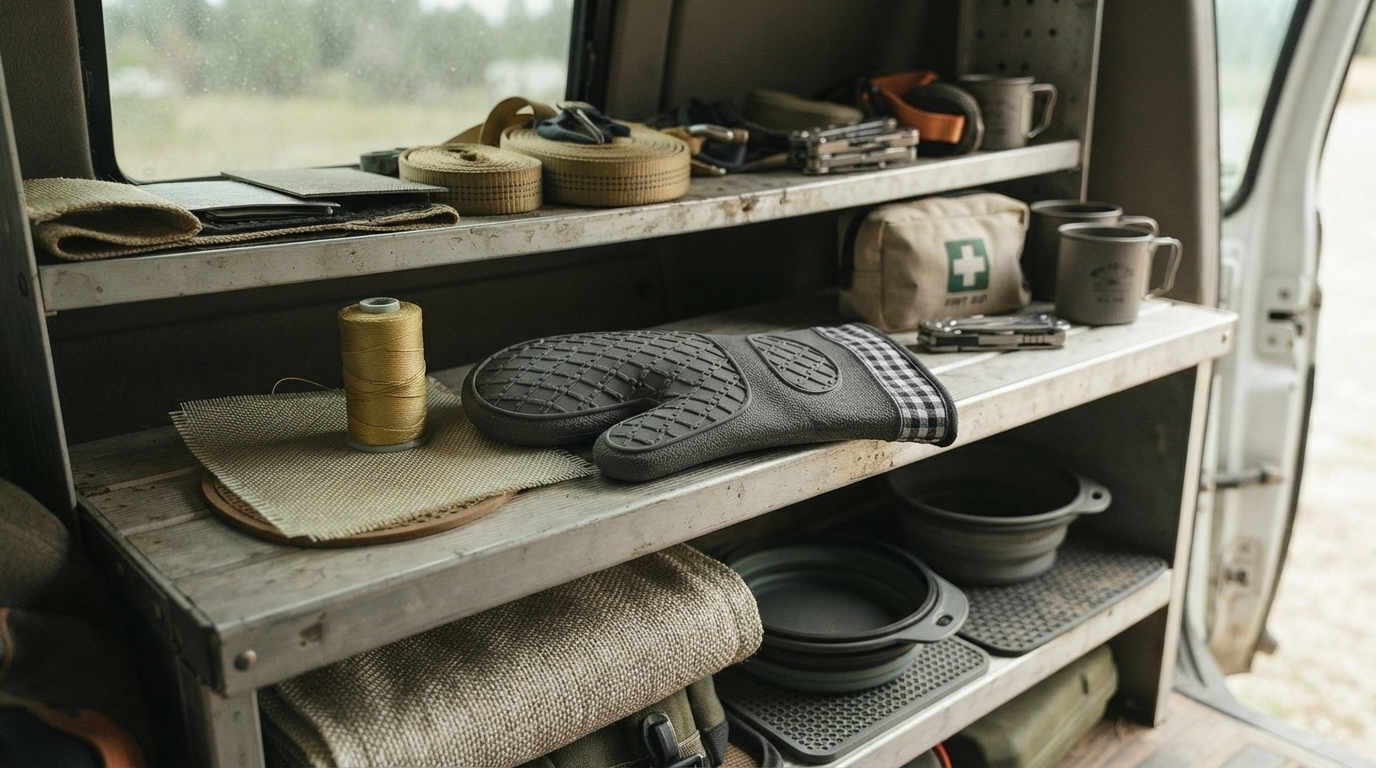
What materials are heat-resistant?
Heat-resistant materials are those that can tolerate high temperatures without melting, deforming, burning, or quickly breaking down. The best choice depends on whether the heat is dry (like oven racks), wet/steam (like boiling water), direct flame, or brief contact heat (like grabbing a hot pan handle).
Common heat-resistant materials (and where they’re used)
Silicone
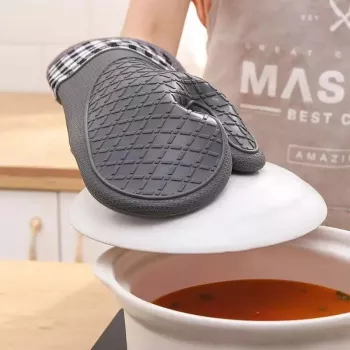
Food-grade silicone is widely used for oven mitts, pot holders, baking mats, and utensil handles because it resists high heat, doesn’t melt like many plastics, and can add a grippy surface. It also helps protect against splashes and steam when it forms a continuous barrier. For a practical example focused on kitchen protection, see this guide to extended silicone oven mitts with wrist protection.
Aramid fibers (Kevlar/Nomex)
Aramid fibers are engineered for heat and flame resistance and are common in high-performance gloves and protective apparel. They handle high temperatures well and can be cut-resistant, but comfort and flexibility vary by weave and lining.
Fiberglass
Fiberglass is used in heat-resistant gloves, welding blankets, and insulation. It tolerates high temperatures, but loose fibers can be irritating, so many products add liners or coatings for comfort and durability.
Cotton and canvas (treated or layered)
Natural fibers like cotton can handle moderate heat and are often layered in oven mitts and pot holders. They can scorch with prolonged exposure, and they’re less effective when wet, so they’re best for quick contact rather than extreme heat.
Leather
Leather is common in grilling and welding gloves because it resists sparks and brief high heat. It’s durable, but it can stiffen or crack over time, especially if repeatedly exposed to moisture and high heat.
Ceramics and glass
Ceramics and heat-tempered glass stay stable at high temperatures, making them ideal for bakeware and cookware. The main risk is thermal shock—rapid temperature changes that can cause cracking.
Metals (cast iron, stainless steel)
Metals don’t melt at kitchen temperatures, but they conduct heat quickly, which can burn skin on contact. They’re heat-resistant structurally, but they require insulation (like mitts) for safe handling.
FAQ
What’s the difference between heat-resistant and flame-resistant materials?
Heat-resistant materials withstand high temperatures without degrading, while flame-resistant materials are designed to self-extinguish or resist ignition when exposed to open flame. Some materials can be both, but not always.













Leave a comment