

16 RPM Records: What They Are and What They Played
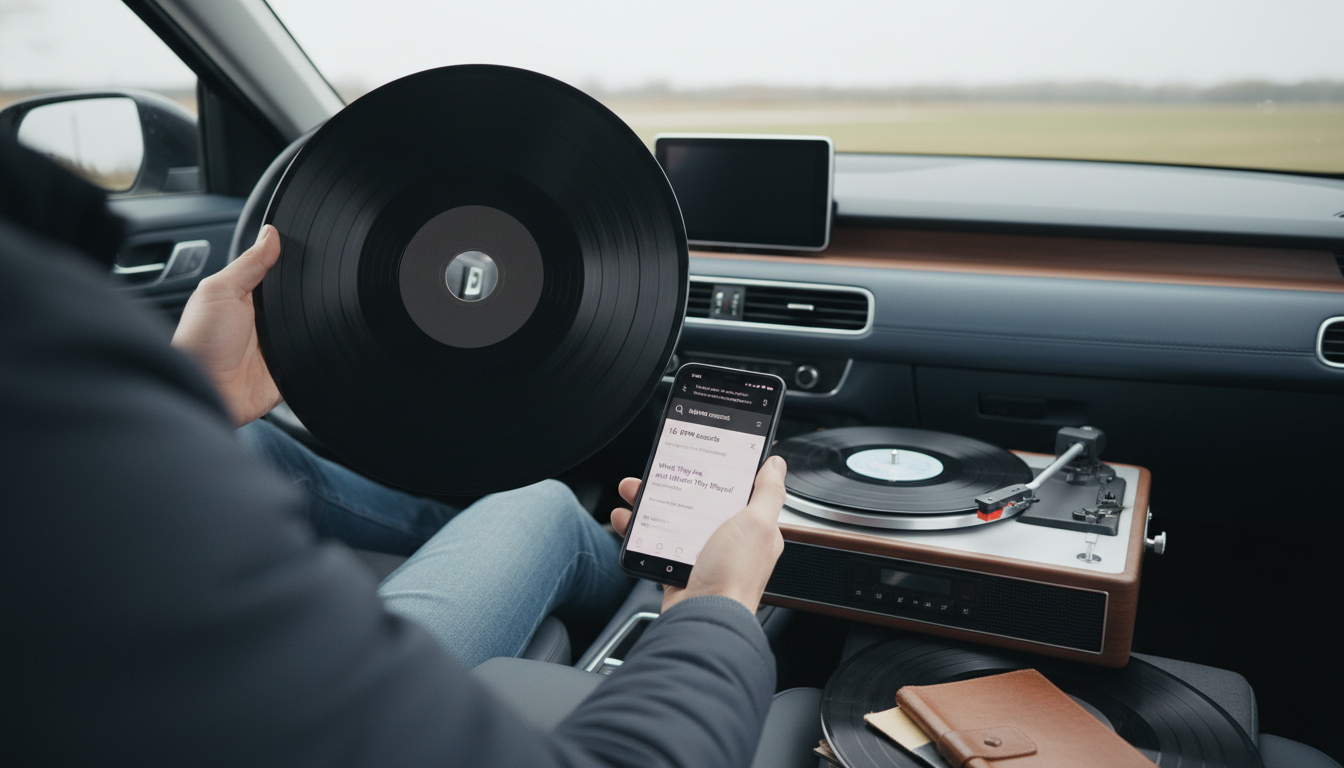
What records are played at 16 rpm?
Records played at 16 rpm (often labeled 16 2/3 rpm) are mostly specialty discs made for long playback time rather than high-fidelity music. You’ll most commonly see this speed associated with spoken-word and utility recordings from the mid-20th century—items designed to run for extended periods on each side.
Types of 16 rpm records you might encounter
Talking books and spoken-word programs: Some “talking book” and educational records were issued at 16 rpm so a listener could get more minutes per side. These can include language lessons, lectures, and narration-heavy content.
Transcription and broadcast-related material: Certain radio-focused or institutional recordings were produced at slower speeds to maximize duration, especially for background programming or internal use.
Background music systems (limited and niche): A handful of background music and paging systems experimented with slower speeds to reduce disc changes, though formats and compatibility varied by manufacturer.
Dictation and training recordings: Some organizations used slow-speed discs for internal training or dictation-style playback, prioritizing clarity of voice and runtime over full-range musical detail.
Why 16 rpm was used
The main advantage of 16 rpm is longer play time per side. The tradeoff is reduced audio bandwidth and more noticeable noise, which is why it never became a mainstream consumer music format like 33 1/3 or 45 rpm.
What you need to play 16 rpm records
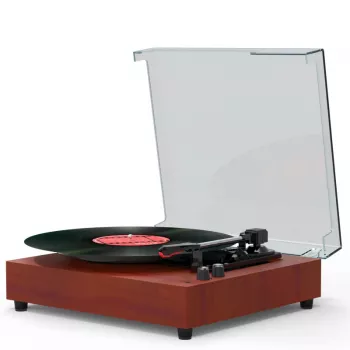
You need a turntable that actually supports 16 rpm (many modern “3-speed” models only do 33 1/3, 45, and 78). You’ll also want the correct stylus and cartridge setup for the groove type; many 16 rpm discs are microgroove, but not all are standardized. For a practical rundown of common turntable speeds and what typical consumer players handle, see this guide: https://hovira.com/guide-3-speed-record-player-with-speakers-headphone-jack-audio-technica-stylus/.
FAQ
Is 16 rpm the same as 16 2/3 rpm?
They’re often used interchangeably in casual conversation. Technically, many “16 rpm” records were intended for 16 2/3 rpm, so using the exact speed helps voices sound natural and avoids pitch changes.











Leave a comment