
Best Fabrics for Women’s Commuter Shirts: Sweat + Temps
What’s the best fabric for a women’s long sleeve commuter shirt to handle sweat and temperature changes?
Answer
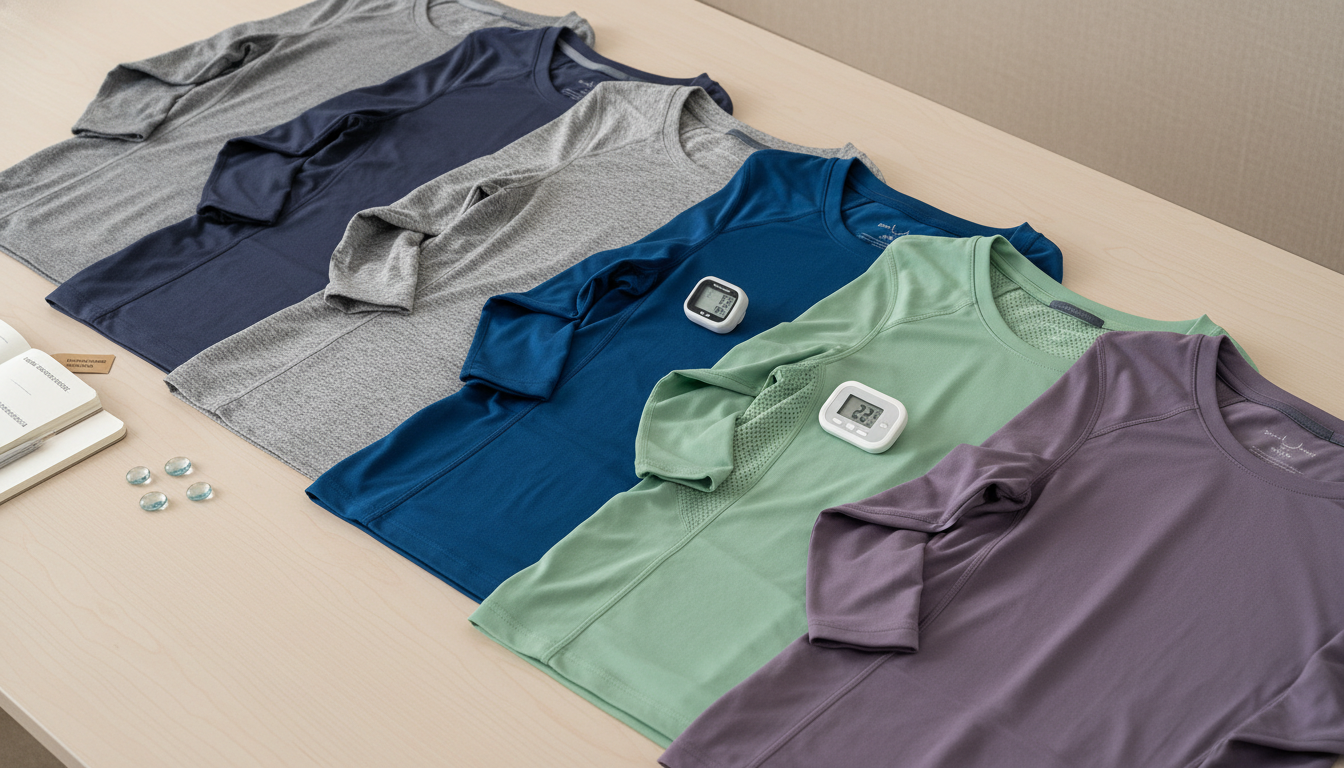
The best all-around fabric for a women’s long sleeve commuter shirt that needs to manage sweat and shifting temperatures is a performance knit that uses moisture-wicking synthetic fibers (like polyester or nylon) with a touch of elastane. This blend moves perspiration off your skin quickly, dries fast after a hard push, and keeps the shirt from feeling clammy when you step into air conditioning or slow down at a stop.
For most commuters, a midweight, breathable knit is the sweet spot: light enough to vent heat on the move, but substantial enough to take the edge off cooler mornings. Look for fabrics described as “wicking,” “quick-dry,” or “technical jersey,” and prioritize a smooth inner face that won’t trap sweat. Stretch matters too—elastane helps the shirt keep its shape after repeated wear and washing, and it reduces that restrictive feeling when you’re reaching forward on handlebars or carrying a bag.
Merino wool is another strong option, especially if your commute includes big temperature swings or you want better odor resistance. Merino can feel comfortable across a wider temperature range than many synthetics and stays wearable longer between washes. The tradeoff is that it typically dries slower than polyester and can be more delicate (and more expensive), so it’s best when paired with a commuter-friendly fit and care routine.
If you run hot or sweat heavily, avoid heavy cotton. Cotton absorbs moisture and tends to stay wet, which can chill you once you stop moving. Instead, choose a fabric that’s engineered to release moisture and recover quickly, so your body temperature stays more stable from sidewalk to train platform to office.
For a deeper breakdown of fit, fabric types, and care tips, visit the full guide: women’s long sleeve commuter shirt fit, fabric & care guide.
FAQ
How should a women’s commuter shirt fit for layering?
Aim for a trim-but-not-tight fit that leaves room for a thin base layer without restricting shoulders and arms. A slightly longer hem helps maintain coverage when you’re leaning forward or reaching.













Leave a comment