

Daily Work-Life Balance: Track Time, Energy, Focus & Outcomes
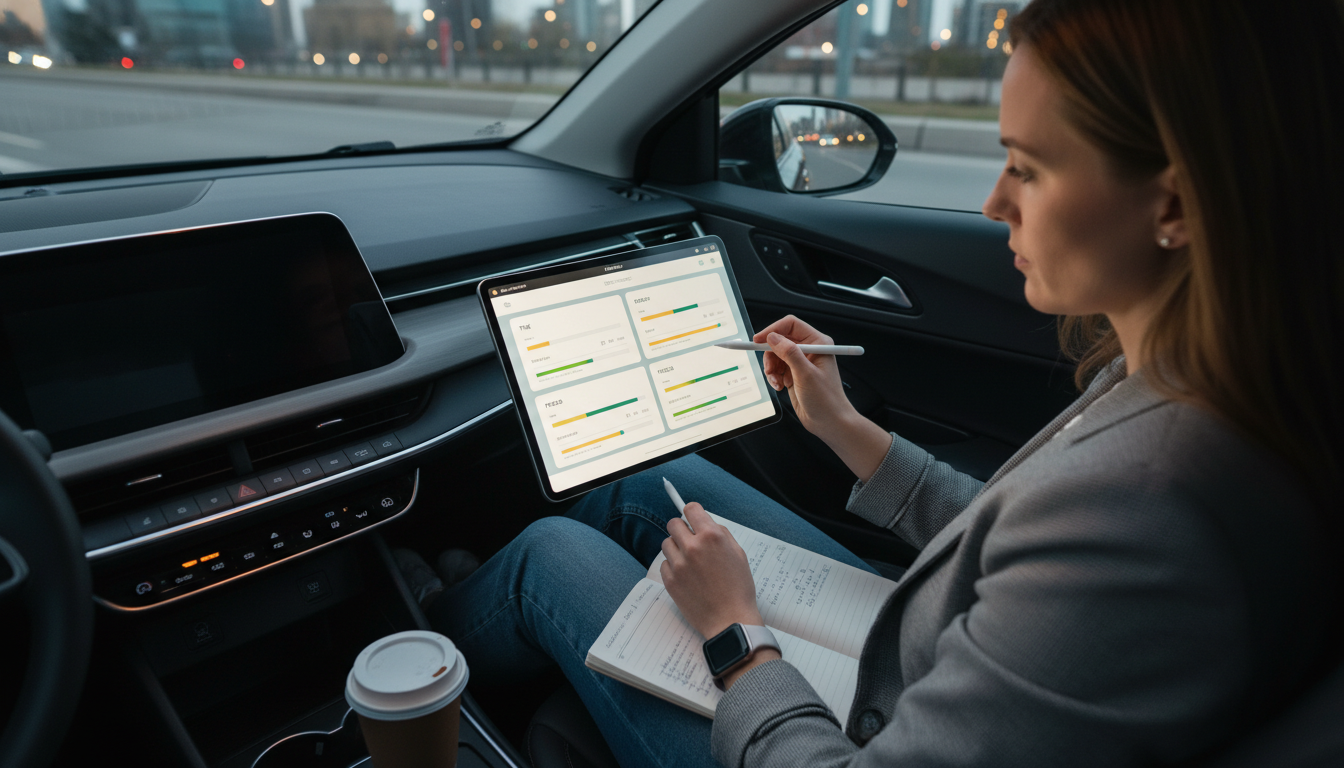
What should I track daily to understand my work-life balance (time, energy, focus, or tasks)?
Track all four—time, energy, focus, and tasks—but keep it lightweight so you can stick with it. Time shows where your day goes, tasks reveal what you actually produced, focus tells you how mentally available you were, and energy highlights whether your routine is sustainable. Together, they explain not just “how busy” you were, but whether your work is crowding out recovery and personal life.
Answer
Start with time: where your day is actually spent
Log your day in 30–60 minute blocks and label the category (deep work, meetings, admin, personal, family, exercise, downtime, sleep). If you only track one thing, track time—because it exposes hidden drains (context switching, long meetings, scattered errands) and shows whether personal time is protected or constantly “borrowed.”
Add energy: the early warning signal
Rate your energy 2–3 times daily (morning, mid-afternoon, evening) on a simple 1–5 scale. Note quick drivers when energy is unusually high or low (sleep quality, food, movement, stress, social load). Energy tracking helps you catch patterns like consistently depleted evenings or “weekend recovery” that signals an overloaded week.
Track focus: how much of your work was actually workable
Use a single daily focus score (1–5) or count uninterrupted focus blocks (e.g., number of 25–50 minute sessions). Low focus with high time-on-task often means your schedule is fragmented, your workload is too reactive, or you’re working when your brain isn’t at its best.
Track tasks: outcomes, not just activity
Write down 1–3 key outcomes completed (not every micro-task). Then record what felt “unfinished” that’s still weighing on you. This keeps your balance check grounded in reality: it’s possible to work long hours and still feel stuck if the right tasks aren’t moving.
For a practical way to combine these signals into a simple daily system, see the full guide: AI Work-Life Balance Tracker: Time, Energy, and Focus.
FAQ
How do I know if my work-life balance is improving week to week?
Compare weekly averages: total work hours, average energy/focus scores, and how many evenings felt truly “off.” Improvement usually looks like steadier energy, fewer after-hours work blocks, and more consistent progress on top priorities.














Leave a comment