

Remote Management Skills: Lead Distributed Teams Well
What skills are needed for remote management?
Remote management takes more than translating in-office habits to Zoom. The best remote managers combine clear communication, strong systems, and a people-first approach that keeps work moving while maintaining trust and energy across time zones.
1) Clear, written communication
Remote teams run on writing: project briefs, decision notes, and updates that reduce back-and-forth. Skilled remote managers set expectations in plain language, choose the right channel for the message, and document decisions so no one is left guessing.
2) Goal-setting and prioritization
When everyone is distributed, “busy” can look like progress. Effective remote managers translate business priorities into measurable outcomes, define what “done” means, and keep a short list of high-impact work visible to the team.
3) Trust-building and accountability
Micromanagement breaks remote culture fast. Strong remote managers focus on outcomes, not activity tracking, and create lightweight accountability through regular check-ins, shared dashboards, and consistent follow-through on commitments.
4) Facilitation and meeting design
Remote meetings need structure: a purpose, agenda, roles, and a decision path. Skilled managers know when to meet live versus async, how to pull in quieter voices, and how to close meetings with clear owners and next steps.
5) Coaching and feedback
Without hallway conversations, performance issues can linger. Remote managers give timely, specific feedback, coach through obstacles, and recognize wins publicly to reinforce the right behaviors and maintain motivation.
6) Team engagement and energy management
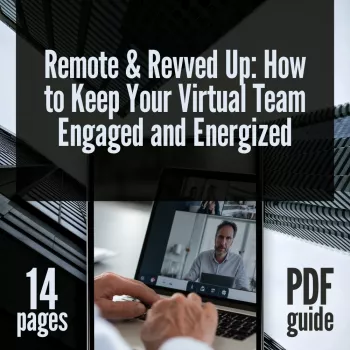
Remote work can feel isolating, especially during high-stress sprints. Managers need the skills to spot disengagement early, maintain team rhythms, and create moments of connection that don’t feel forced. For practical tactics to keep momentum strong, see the full guide here: Remote team engagement playbook.
For Remote Management Skills: Lead Distributed Teams Well, the best answer depends on fit, material, care instructions, and how the product will be used day to day.
FAQ
How do you keep a remote team motivated without micromanaging?
Set clear outcomes, give people ownership over how they deliver, and keep progress visible with simple status updates. Pair that autonomy with regular coaching and recognition so accountability feels supportive, not controlling.













Leave a comment