

18/10 vs 316 Stainless Steel: Which Should You Choose?

Which is better: 18/10 or 316 stainless steel?
Neither is universally “better”—it depends on where and how the steel will be used. For everyday kitchen tools like mixing bowls, 18/10 stainless steel is usually the practical sweet spot, while 316 stainless steel is the upgrade for harsher, more corrosive conditions.
What 18/10 stainless steel really means
“18/10” describes the alloy mix: about 18% chromium and 10% nickel. This formulation is commonly associated with 304 stainless steel, a go-to choice for cookware because it resists rust, cleans up well, and holds up to regular mixing, whisking, and dishwasher cycles. It’s also widely available and typically more affordable than 316.
Why 316 stainless steel can outperform it
316 stainless includes molybdenum in addition to chromium and nickel. That extra element significantly improves resistance to corrosion from salt and certain acids. In real life, 316 is often preferred for marine environments, medical applications, and equipment exposed to saltwater, strong brines, or aggressive cleaners.
Which one is better for mixing bowls?
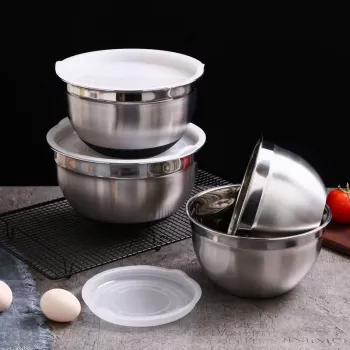
For most home kitchens, 18/10 is an excellent choice: it’s durable, attractive, and plenty corrosion-resistant for batters, doughs, salads, and typical food prep. If you frequently work with very salty mixtures, acidic ingredients left sitting for long periods, or you want the maximum corrosion resistance available in common stainless grades, 316 may be worth the added cost.
Quick decision guide
Choose 18/10 when you want dependable everyday performance and value. Choose 316 when your kitchen routine or environment is unusually tough on metal—think coastal humidity, heavy salt exposure, or demanding commercial-style cleaning.
For more details on selecting the right bowl material, shapes, and features, visit this stainless steel mixing bowls guide.
For 18/10 vs 316 Stainless Steel: Which Should You Choose?, the best answer depends on fit, material, care instructions, and how the product will be used day to day.
FAQ
Is 18/10 stainless steel safe for food contact?
Yes. 18/10 stainless steel is widely used for food prep and cookware because it’s non-reactive for most ingredients, durable, and easy to clean when properly cared for.












Leave a comment