

High-Efficiency Example: A 3000W Commercial Grain Mill
What is an example of high-efficiency?
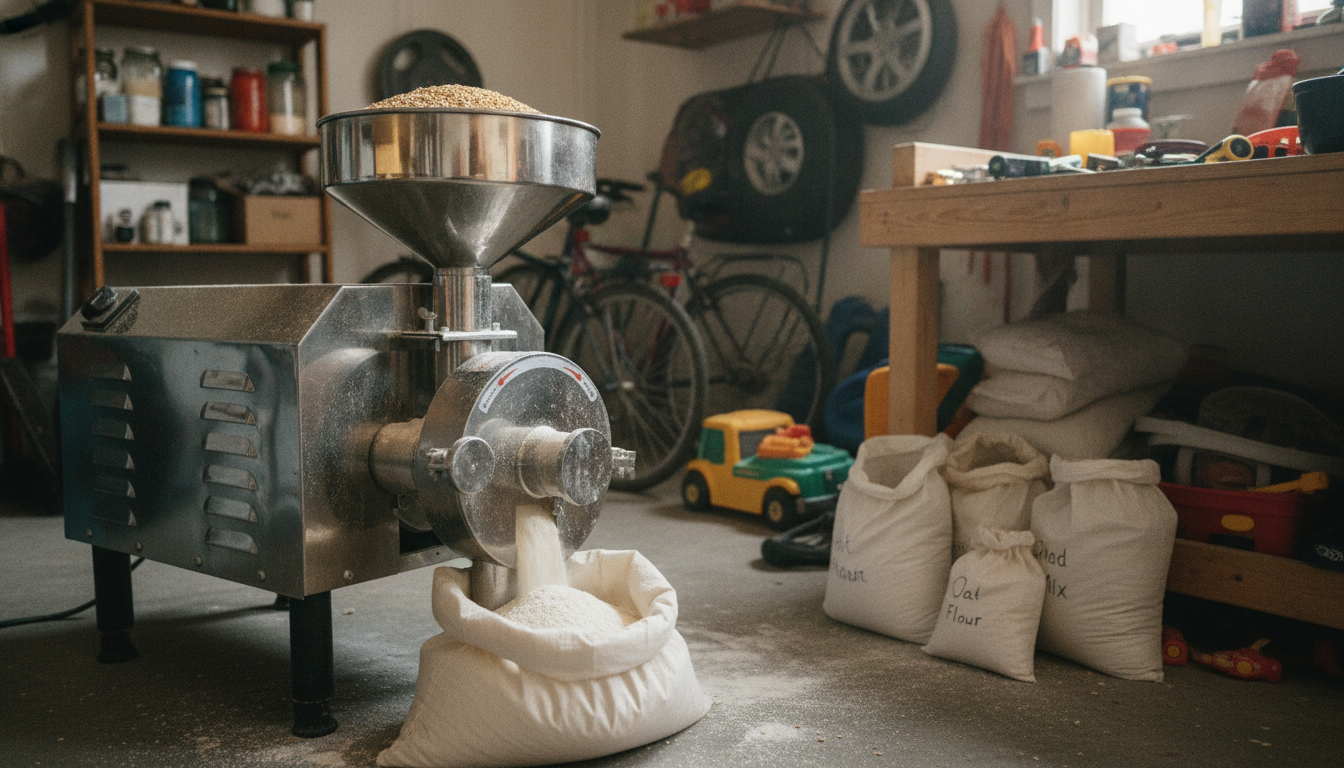
A simple example of high-efficiency is a commercial grain mill that produces a lot of flour quickly while wasting very little energy, time, or raw grain. In practical terms, that looks like a high-watt motor that maintains steady speed under load, sharp milling surfaces that grind consistently, and a design that reduces rework—so fewer batches need to be re-milled or sifted multiple times.
Example: A high-powered grain mill set up for fast, consistent flour
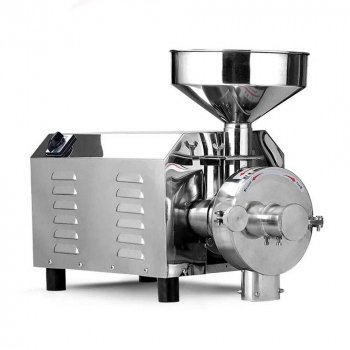
Imagine a bakery prepping flour for bread service. A high-efficiency setup is one where whole grains go in, and uniform flour comes out at a high output rate with minimal stopping, overheating, or clumping. A 3000W commercial grain mill is a good example because it can keep torque and throughput stable even when processing harder grains or running back-to-back batches.
What makes this “high-efficiency” in everyday use?
High-efficiency shows up as measurable results: faster milling time per pound, fewer interruptions, and less waste. Instead of nursing an underpowered grinder that bogs down, a high-efficiency mill keeps the workflow moving—especially when you need consistent flour texture for predictable dough hydration and fermentation.
Where the efficiency comes from
Efficiency isn’t just “more power.” It’s the combination of power, consistent grind performance, and a user-friendly process. Features that support high-efficiency milling typically include a robust motor, stable operation for continuous runs, adjustable fineness for different recipes, and a build that’s easy to clean so downtime stays low.
For a detailed, real-world look at how a high-output mill supports fast and consistent flour prep, see the full guide here: https://hovira.com/guide-3000w-commercial-grain-mill-fast-consistent-flour-prep/.
FAQ
What grains can you mill with a 3000W commercial grain mill?
Many models can handle common grains like wheat, rice, corn, and other dry grains, with performance depending on hardness and moisture content. For best results, use clean, dry grain and follow the manufacturer’s guidance for specific materials.











Leave a comment