

Commercial Building Energy Tax Credit: 179D Explained
What is the energy efficiency tax credit for commercial buildings?
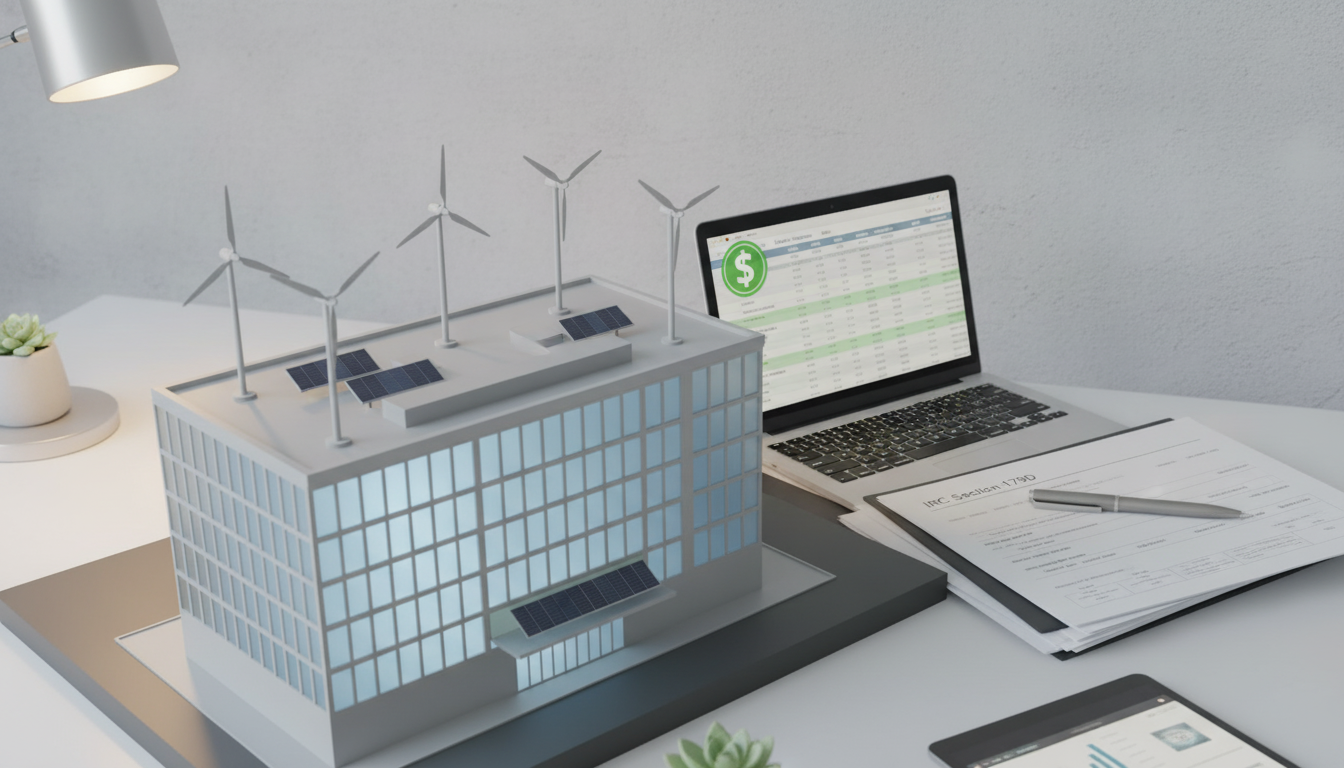
The energy efficiency tax credit for commercial buildings generally refers to federal tax incentives that reward investments in building upgrades that reduce energy use. For many businesses, the most common benefit is the Section 179D deduction (often discussed as a “commercial building energy efficiency” incentive), which can lower taxable income when qualified energy-saving improvements are installed in a commercial building.
Unlike a simple consumer-style credit, commercial incentives may work as a deduction tied to measurable performance improvements (such as reduced energy and power costs) and must meet specific technical standards. Eligible projects commonly include upgrades to interior lighting systems, HVAC/hot water systems, and the building envelope (like roofs, insulation, and windows), depending on how the project is designed and documented.
How the commercial building energy incentive is typically claimed
To claim a commercial energy incentive, documentation matters. The IRS rules generally require that the efficiency improvements be verified using approved methods and that the taxpayer maintain records showing what was installed, when it was placed in service, and how it meets the qualifying criteria. In many cases, a third-party certification is involved to substantiate energy savings against a reference standard.
Project timing and ownership structure also affect who can claim the benefit. Building owners may qualify, and in certain situations designers of energy-efficient property (such as architects, engineers, or contractors working on public buildings) can be allocated the deduction.
Why energy efficiency improvements can be a smart operational move
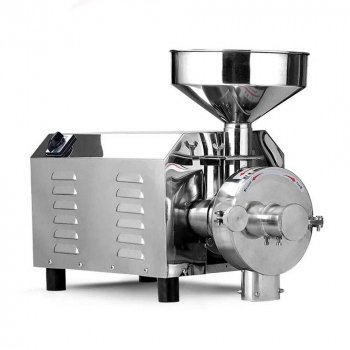
Beyond taxes, energy upgrades can cut utility bills, reduce downtime from aging equipment, and improve comfort and consistency in commercial spaces. Efficiency-minded operators often take the same approach to equipment selection: prioritize performance, reliability, and long-term operating cost. For a practical example of upgrading commercial operations with high-output equipment, see this guide to a 3000W commercial grain mill for fast, consistent flour prep: https://hovira.com/guide-3000w-commercial-grain-mill-fast-consistent-flour-prep/.
FAQ
What is an energy efficient building property?
It generally means building components or systems installed in a commercial building that meet defined energy performance standards, often covering lighting, HVAC/hot water, and the building envelope.
What is energy efficient commercial buildings deduction attach form 7205?
Form 7205 is used to support certain energy efficiency deduction claims by reporting required project and certification details, helping substantiate eligibility under the applicable IRS rules.
What can you deduct for energy efficiency?
Businesses may be able to deduct qualifying costs for energy-saving improvements such as efficient lighting, HVAC/hot water upgrades, and building envelope enhancements, as long as the project meets the program’s technical requirements and documentation rules.












Leave a comment