

How to Warm Up Your Engine Faster and Safely
How do I make my engine heat up faster?
On a cold morning, the best way to bring your engine up to operating temperature is usually to start it, give it a brief moment for oil to circulate, and drive gently. Light driving warms the engine faster than leaving it idling in the driveway. Keep acceleration moderate and avoid high RPM until the temperature gauge reaches its normal range.
What should you do while the engine is warming up?
Start by clearing all windows so you can see. If you need the defroster, use it—visibility matters more than shaving a little time off warm-up. Then drive at an easy pace rather than revving the engine while parked. You do not need to wait for the cabin heater to blow hot air before setting off, as long as your windows are clear and the vehicle is running normally.
Cold weather can make warm-up take longer, especially on a short trip. If your vehicle has an engine block heater and an appropriate outdoor-rated connection, using it as directed can help before startup. We would not recommend covering the radiator or placing anything in the engine bay to trap heat; those shortcuts can interfere with cooling or create a fire hazard.
When is slow warm-up a sign of a problem?
If the temperature gauge stays unusually low after a normal drive, or your cabin heat remains weak, a thermostat stuck open may be letting coolant circulate too soon. Low coolant can also affect heater performance, though it may come with other symptoms. Have a technician diagnose the cause rather than replacing parts based on the gauge alone.
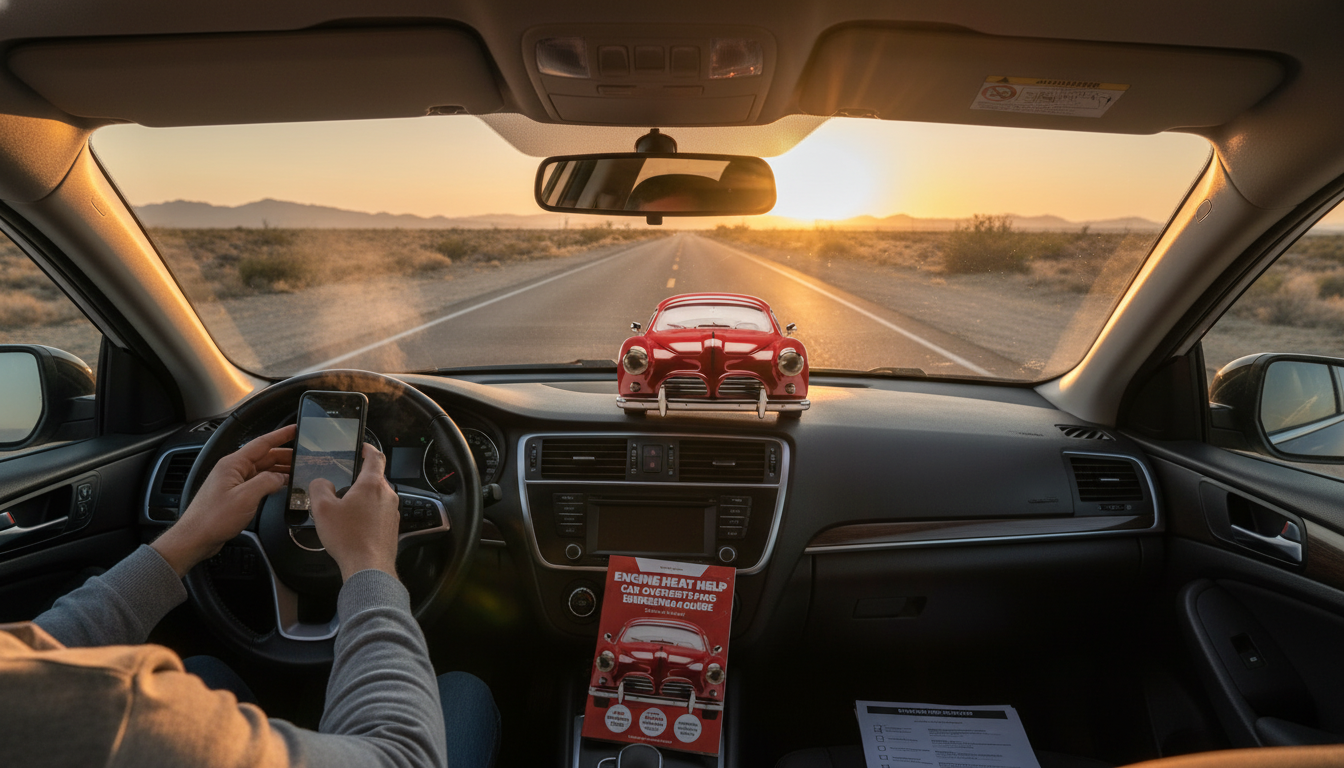
Only inspect the coolant level when the engine is fully cool, and use the coolant specified for your vehicle. Never remove a hot radiator or pressurized coolant cap. If the gauge climbs above its normal range, you see steam, or a temperature warning appears, stop trying to warm the engine and address the overheating instead. Our roadside overheating guide walks you through safer next steps.
Our team’s rule of thumb is simple: warm the engine with gentle driving, keep your view clear, and treat a persistent temperature problem as a repair issue—not a reason to idle longer.
FAQ
Is it safe to drive when the temperature gauge stays cold?
If the gauge remains cold after a normal drive, arrange an inspection, especially if the heater is also weak or a warning light appears. Drive gently in the meantime, and do not continue driving if the engine begins to overheat.













Leave a comment