

Heating Food in Ceramic Bowls: Microwave & Oven Safety
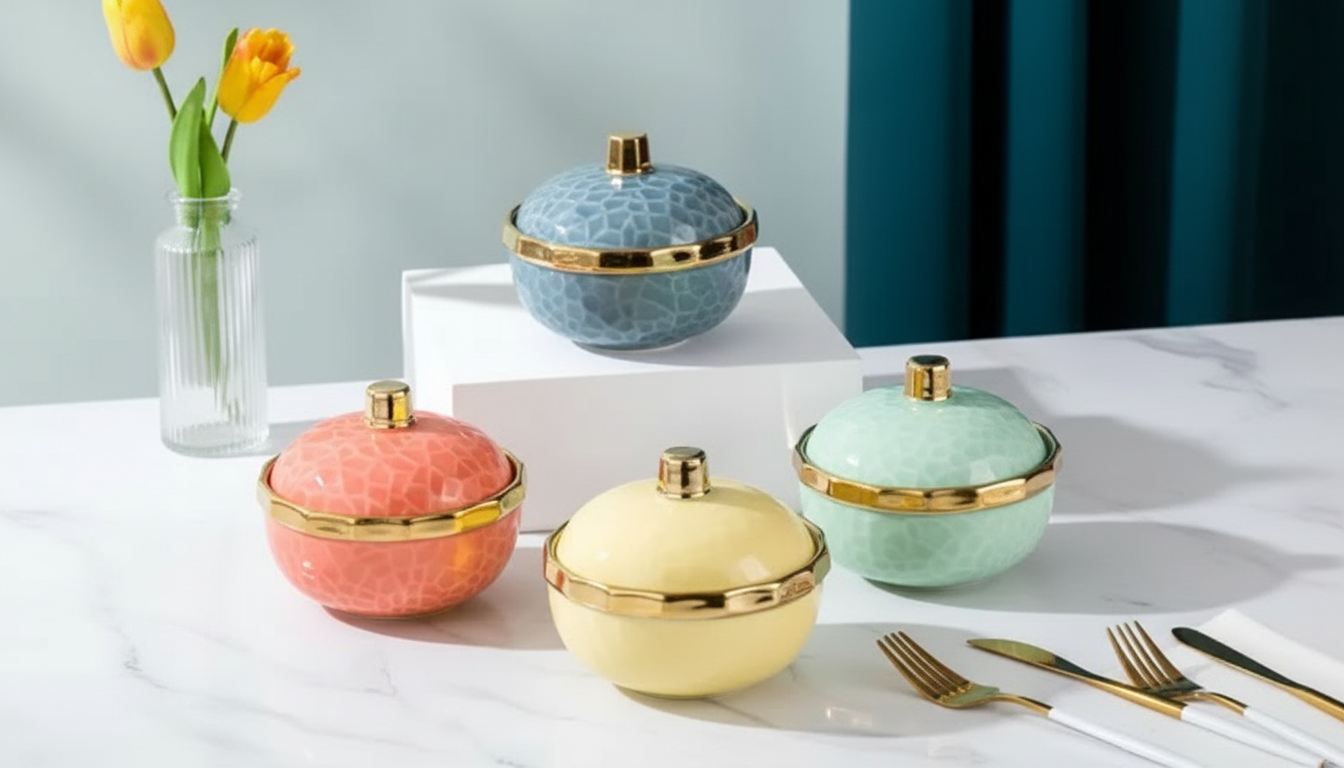
Can you heat up food in a ceramic bowl?
Yes—food can usually be heated in a ceramic bowl, as long as the bowl is made for high heat and doesn’t have metallic paint, gold/silver trim, or visible cracks. Most everyday ceramic and porcelain bowls are designed to handle hot foods and reheating, but “ceramic” covers a wide range of materials and finishes, so a quick safety check matters.
What makes a ceramic bowl safe for heating?
Look for labels such as “microwave-safe,” “oven-safe,” or “heat-resistant.” If the bowl came with care instructions, follow those first. Glazed ceramics that are food-safe and intact tend to reheat well, while decorative pieces or handmade bowls with unknown glazes may not be suitable for high heat.
Microwave vs. oven: what to watch out for
In a microwave, ceramics can get hot fast—sometimes hotter than the food—especially if the bowl has absorbed moisture over time. Use oven mitts and let it rest briefly before handling. In an oven, thermal shock is the bigger risk: don’t move a cold ceramic bowl straight into a hot oven, and don’t place a hot bowl on a cold or wet surface. Gradual temperature changes help prevent cracking.
Signs you should not heat a ceramic bowl
Avoid heating if you notice hairline cracks, chips, or a crazed (web-like) glaze, since moisture can seep in and weaken the piece. Skip bowls with metallic accents, as they can spark in the microwave. If a bowl has an unknown origin or no safety markings, test cautiously with short heating intervals or choose a clearly labeled heat-safe option.
For a deeper look at choosing a heat-friendly soup pot and serving bowl (especially for noodles, eggs, and stews), see this porcelain soup pot guide.
FAQ
How can you tell if a ceramic bowl is microwave-safe?
Check the bottom for “microwave-safe” text or an icon, and review any packaging or manufacturer details. If there’s metallic trim or the bowl is purely decorative, it’s safer to avoid microwaving it.











Leave a comment