

Porcelain vs Ceramic: 5 Easy Ways to Tell the Difference
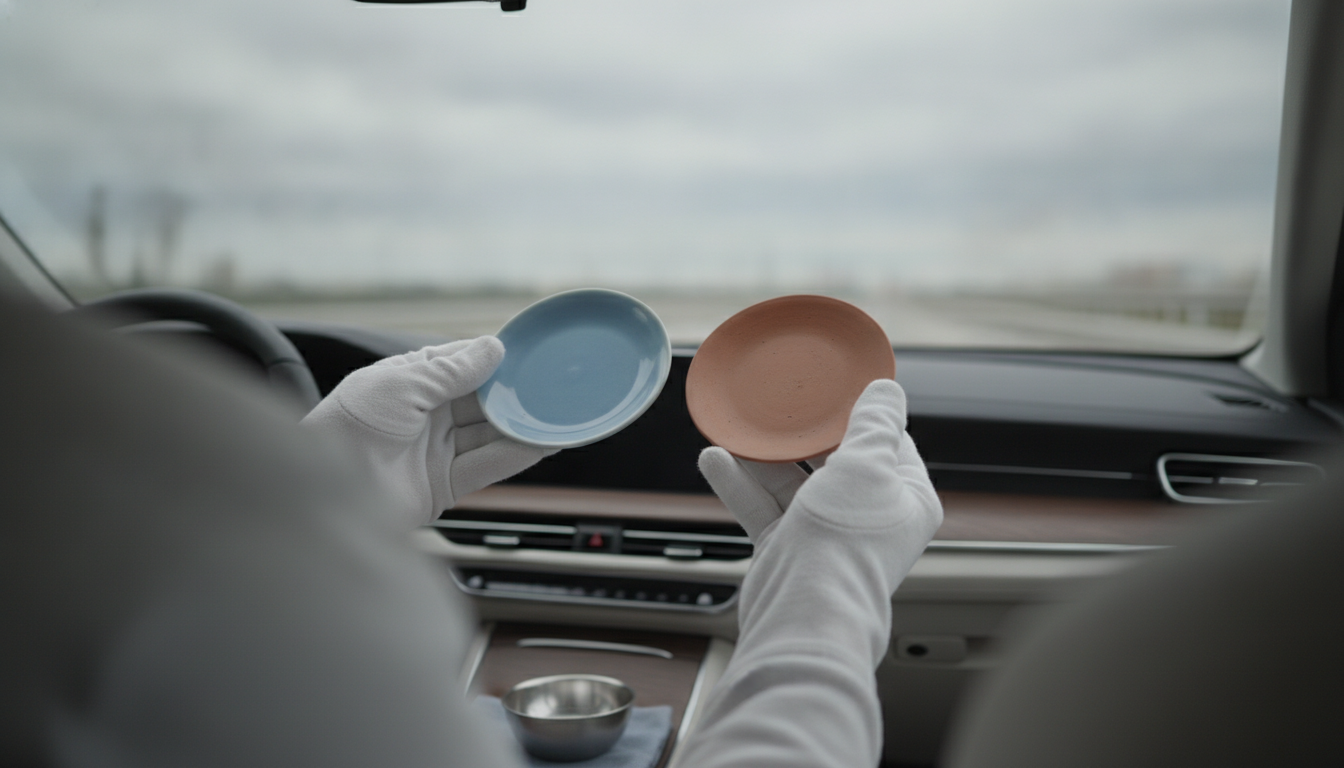
How can I tell if something is porcelain or ceramic?
Porcelain is a type of ceramic, but it’s made from finer materials and fired at higher temperatures, so it ends up denser, less porous, and usually more refined in feel and sound. If an item isn’t labeled, a few quick checks can help you make a solid guess.
Check the weight and thickness
Porcelain is often thinner and lighter for its size because it can be made strong even with slimmer walls. Many everyday ceramics (like earthenware or some stoneware) feel bulkier and thicker, especially around rims and handles.
Hold it up to bright light
Many porcelain pieces are slightly translucent when you shine a strong light through a thin area (like the rim of a cup). Most standard ceramic pieces are more opaque. This isn’t foolproof—some stoneware can be thin, and some porcelains are heavily glazed or colored—but translucency is a strong clue.
Listen to the ring
Gently tap the item with a fingernail or a wooden utensil. Porcelain typically makes a clear, bell-like ring, while many other ceramics sound duller or more muted. Avoid tapping hard, especially on vintage or delicate pieces.
Look closely at the surface and unglazed areas
Porcelain usually has a very smooth, glassy finish and a tight, refined look. If there’s an unglazed foot ring on the bottom, porcelain often appears bright white and fine-grained. More porous ceramics may look chalkier, grainier, or slightly tan or reddish underneath.
Consider how it’s used in cookware
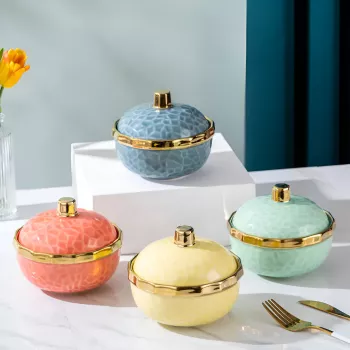
Porcelain is popular for lidded soup pots and noodle bowls because it holds heat well, resists staining, and cleans easily. For a deeper dive into how porcelain performs in the kitchen (and what to look for in a lidded soup pot), see this porcelain soup pot guide.
FAQ
Is stoneware the same as porcelain?
No. Stoneware is a ceramic fired to be durable and less porous than earthenware, but it’s typically more opaque and less refined than porcelain, with a heavier feel and a less “ringy” sound.











Leave a comment