

1:20 Scale RC Dump Truck Guide: Features, Driving & Care
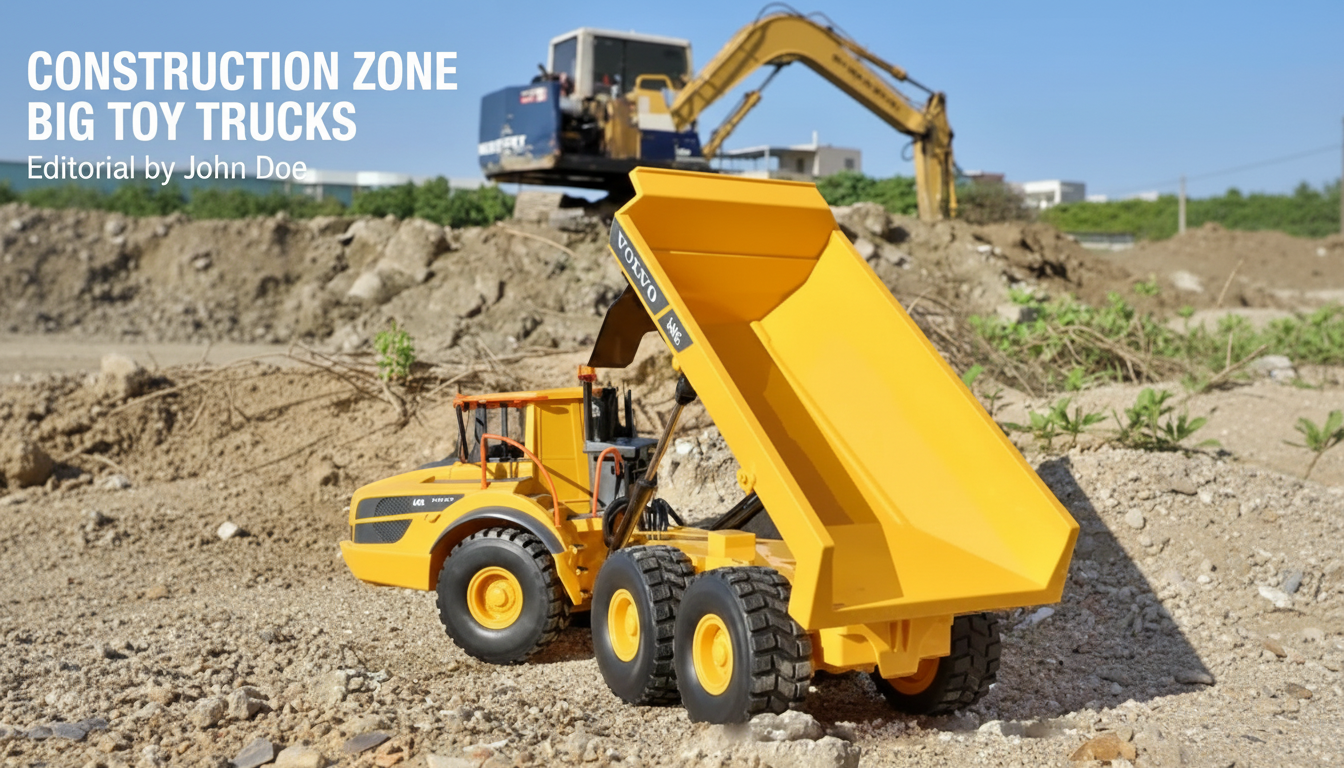
1:20 Scale Remote Control Dump Truck: Big Jobsite Energy in a Manageable Size
A scale remote control dump truck brings jobsite-style play to the driveway, sandbox, or hobby bench—complete with realistic hauling and dumping action. This guide breaks down key features, everyday performance, and care tips, plus a quick spec snapshot for easy comparison.
What a scale dump truck adds to RC play
A dump truck changes the whole rhythm of RC driving. Instead of simply circling around, you get a repeatable “task loop”: load, drive, tip, reset. That simple loop keeps attention longer—especially when there’s a pile to move and a “site plan” to follow.
Scale styling also makes the experience feel closer to a real construction vehicle than a standard RC car. The proportions, bed shape, and work-truck vibe encourage role-play setups with cones, small ramps, and DIY jobsite layouts made from cardboard, boards, or patio pavers.
Used safely and appropriately, a 1:20 class dump truck pairs well with sand, small gravel, mulch, and other lightweight yard materials. It’s a fun way to keep hands busy outdoors—just keep loads small and dry so the truck can do its job smoothly.
Standout features to look for
Not every RC dump truck feels the same, even at the same scale. A few practical features can make daily use noticeably easier and more durable.
- Dump bed lift with controlled lowering: A bed that raises steadily and comes down predictably makes unloading repeatable and less chaotic.
- Stable chassis and grippy tires: Traction and stance matter more than speed when you’re carrying a load over uneven ground.
- Responsive steering: A turning radius that works in tighter spaces (driveways, patios, small yards) keeps play from feeling cramped.
- Durable materials and protected components: Bumps, curb taps, and tip-overs happen—strong body panels and guarded bits help reduce downtime.
- Easy battery access: Quick swaps mean more running and less waiting, especially during longer outdoor sessions.
Quick specs and purchase snapshot
The 1:20 class format hits a “sweet spot” for many households: large enough to feel substantial outside, but compact enough to stash on a shelf between sessions. It’s best suited for hauling small, lightweight materials and general construction-themed driving. Since availability and pricing can change, confirm current listing details before checkout.
| Item | Details |
|---|---|
| Product | 1:20 Scale Remote Control Dump Truck |
| Price | $316.67 USD |
| Availability | In stock |
| Product page | https://hovira.com/120-scale-remote-control-dump-truck/ |
Driving feel and everyday performance
For a dump truck, low-speed control matters more than top speed. Smooth throttle helps prevent spills, keeps the truck from fishtailing under load, and makes it easier to line up with a “loading zone” or a target dump spot. If you’re used to RC cars that want to sprint, a slower, more deliberate driving style will feel more realistic—and it usually looks better in action, too.
Weight distribution affects stability. When possible, keep heavier material centered in the bed rather than piled high on one side. If the terrain is bumpy, a lighter load will often travel farther than a heavy load that forces constant resets.
Surface choice changes traction dramatically. Packed dirt and short grass typically outperform loose sand or deep gravel, where tires can dig in and waste power. A good habit is to do a couple short practice runs with no load to dial in steering response, braking distance, and how the truck behaves when you reverse and realign.
Dumping technique for cleaner unloading
A neat unload is part technique and part setup. If you can, make a simple “dump zone” with a small berm or use a gentle incline so material doesn’t scatter too far. A defined zone makes it easier to reload and repeat the loop without turning your whole yard into a spill field.
- Raise the bed slowly: A gradual lift helps prevent sudden slides that can tip the truck or strain the lift mechanism.
- If material sticks: Lower the bed, reposition the truck, and try a smaller load rather than forcing the lift or shaking aggressively.
- Avoid wet, clumping soil: It increases sticking and adds unnecessary weight, which can stress moving parts.
Battery care and charging habits
Store batteries in a dry, temperate place and avoid leaving them in a hot car or direct sunlight. If a battery shows swelling, unusual heat, odor, or visible damage, stop using it immediately and replace it. For broader safety guidance, review NFPA lithium-ion battery safety and follow local disposal rules.
Maintenance checklist for longer lifespan
Safety and responsible use
Adult supervision is recommended for younger users, especially during charging. For additional toy safety information and recall guidance, refer to the U.S. Consumer Product Safety Commission (CPSC) toy safety resources. Since RC vehicles are radio devices, the FCC equipment authorization overview is also a helpful reference for understanding how wireless products are regulated.
More in-stock picks on Hovira
- Women’s Abstract Print Loose Hoodie
- Modern Glass Storage Jar with Golden Butterfly – Elegant Home Decor
- Ultrasonic Skin Scrubber Deep Face Cleaning Machine
FAQ
What materials can an RC dump truck carry safely?
Stick to lightweight, dry materials like sand, small pebbles, or mulch in modest amounts. Avoid wet soil, large rocks, and sharp or heavy items that can strain the bed lift, dent the bed, or damage tires.
How long does it take to get used to dumping without spilling?
Usually just a few short practice runs. Start with smaller loads, accelerate and brake gently, and lift the bed gradually over a designated dump zone to build consistency.
How should the battery be stored between uses?
Store it in a cool, dry place away from direct sunlight and high heat, and follow the included charger guidance. Discontinue use if you notice swelling, overheating, unusual odor, or visible damage.













Leave a comment