

Barrier-First Skincare Routine for Dry, Sensitive Skin
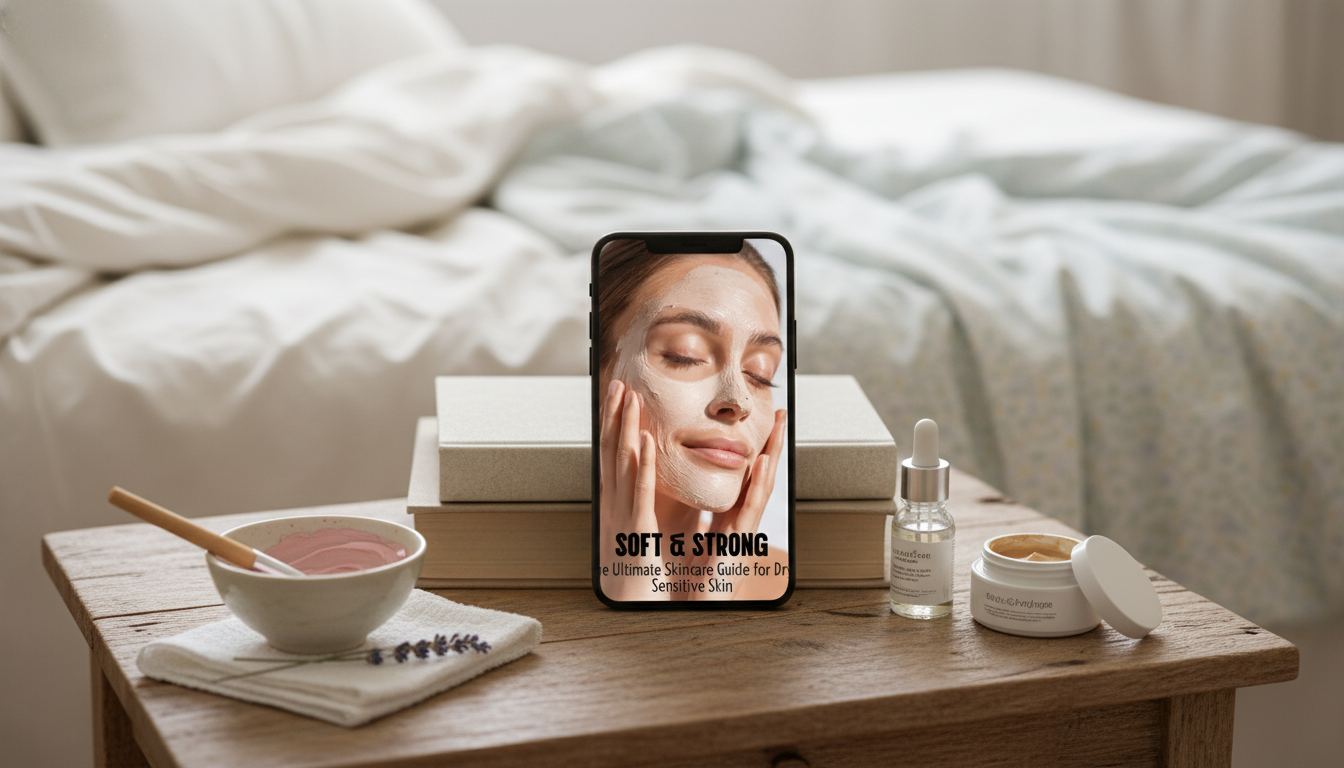
Soft & Strong: A Barrier-First Routine for Dry, Sensitive Skin
Dry, sensitive skin usually reacts because its barrier is under strain: water escapes more easily, irritants penetrate faster, and even “gentle” products can sting. The goal is a routine that reduces triggers, restores comfort, and builds resilience with fewer steps, smarter ingredients, and consistent habits. If you’ve been stuck in a cycle of tightness, flakes, and flare-ups, a barrier-first approach can help you get back to steady, predictable skin days.
What Dry, Sensitive Skin Often Needs Most
- A calm, low-foaming cleanse that removes debris without leaving tightness
- Immediate replenishment after washing to reduce moisture loss
- Barrier-supporting ingredients (ceramides, glycerin, petrolatum, dimethicone, colloidal oatmeal) used consistently
- Fewer variables: stable formulas, limited fragrance, and a short routine that’s easy to repeat
- Daily sun protection to prevent inflammation and further barrier disruption
Dryness isn’t just “lack of oil.” It often reflects a compromised barrier that can’t hold onto water well. Support the barrier, and sensitivity often becomes easier to manage. For practical self-care tips, the American Academy of Dermatology Association’s dry skin guidance aligns closely with this simple, protective strategy.
Common Triggers That Make Dry, Sensitive Skin Flare
- Over-cleansing: hot water, long showers, harsh surfactants, and double-cleansing when not needed
- Over-exfoliation: frequent acids, scrubs, peels, and “tingly” actives that compromise the barrier
- Fragrance and essential oils: pleasant scent can still be irritating for reactive skin
- Alcohol-heavy or astringent products that increase dryness and sting
- Environmental stressors: cold wind, low humidity, indoor heating, and aggressive towel-drying
- Too many new products at once, making it hard to identify what caused irritation
Sensitivity is often cumulative. A product that feels “fine” once can become irritating when combined with hot showers, winter air, and a second active ingredient. If you’re unsure what’s driving a rash-like reaction, resources like the Cleveland Clinic overview of contact dermatitis can help you recognize patterns worth discussing with a clinician.
A Simple Daily Routine (AM/PM) That Prioritizes Comfort
Morning (AM)
- Rinse with lukewarm water, or use a gentle cleanser only if needed.
- Pat-dry and leave skin slightly damp (don’t aim for squeaky clean).
- Moisturize right away.
- Apply broad-spectrum sunscreen.
Evening (PM)
- Cleanse gently to remove sunscreen and buildup.
- Moisturize immediately after cleansing.
- Add an occlusive layer (as needed) to seal in hydration, especially during flares or winter.
Keep actives optional: introduce one at a time and only when skin feels stable for 2–3 weeks. Use the “less burn, more buffer” rule: if it stings on healthy skin, it’s not a good fit right now. Aim for consistency over novelty; the barrier improves with repetition, not frequent switching.
| Step | Goal | What to look for | What to avoid when sensitive |
|---|---|---|---|
| Cleanse | Remove sweat, sunscreen, and pollutants without stripping | Creamy or low-foam cleanser; lukewarm water; short contact time | Hot water, squeaky-clean feel, strong foaming surfactants, harsh scrubs |
| Moisturize | Rehydrate and support the barrier | Humectants (glycerin), emollients, ceramides, soothing agents (colloidal oatmeal) | Strong fragrance, frequent exfoliating acids in the same step |
| Seal (optional) | Reduce moisture loss overnight or during flares | Occlusives like petrolatum or dimethicone used sparingly | Applying heavy occlusion over irritating actives or broken skin without guidance |
| Protect | Prevent UV-driven inflammation and dryness | Broad-spectrum SPF; comfortable texture that doesn’t sting | Skipping SPF on cloudy days; reapplying only “when sunny” |
How to Choose Products When Skin Reacts Easily
- Start with the minimum viable routine: cleanser, moisturizer, sunscreen; add extras only after comfort returns.
- Patch test on a small area for several days; then expand slowly (one new item every 1–2 weeks).
- Prefer fragrance-free and dye-free when possible; a short ingredient list can reduce unknowns.
- For moisturizers: choose a balanced formula with humectants + emollients; add occlusion only if dryness persists.
- For cleansers: prioritize “non-stripping” feel; tightness after washing is a red flag.
- For actives (only when stable): consider low-dose niacinamide or azelaic acid; avoid stacking multiple actives.
- If sunscreen stings: try mineral filters or alternative textures and always apply over moisturizer.
- When in doubt, simplify again; irritation is often cumulative.
If you suspect eczema-driven dryness, learning how barrier impairment contributes to symptoms can be helpful; the National Eczema Association’s explanation of the skin barrier is a useful primer.
Weekly Care: Gentle Exfoliation and Barrier Recovery
- If flaky, prioritize hydration first; many flakes improve with moisturization and gentle cleansing.
- Exfoliation is optional: once every 7–14 days at most, and only when skin is calm.
- Choose mild options: low-strength lactic acid or very gentle enzyme-based exfoliation; stop if stinging occurs.
- Barrier nights: cleanser + rich moisturizer + light occlusive; skip actives entirely.
- Humidifier support can help in dry climates or heated indoor environments.
When to Pause Actives and Get Extra Help
A Practical Skincare Checklist for Dry, Sensitive Skin
FAQ
Why does moisturizer sometimes sting on dry, sensitive skin?
When the skin barrier is disrupted, tiny gaps allow irritating ingredients to penetrate more easily and exposed nerve endings can feel burny or sharp. Pause actives, apply moisturizer to slightly damp skin, and switch to a simpler, fragrance-free formula; if stinging persists or redness worsens, seek professional guidance.
Is hyaluronic acid enough for very dry, sensitive skin?
Usually not on its own. Hyaluronic acid is a humectant that helps attract water, but very dry skin typically needs emollients and sometimes an occlusive layer to reduce water loss—especially in low humidity.
How long does it take to repair a damaged skin barrier?
Many people notice improvement in 2–6+ weeks, depending on how irritated the skin is and whether triggers are still present. Consistency with gentle cleansing, daily moisturization, and avoiding irritants typically matters more than adding more steps.












Leave a comment