
Green Shirt Summer Styling: Casual-Chic Outfit Ideas
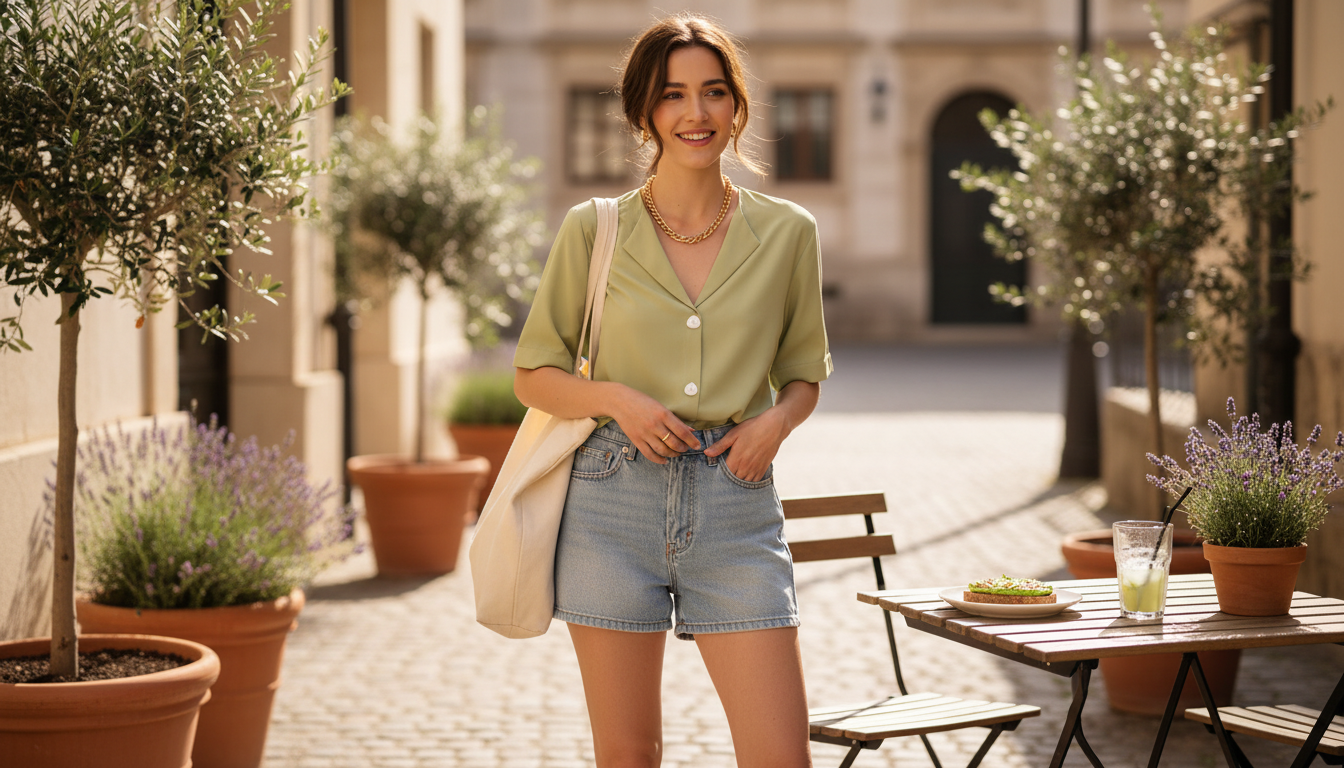
A crisp green shirt can do the work of a whole outfit: it looks put-together, feels light for heat, and adapts to everything from daytime errands to sunset dinners. The key is choosing a breathable fabric, a flattering cut, and styling details that keep the look relaxed while still refined.
What Makes a Shirt Feel “Casual Chic” in Summer
“Casual chic” is the sweet spot between easy and elevated—especially when temperatures climb. A green shirt hits that balance naturally, since the color reads fresh and intentional without feeling loud.
- Breathability first: lightweight weaves and airy fibers help the shirt drape without clinging.
- Relaxed structure: a slightly roomy fit reads effortless while still looking intentional.
- Polished details: a neat collar, clean placket, and well-finished cuffs elevate the look.
- Color impact: green brings freshness and pairs easily with neutrals, denim, and natural textures.
- Versatility: works tucked, half-tucked, open as a light layer, or tied at the waist.
Fabric matters as much as styling. Natural fibers like cotton and linen are prized for warm-weather comfort because they allow airflow; for a quick background on common textile types, see Encyclopedia Britannica’s overview of textile fibers and fabrics.
How to Choose the Right Summer Shirt
A summer green shirt should feel comfortable in real life: walking outside, sitting at lunch, or commuting. A few checkpoints make the choice easier—whether the look is crisp and tailored or soft and relaxed.
- Fabric choice: prioritize cotton, linen, and breathable blends; avoid heavy synthetics in high humidity.
- Opacity and underlayers: check sheerness in daylight; plan for nude-toned undergarments or a lightweight camisole if needed.
- Fit checkpoints: shoulder seams should sit near the shoulder edge; the chest should close without pulling; the hem should allow easy movement when sitting.
- Length and styling flexibility: hip-length is easiest for tucking and half-tucks; longer lengths can double as a light overshirt.
- Sleeves: roll-tab or cuff-friendly sleeves add styling options and help regulate temperature.
- Care routine: if low-maintenance matters, choose fabrics that handle gentle machine washing and air-dry well.
If you’re unsure about a garment’s care requirements, a quick glance at the tag can prevent surprises—especially with blends and specialty finishes. The American Cleaning Institute’s laundry care symbol guide is a helpful reference.
Fabric and Feel: Quick Comparison for Hot Weather
Use the table below to match fabric behavior to climate and comfort preferences. For humid days, prioritize airflow over a perfectly crisp finish. For travel, look for blends that resist wrinkling while still feeling breathable.
| Fabric | Best For | Pros | Watch For |
|---|---|---|---|
| Linen | Hot, dry or humid climates | Maximum airflow, relaxed drape | Wrinkles easily; may feel slightly crisp at first |
| Cotton poplin | Polished daytime looks | Crisp, clean lines; breathable | Can feel structured; may show sweat in very high heat |
| Cotton voile/lawn | Very warm days | Lightweight and airy | Can be more sheer; needs careful washing |
| Lyocell/Tencel | Soft drape and comfort | Cool-to-touch feel; fluid movement | Can show water spots; follow care label |
| Poly blends | Low-wrinkle, budget-friendly options | Durable; often holds shape | May trap heat; check for ventilation |
Fit and Silhouette: Finding the Most Flattering Shape
Green is a forgiving, wearable color, but the silhouette is what turns a shirt into an outfit-maker. Aim for a fit that skims—not squeezes—so the fabric can move with you and stay breathable.
- Relaxed button-up: balances comfort with a sharp collar; ideal for half-tucks and rolled sleeves.
- Slightly cropped or tie-front options: define the waist and work well with high-rise bottoms.
- Overshirt styling: wear open over a tank or fitted tee for a light layer without bulk.
- If broad shoulders: consider softer fabrics and a gentle drop-shoulder; avoid overly stiff constructions.
- If fuller bust: look for enough button spacing to prevent gaping; consider sizing for the chest and tailoring elsewhere.
- If petite: keep the hem from overwhelming the frame; opt for a cleaner, less voluminous drape.
A quick mirror check that helps: raise your arms, sit down, and do a relaxed twist at the waist. If the shirt pulls tight across the buttons or rides up dramatically, sizing up (or choosing a different cut) will look more polished than forcing a snug fit.
Outfit Ideas: Ways to Style a Green Shirt All Summer
Green plays well with neutrals and earthy textures, so it’s easy to repeat without looking repetitive. Rotate silhouettes and accessories, and the same shirt can cover a full week of plans.
Care Tips to Keep the Color Fresh and the Fabric Comfortable
FAQ
What should be worn under a lightweight green shirt in summer?
A nude-toned seamless bra (close to your skin’s undertone) is usually the least visible option, especially in bright daylight. If the shirt is airy or slightly sheer, add a thin camisole or fitted tank in nude, cream, or white depending on the shirt’s opacity.
How can a button-up shirt look polished without feeling too formal?
Choose a relaxed fit in a breathable fabric, then style it with a half-tuck, rolled sleeves, and easy bottoms like linen pants or denim. Keep accessories simple—small hoops, a clean sandal or loafer, and a structured tote are often enough to make it feel finished.
How to reduce wrinkling when wearing linen or lightweight cotton?
Hang the shirt immediately after washing, smooth seams with your hands, and air-dry on a hanger to reduce deep creases. For a quick refresh, steam instead of pressing hard, and consider linen blends for travel when you want the look with less wrinkling.











Leave a comment