

Women’s Quartz Watch: Sapphire Crystal & Water Resistance
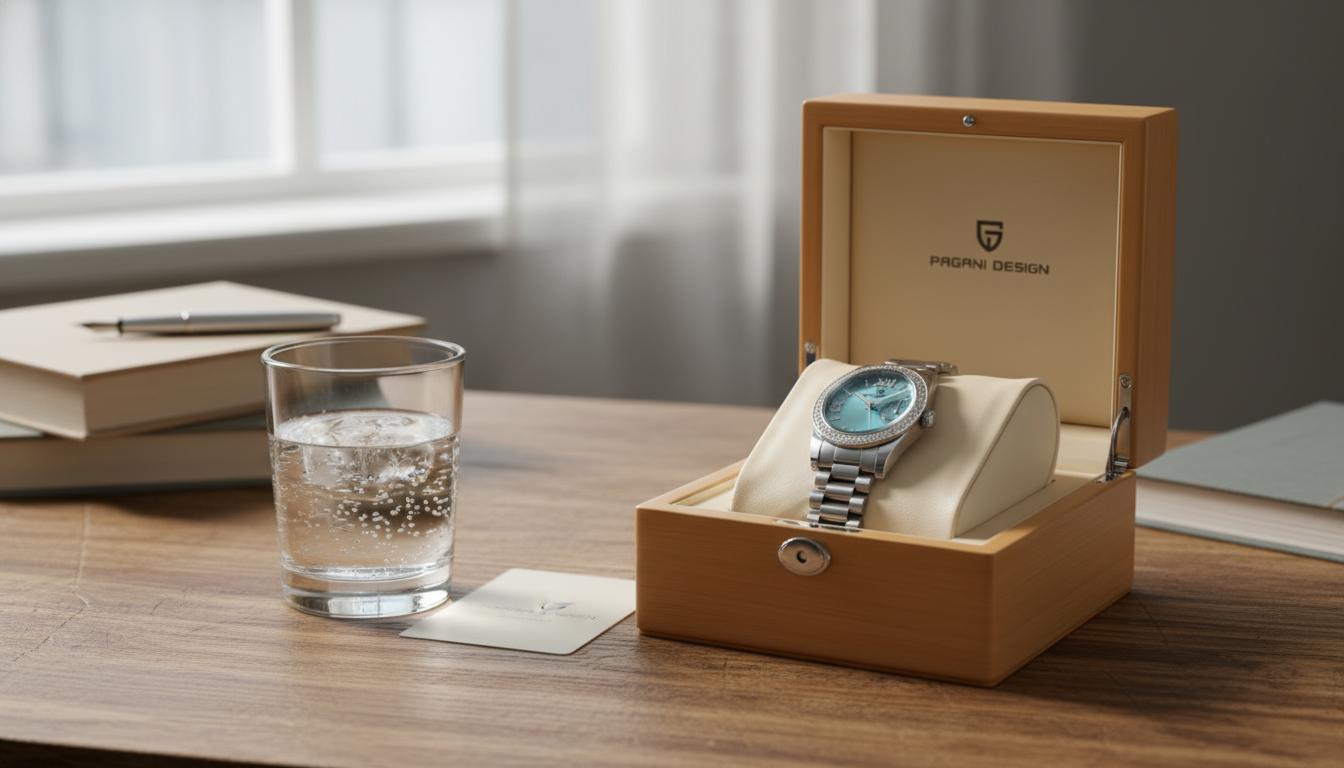
Elegant Women’s Quartz Wristwatch with Sapphire Crystal and Waterproof Build
A refined women’s wristwatch can elevate everyday outfits while staying practical for work, travel, and weekends. A quartz watch with sapphire crystal and a waterproof build is designed to look polished while standing up to real-life wear—busy commutes, desk days, and the occasional splash. Below is what to expect from this combination of features, how each detail affects comfort and durability, and what to check before choosing the right model.
What Makes This Style of Watch Feel Truly Elegant
Elegance usually comes from restraint: clean lines, thoughtful proportions, and finishes that look intentional rather than attention-seeking.
- Slim case and balanced proportions: A thinner case tends to sit closer to the wrist, slipping under sweater cuffs and blazer sleeves without catching.
- Clean, readable dial layout: Minimal clutter helps you read the time instantly, whether you’re in bright sun or a dim restaurant.
- Polished or brushed finishing: Polished edges can look jewelry-like, while brushed surfaces hide micro-scratches better and feel understated.
- Comfort-first strap or bracelet: Smooth edges, a secure clasp, and a well-matched strap width prevent pinching and reduce wrist fatigue during long wear.
- Versatile design language: Neutral tones and classic shapes transition easily from office attire to formal events without looking out of place.
Quartz Timekeeping: Reliable, Low-Maintenance Accuracy
Quartz watches are built for consistency. Instead of relying on a wound mainspring like a mechanical watch, quartz movements use a battery and an electronic oscillator to keep time steadily.
- Steady timekeeping with minimal adjustment: Quartz is known for dependable accuracy in daily use.
- Battery-powered convenience: No daily winding routine is required, which is especially helpful if you rotate between accessories or wear your watch only on certain days.
- Travel-friendly “set it and forget it” routine: When schedules are full, fewer manual resets can be a meaningful quality-of-life upgrade.
- Simple maintenance: Expect periodic battery replacements and, if the watch is worn around water, gasket checks during service.
For a general overview of how batteries power devices, see this reference from Encyclopaedia Britannica.
Sapphire Crystal: Clarity and Scratch Resistance for Daily Wear
The “crystal” is the clear cover over the dial. Sapphire crystal is prized because it resists scratches far better than many standard mineral crystals, helping the watch keep a crisp, new-looking face over time.
- Strong scratch resistance: Sapphire is a hard material, which makes incidental marks from keys, zippers, and desk surfaces less likely to show up.
- Long-term dial clarity: A clearer crystal keeps indices and hands looking sharp, which supports both elegance and readability.
- Impact still matters: While sapphire resists scratches, a hard impact can still chip or crack any crystal—case design and careful wear remain important.
- Easy cleaning: A soft microfiber cloth is usually enough to remove fingerprints, sunscreen residue, and daily smudges.
For background on sapphire’s properties and hardness, consult Encyclopaedia Britannica’s sapphire reference.
Waterproof vs. Water-Resistant: How to Interpret Ratings
Watches are typically described as “water-resistant,” even when marketing language says “waterproof.” The key is the rated level of resistance, often shown in meters (m) or atmospheres (ATM). These ratings reflect pressure in controlled testing, not a promise that a watch can be taken to that depth in every real-world scenario.
- Ratings are guidelines: Movement in water, temperature changes, and aging seals can affect performance.
- Match the rating to your routine: Handwashing and rain are different from lap swimming or snorkeling.
- Seals and crown design do the real work: Intact gaskets, a properly sealed caseback, and a securely closed crown are essential for maintaining resistance.
- Avoid stress on seals: Don’t press buttons underwater, and consider removing the watch for hot showers because heat and steam can stress gaskets.
For formal definitions and test considerations, the international standard ISO 22810: Horology — Water-resistant watches is a helpful reference.
| Rating (typical marking) | Suitable for | Not recommended for |
|---|---|---|
| 30 m / 3 ATM | Splashing, handwashing, light rain | Swimming, showering, water sports |
| 50 m / 5 ATM | Showering (cool), brief surface water exposure | Swimming laps, snorkeling |
| 100 m / 10 ATM | Swimming, surface snorkeling | High-impact water sports without confirmation from the brand |
| 200 m / 20 ATM | Most water sports and frequent swimming | Professional diving unless explicitly rated for it |
Fit, Comfort, and Styling Details That Matter Day to Day
A watch can be made from premium materials and still feel “off” if the sizing or ergonomics aren’t right. These details tend to make the biggest difference in daily wear.
How to Choose the Right Model
Care Tips to Keep It Looking New
FAQ
Is sapphire crystal worth it for an everyday women’s watch?
Yes—sapphire crystal is highly scratch-resistant, which helps the dial stay clear and polished-looking with daily wear. The main tradeoff is that sharp impacts can still chip or crack a crystal, so it’s not indestructible.
Can a waterproof watch be worn in the shower or for swimming?
It depends on the water-resistance rating and conditions: heat and steam in showers can stress seals, even when a watch tolerates splashes. Swimming is typically better suited to 100 m / 10 ATM or higher, while lower ratings are best kept to rain and handwashing.
How often does a quartz watch need servicing?
Most quartz watches need a battery replacement every few years, depending on the movement and features. It’s also smart to have gaskets inspected during battery changes to help preserve water resistance, especially if the watch is used around water.











Leave a comment