

Wooden Kitchen Play Set: Pretend Cooking for Toddlers
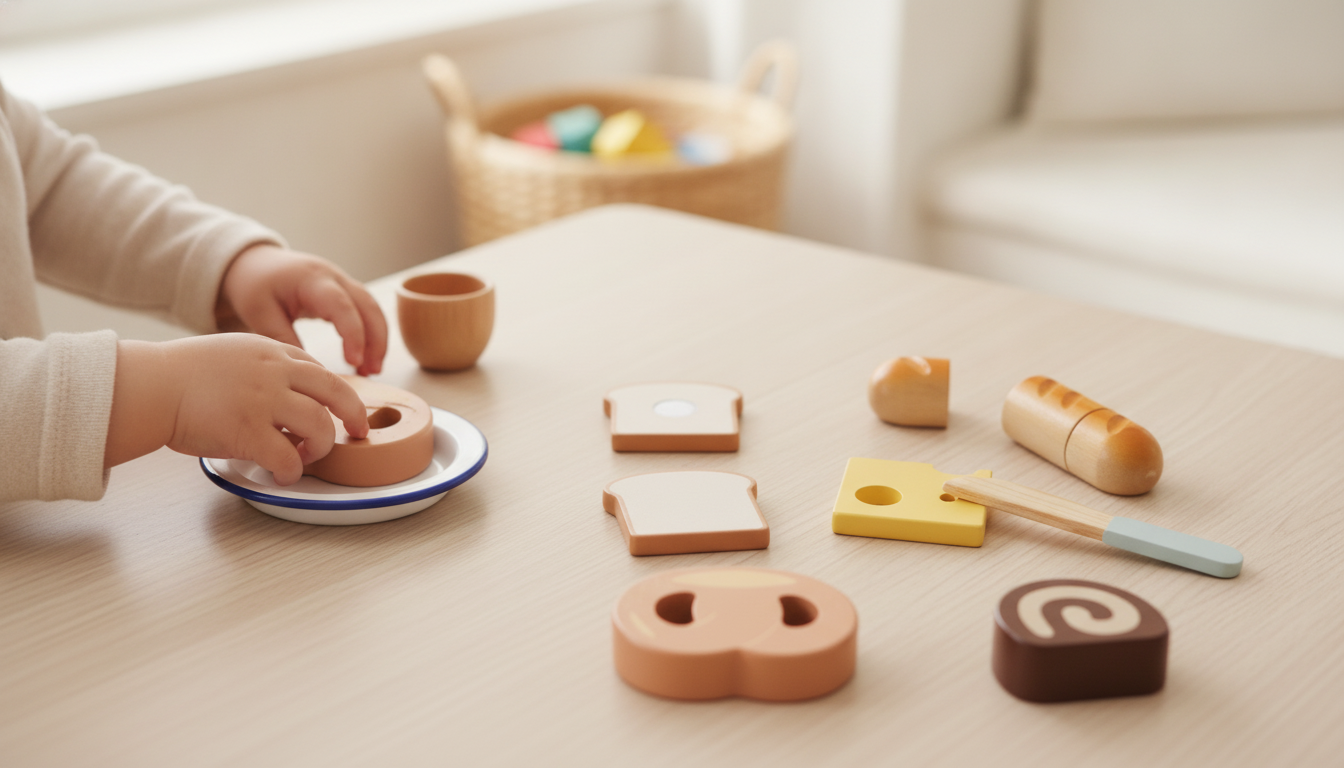
Wooden Kitchen Play Set: Imaginative Pretend Play for Little Chefs
A wooden kitchen play set turns everyday routines into hands-on pretend play—mixing, serving, cleaning, and sharing. With sturdy materials and simple accessories, it supports storytelling, social skills, and fine-motor practice while creating a cozy play corner that can be revisited daily. If you’re setting up a calm, inviting play area, the Wooden Kitchen Play Set is an easy way to introduce “real-life” role play without needing a large footprint. For more guidance, see 8 Best Wooden Play Kitchen Sets For Toddlers and Kids (2020 ….
Play isn’t just entertainment; it’s one of the most natural ways young children explore relationships, routines, and emotions. The American Academy of Pediatrics highlights how play supports healthy development and strong caregiver-child bonds (AAP: The Importance of Play). A pretend kitchen brings that big idea into everyday practice—one “meal” at a time. For further reading, see Backyard Kids Recalls KidKraft Farm to Table Play Kitchens Due to ….
What a Wooden Play Kitchen Encourages
- Pretend-play routines: cooking, serving, grocery shopping, and tidying up—mirroring the start-to-finish rhythm kids see at home.
- Language growth: naming foods, tools, actions, and sequences (first/next/last), plus playful back-and-forth dialogue.
- Social play: taking turns as “chef,” “customer,” or “helper” and practicing polite phrases like “May I take your order?”
- Early math concepts: counting ingredients, sorting pretend foods, and comparing sizes (“Which pot is bigger?”).
- Confidence and independence: role-based tasks and “real-life” imitation can help children feel capable and included.
These skills show up in many milestone checklists because they’re tied to everyday development—communication, coordination, and social connection. For a simple overview of age-typical progress, the CDC’s Act Early milestones are a helpful reference (CDC: Developmental Milestones).
Features to Look For in a Play Kitchen
- Stable construction with smooth edges and child-safe finishes for frequent use.
- Easy-to-grip knobs, doors, and handles that turn or open smoothly (less frustration, more play).
- Realistic pretend elements (sink, stove, oven) that invite open-ended stories.
- Right size and layout for your child’s height and your available floor space.
- Age-appropriate accessories (larger pieces for younger toddlers; more variety for older kids).
Quick Checklist for Choosing the Right Set
| What to check | Why it matters | Simple tip |
|---|---|---|
| Stability | Prevents tipping during active play | Place on a flat surface and avoid clutter around it |
| Moving parts | Builds fine-motor skills and keeps play engaging | Test knobs/doors for smooth motion and no pinch points |
| Material & finish | Durability and easier wipe-down | Choose sealed wood surfaces that can be cleaned gently |
| Accessory size | Reduces frustration and supports safe play | Prefer larger pieces for younger children |
| Storage | Helps keep play area tidy | Look for shelves/hooks or add labeled bins nearby |
Play Ideas That Keep It Fresh
- Restaurant day: create a simple menu with pictures, take “orders,” and serve pretend meals.
- Grocery prep: sort pretend foods by color or category (fruits, vegetables, breakfast items).
- Cleanup routine: practice wiping the counter, putting items away, and “washing” dishes.
- Seasonal themes: hot cocoa stand, picnic prep, soup kitchen, or baking day.
- Story prompts: “A guest is allergic to peanuts—what can the chef make instead?”
To keep the play corner feeling new without buying a lot, rotate just a few items: a “breakfast basket” one week, a “baking tray” the next. Even a homemade notepad for taking orders can become the star accessory.
Safety and Setup Tips
- Keep small accessories out of reach for younger siblings and follow age guidance on included pieces.
- Position the set away from stairs, fireplaces, and heavy traffic paths to reduce bumps and rushed play.
- Check periodically for loose screws or wear on hinges/handles, especially if doors get lots of use.
- Use soft floor padding if the play area is on hard flooring (more comfortable for kneeling and “scrubbing”).
- Model gentle use of doors and knobs to reduce breakage and pinch risks.
A Budget-Friendly Option to Start Pretend Cooking
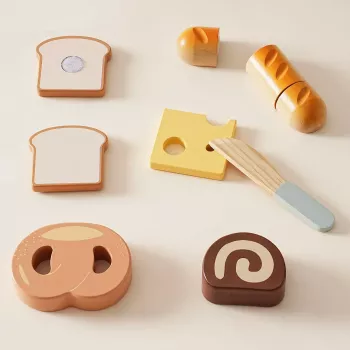
If you’re aiming for a dedicated pretend kitchen space that doesn’t take over the room, the Wooden Kitchen Play Set is a straightforward starting point. It works well as a birthday or holiday gift and creates an inviting “center” for imaginative play—especially when kids are in a phase of copying what they see in the real kitchen.
It also pairs easily with add-ons already at home (always supervised and age-appropriate): wooden spoons, empty clean spice jars with labels removed, or a few pieces of play food. For caregivers building a calm routine around play, a simple planning aid like The Clear-Mind Decision Maker | Printable Mindfulness Checklist for Clarity & Calm Choices can help streamline choices—like what to set out this week and what to rotate out—so the play area stays tidy and inviting.
Care and Cleaning
- Wipe wood surfaces with a soft, lightly damp cloth; dry immediately.
- Avoid soaking or harsh chemicals that can dull finishes over time.
- Store accessories in a small bin or basket to prevent lost pieces and reduce visual clutter.
- Rotate a few pretend foods or utensils every couple of weeks to renew interest without adding more storage needs.
FAQ
Why is kitchen play important for toddlers?
Pretend kitchen routines build language (naming foods and actions), fine-motor control (grasping, turning, opening), and social-emotional skills like sharing and turn-taking. A simple example is “making breakfast” together: your toddler can choose pretend food, “cook” it, serve it, and then practice cleaning up in a clear first-next-last sequence.
Is a play kitchen Montessori?
A play kitchen can align with Montessori-style values when it supports child-led, open-ended activity and practical-life imitation. Choosing realistic, simple tools and keeping the space orderly (with a place for everything) helps children play independently without relying on flashy, overstimulating features.












Leave a comment