

Play Kitchen Learning Outcomes: Skills Kids Build
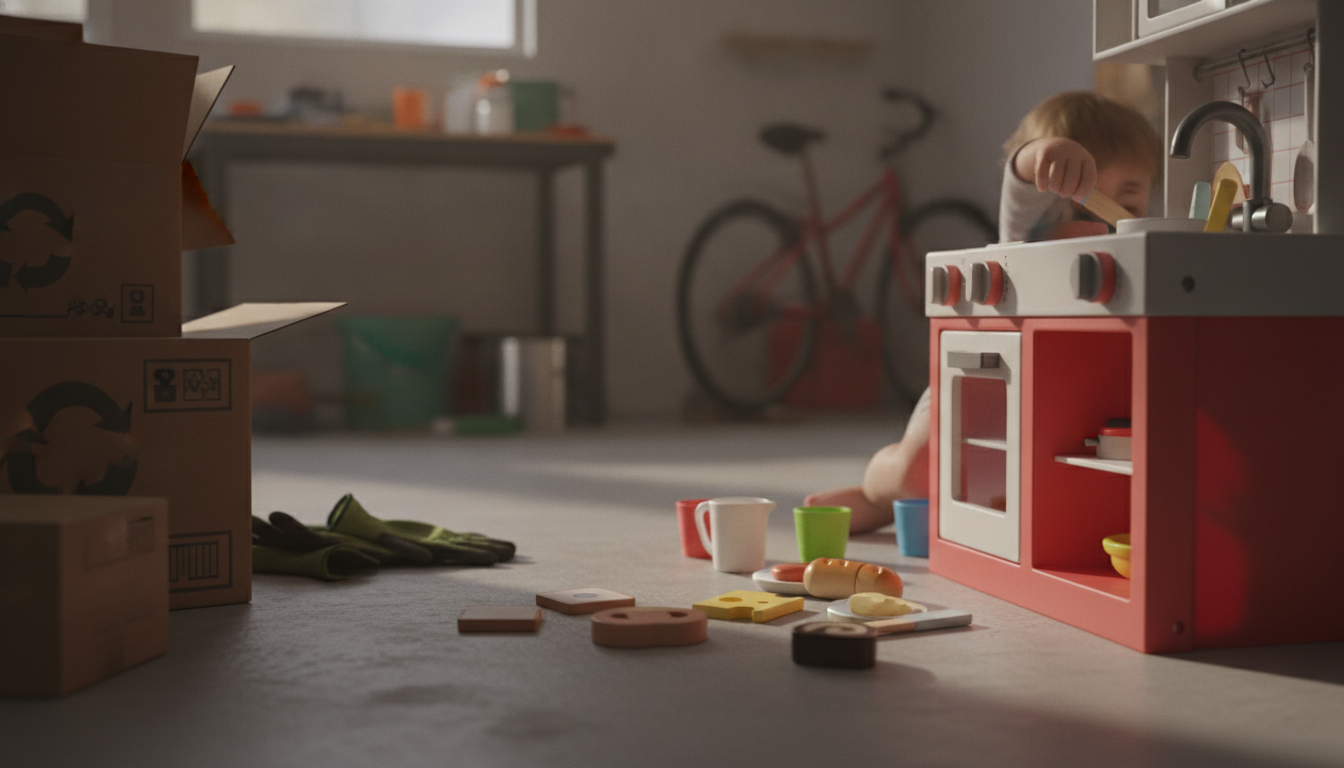
What are the learning outcomes of play kitchen?
A play kitchen builds a wide mix of early skills because it combines hands-on practice, imagination, and social play in one familiar setting. When kids “cook,” “serve,” and “clean up,” they rehearse real-life routines while also experimenting with roles, language, and problem-solving.
1) Language and communication
Pretend cooking naturally prompts conversation: taking “orders,” naming foods, and narrating steps (“First we chop, then we stir”). Kids practice new vocabulary, sequencing words, and polite social phrases like “please,” “thank you,” and “your turn.”
2) Social-emotional growth
A kitchen set supports cooperative play—sharing tools, negotiating roles (chef, customer, helper), and handling small conflicts. It also helps children explore empathy by “feeding” dolls, siblings, or parents and noticing preferences (“Do you want more soup?”).
3) Cognitive skills and early math concepts
Play kitchens encourage planning and flexible thinking: deciding what to make, locating items, and adapting when a “recipe” changes mid-game. Kids also touch early math by sorting foods, comparing sizes, counting plates, and dividing pretend portions.
4) Fine motor development and coordination
Opening doors, turning knobs, stacking dishes, using pretend utensils, and placing food pieces all strengthen small hand muscles and hand-eye coordination. These motions support later skills like writing, buttoning, and using real utensils.
5) Independence and practical life routines
Kitchen play gives children a safe way to practice everyday habits—setting a table, putting items away, and “washing” dishes. Repeating these routines builds confidence and a sense of responsibility.
Choosing a set that supports learning
Features like reachable shelves, realistic accessories, and sturdy construction can make the play feel more purposeful and easier to sustain. For a deeper look at what to consider—materials, accessories, and age-appropriate details—visit this wooden kitchen play set guide.
FAQ
What age is best for a play kitchen?
Many children start enjoying simple pretend kitchen play around 18–24 months with larger, easy-to-hold pieces, and interest often grows through preschool and beyond. Choose a set with stable construction and age-appropriate accessories for safety and longer play value.












Leave a comment