

Smart Toilet Upgrades: Auto Open, Auto Flush, Bidet
Smart Toilet Upgrades That Actually Change the Routine
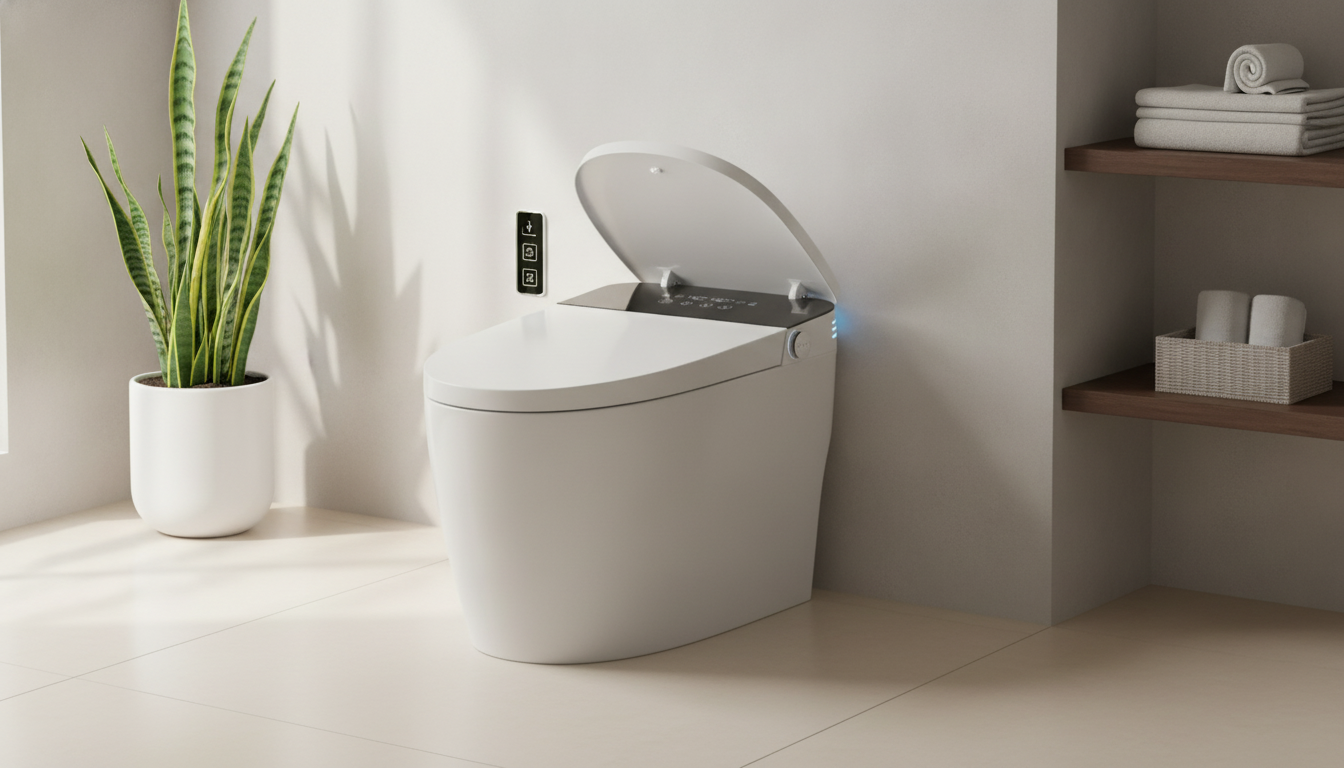
A smart toilet that opens when you approach, cleans with an integrated bidet, warms the seat, and flushes automatically can make the bathroom feel noticeably cleaner and more comfortable—especially when multiple people share the space. The biggest difference isn’t novelty; it’s reducing touch points, improving consistency (no missed flushes), and making daily use quieter and more convenient.
Modern designs also tend to use streamlined, easy-wipe surfaces. That matters for long-term upkeep, since fewer seams and tight gaps can mean less scrubbing and fewer places for grime to hide.
What Makes a Smart Toilet Feel “Smart” in Daily Use
- Auto open/close: Motion sensing can lift the lid as you approach and close it after use, cutting down on touching handles and lids.
- Automatic flushing: Many units flush when you walk away, which helps keep the bowl fresher and reduces “did someone forget?” moments.
- Heated seat: Adjustable warmth makes late-night visits and winter mornings far less jarring.
- Integrated bidet functions: Rear and front wash modes often include adjustable water pressure, nozzle position, and warm water for comfort.
- Intelligent controls: Side panels or remotes typically manage temperature, spray settings, and (when included) drying.
- Night lighting and deodorization (when available): Helpful for low-light navigation and odor control without relying on heavy aerosols.
- One-piece, integrated design: A smoother exterior can make routine wipe-downs faster than multi-piece setups.
Key Features and What to Check Before Ordering
Smart toilets add comfort, but they also add a few “must confirm” details that can prevent installation headaches.
Feature checklist: comfort, hygiene, and practical fit
| Feature | Why it matters | What to confirm |
|---|---|---|
| Auto open/close lid | Reduces touch points and keeps hands cleaner | Sensor range, manual override, soft-close behavior |
| Auto flush | Helps prevent missed flushes and lingering odors | Trigger method, reliability, flush options |
| Heated seat | Comfort in cold rooms and at night | Temperature levels, warm-up time, energy-saving mode |
| Bidet wash (rear/front) | Improves hygiene and reduces toilet paper use | Pressure steps, spray position adjustment, self-cleaning nozzle |
| Warm water | More comfortable cleansing | Instant vs tank, stable temperature at longer use |
| Dryer (if included) | Less paper needed and cleaner finish | Air temp levels, drying effectiveness |
| Deodorization (if included) | Keeps bathroom fresher without aerosols | Auto start/stop, filter replacement needs |
| Night light (if included) | Safer navigation in low light | Brightness, auto on/off behavior |
| Sizing and rough-in | Avoids costly installation surprises | Rough-in distance, bowl height, seat opening size |
- Power requirements: Confirm a nearby GFCI outlet and ensure the cord can reach without an extension cord.
- Rough-in size and fit: Measure from the finished wall to the center of the floor drain (commonly 12 inches, but verify).
- Seat and nozzle adjustability: Look for multiple temperature levels and spray positions so different users can stay comfortable.
- Water heating method: Instant (tankless) systems tend to maintain warm water longer during extended use, while stored warm water designs can be simpler.
- Flush type and performance: Aim for consistent waste removal while staying efficient. For a quick primer on high-efficiency toilet standards, see EPA WaterSense — Toilets.
- Noise level: Motors and flush systems vary; quieter modes and soft-close behavior can be valuable in nighttime bathrooms.
- Safety and support: Overheating protection, leak protection, and a strong warranty can matter more than an extra niche feature.
Comfort and Hygiene Benefits for Different Households
- Busy families: Auto flush plus easier wipe-down surfaces can keep the bathroom more sanitary with less daily effort.
- Shared bathrooms: Adjustable wash and seat settings reduce friction when preferences differ.
- Older adults and mobility needs: Fewer touch points and built-in cleansing can support independence and comfort.
- Allergies and sensitive skin: Gentle cleansing may reduce irritation caused by frequent heavy wiping.
- Cold-weather regions: Heated seats and warm water upgrades can feel like a real quality-of-life improvement.
For general hygiene guidance at home—especially around handwashing and reducing germ spread—review CDC — Hygiene in the Home and Everyday Life.
Installation and Bathroom Readiness
Daily Care, Cleaning, and Long-Term Maintenance
To reduce ongoing energy use, prioritize eco modes, timers, and intelligent power-saving settings; broader home efficiency tips are available at U.S. Department of Energy — Energy Saver.
Common Tradeoffs and How to Decide
Product Spotlight: Smart Toilet with Auto Open and Flush, Heated Seat, Bidet, and Intelligent Features
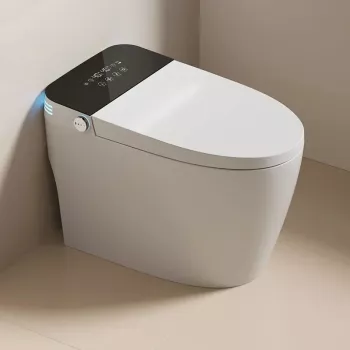
If a touch-free routine is the goal, Smart Toilet with Auto Open and Flush, Heated Seat, Bidet, and Intelligent Features is designed for hands-free convenience paired with everyday comfort.
Helpful add-ons (in stock)
- Calvin Klein Men’s Pochette & Grooming Bag for keeping toiletries organized in shared bathrooms or guest setups.
- The Clear-Mind Decision Maker | Printable Mindfulness Checklist for Clarity & Calm Choices if remodeling decisions (fixtures, layouts, budgets) start to feel overwhelming.
FAQ
Does an auto open/auto flush toilet work reliably with pets or kids?
Most models rely on motion sensors, so curious pets or kids can occasionally trigger the lid or flush if they move close enough. If sensitivity settings or a manual override are available, using a shorter sensor range (or disabling auto-open during certain hours) can reduce false triggers.
What electrical setup is needed for a smart toilet with a heated seat and bidet?
A nearby GFCI outlet is typically required, and extension cords should be avoided in bathrooms. It’s also important to confirm the circuit can handle the added load; if the outlet location or capacity is uncertain, an electrician can help verify safe setup.
How often does a smart toilet bidet need cleaning or descaling?
Wipe the exterior routinely and use built-in nozzle self-clean cycles as directed. In hard-water areas, descaling usually needs to happen more often, and any included filters or deodorizers should be replaced on the manufacturer’s schedule to keep performance consistent.











Leave a comment