

Chainsaw Mill Alternatives: 5 Better Ways to Mill Logs
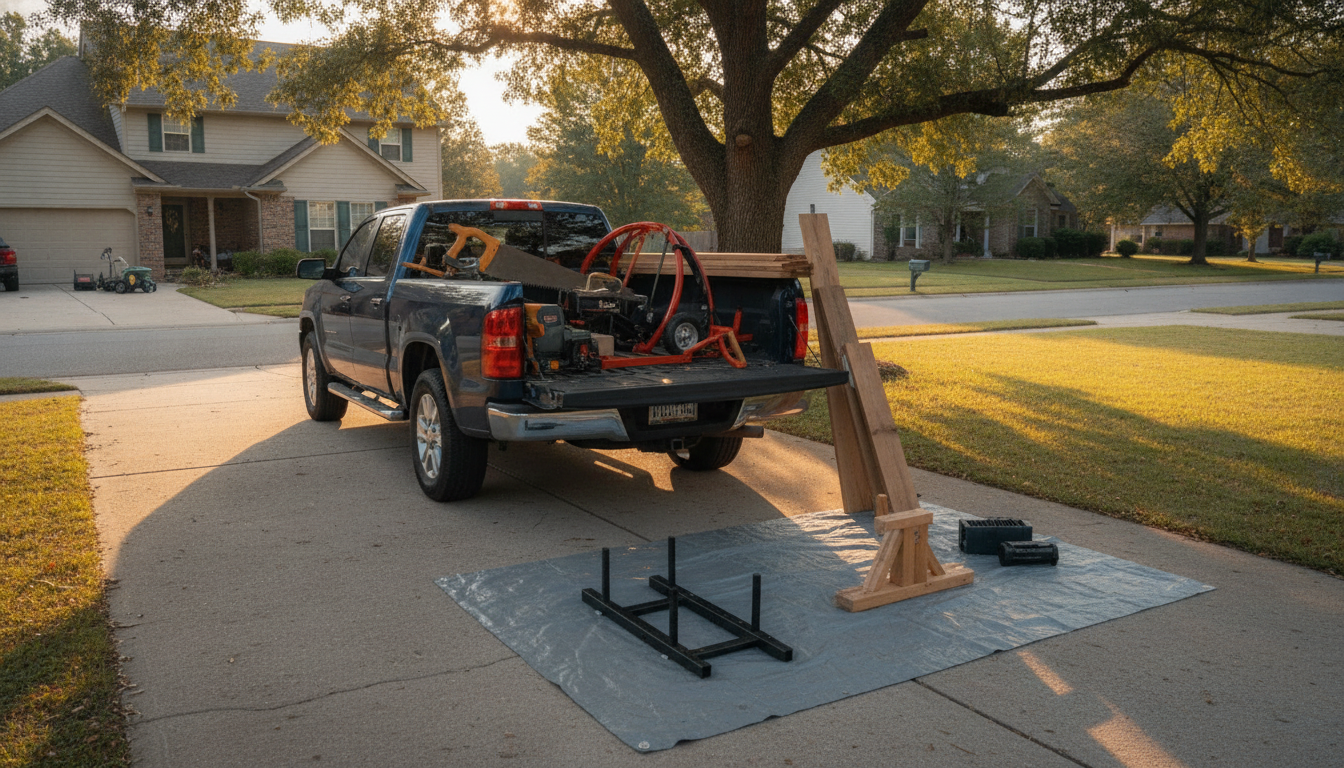
What are the alternatives to chainsaw mills?
If a chainsaw mill feels too slow, too noisy, or too hard to keep perfectly straight, there are several practical ways to turn logs into usable lumber without one. The best alternative depends on how many boards you need, your budget, and whether you’re working in a backyard, a jobsite, or deep in the woods.
Portable band sawmills
A portable band sawmill is the closest “same job, better finish” option. The thin kerf blade wastes less wood than a chainsaw, runs smoother, and typically leaves flatter boards with less planing later. Many models also make it easier to repeat thickness accurately, which matters if you’re building furniture or matching siding.
Swing-blade sawmills
Swing-blade mills use a circular blade that pivots to cut both horizontal and vertical passes. They’re popular for breaking down big logs efficiently and can handle wide slabs by cutting in sections. This is a strong choice when you want faster production than a chainsaw mill but still need a setup that can travel to the log pile.
Dedicated slabber attachments (non-mill setups)
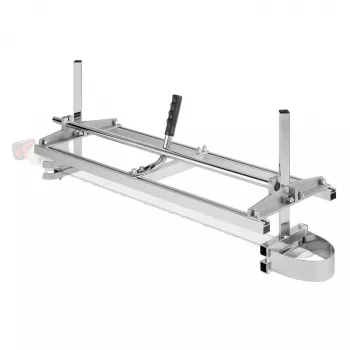
If the main goal is occasional slab cutting, some setups use a bar-and-rail guide system with a powerhead but skip the full “mill carriage” approach. This can reduce complexity while still improving straightness over freehand cutting. For a deeper look at rail-and-guide approaches, see this portable chainsaw mill guide.
Log-to-lumber services and community mills
For one-off projects, hiring a mobile sawyer or using a community mill can be the most cost-effective alternative. You get professional-grade results without buying equipment, and you can often choose specific cutting patterns (plain sawn vs. quarter sawn) to reduce warping or highlight grain.
Hand-tool and small-shop options
When you only need beams or short stock, a hewing axe, adze, and hand saw can work—slowly, but with minimal gear. In a small shop, a bandsaw plus a planer won’t replace a mill for full logs, but it can refine pre-cut cant pieces into accurate boards.
FAQ
What should you look for when choosing a portable sawmill?
Match the mill’s maximum log diameter and cut width to the trees you actually have, then prioritize consistent thickness adjustment and rigid track support. Also consider blade availability and how easily you can transport and level the setup on uneven ground.











Leave a comment