

Kitchen Role Play Benefits: Skills Kids Learn Through Pretend Cooking
What are the benefits of kitchen role play?
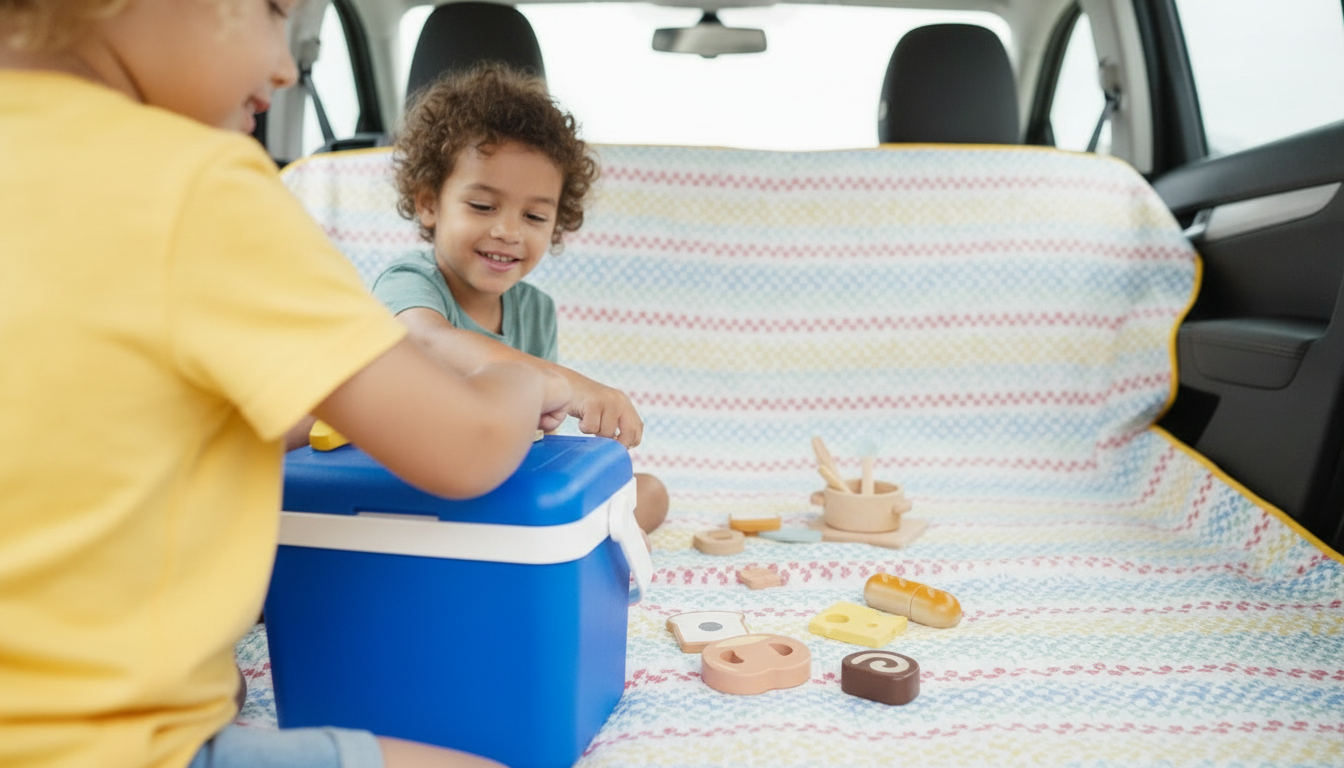
Kitchen role play turns everyday pretend cooking into a powerful learning activity. When kids “shop” for food, “prep” ingredients, and “serve” meals, they’re practicing real-world routines in a fun, low-pressure way—often for longer stretches than with many other toys.
Builds language and communication skills
A pretend kitchen naturally sparks conversation: taking “orders,” naming foods, describing flavors, and narrating steps (“first we stir, then we bake”). Kids also practice polite, back-and-forth social language like greetings, turn-taking phrases, and asking questions.
Strengthens social-emotional development
Role play helps children understand feelings and relationships. They get to be the “helper,” the “host,” or the “chef,” which encourages empathy and cooperative play. Acting out routines can also help kids process daily experiences, from family dinners to grocery trips.
Supports early math and thinking skills
Pretend cooking includes counting pieces of play food, sorting by color or type, comparing “more” and “less,” and following simple sequences (mix, pour, serve). Kids also experiment with cause-and-effect—like what happens when they “combine” ingredients or change roles mid-game.
Improves fine motor skills and coordination
Turning knobs, opening doors, stacking dishes, and using play utensils all involve small hand movements that support dexterity and hand-eye coordination. These skills connect to everyday tasks like dressing, drawing, and using real utensils.
Encourages independence and confidence
In a play kitchen, children get to make decisions: what to cook, who to serve, and how to organize their “workspace.” Successfully completing a pretend meal (even a silly one) can boost confidence and a sense of capability.
For ideas on choosing features that keep pretend cooking engaging as kids grow, visit this guide to wooden kitchen play sets for toddlers.
FAQ
What age is a play kitchen best for?
Many children start enjoying simple pretend kitchen play around ages 2–3, with more imaginative, cooperative play often expanding through preschool and beyond. Look for sturdy, easy-to-use parts for younger toddlers and more accessories as kids get older.












Leave a comment