

Why Kitchen Play Helps Toddlers Learn and Grow
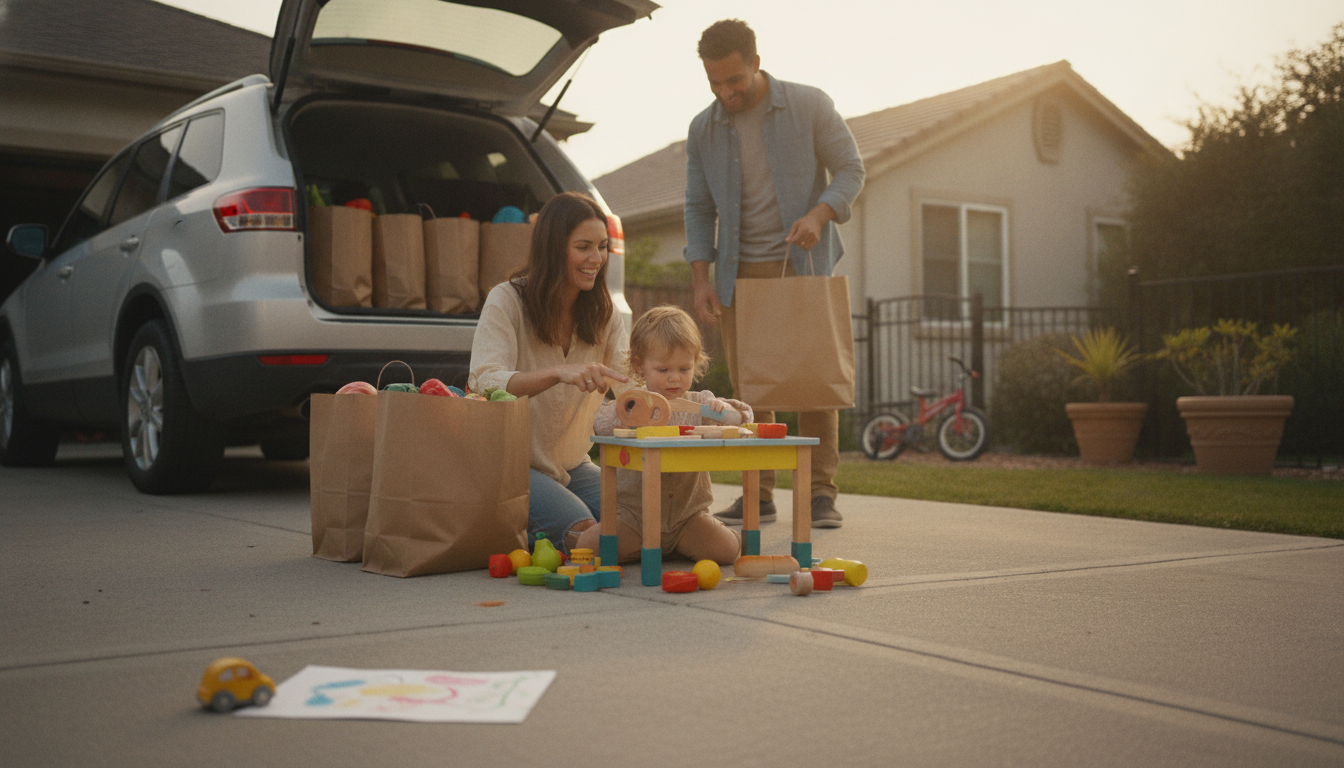
Why is kitchen play important for toddlers?
Kitchen play matters because it turns everyday routines—stirring, serving, washing, shopping—into hands-on practice for the skills toddlers are building right now. A play kitchen gives them a safe, repeatable space to explore cause and effect (pouring, scooping, stacking), build language through pretend conversations, and try out simple sequences like “first cook, then eat, then clean up.”
It supports early language and social skills
Pretend cooking naturally invites storytelling: toddlers name foods, describe actions (“hot,” “mix,” “more”), and copy phrases they hear at home. When playing with a sibling or caregiver, they practice taking turns, making requests, and responding—skills that show up later in group play and preschool routines.
It builds fine motor control and coordination
Kitchen toys are packed with small, purposeful movements: twisting knobs, opening doors, fitting lids, cutting pretend foods with Velcro, or lining up plates. These actions strengthen finger muscles and hand-eye coordination, which also support tasks like using utensils, drawing, and buttoning clothes.
It encourages thinking skills and independence
Toddlers love being “in charge.” A play kitchen lets them plan and problem-solve without pressure: deciding what to “make,” organizing items, and remembering steps. They also begin to understand real-world concepts like sorting, matching, and categories (fruits vs. veggies, big pot vs. small pan).
It offers a calming, confidence-building routine
Because kitchen play mirrors daily life, it can feel comforting—especially for toddlers who thrive on repetition. Completing a pretend task from start to finish helps them feel capable, and that confidence often carries into real-life helping behaviors like wiping a table or putting toys away.
For ideas on choosing a set and making pretend cooking more engaging, see the full guide here: wooden kitchen play set pretend cooking for toddlers.
FAQ
What are the benefits of kitchen role play?
It strengthens communication, cooperation, and creativity while letting toddlers practice everyday routines in a low-stakes way. Role play also builds confidence as they “run” their own little kitchen.
What are the learning outcomes of play kitchen?
Common outcomes include improved fine motor skills, richer vocabulary, stronger sequencing and memory, and early math concepts like sorting and counting. Toddlers also learn social rules such as sharing and turn-taking.
Does a toddler need a play kitchen?
It’s not required, but it’s a high-value toy for open-ended pretend play that grows with your child. If your toddler enjoys copying cooking or serving, a play kitchen can keep them engaged for longer stretches.












Leave a comment